
In Illinois, winter used to do some quiet but important work for farmers.
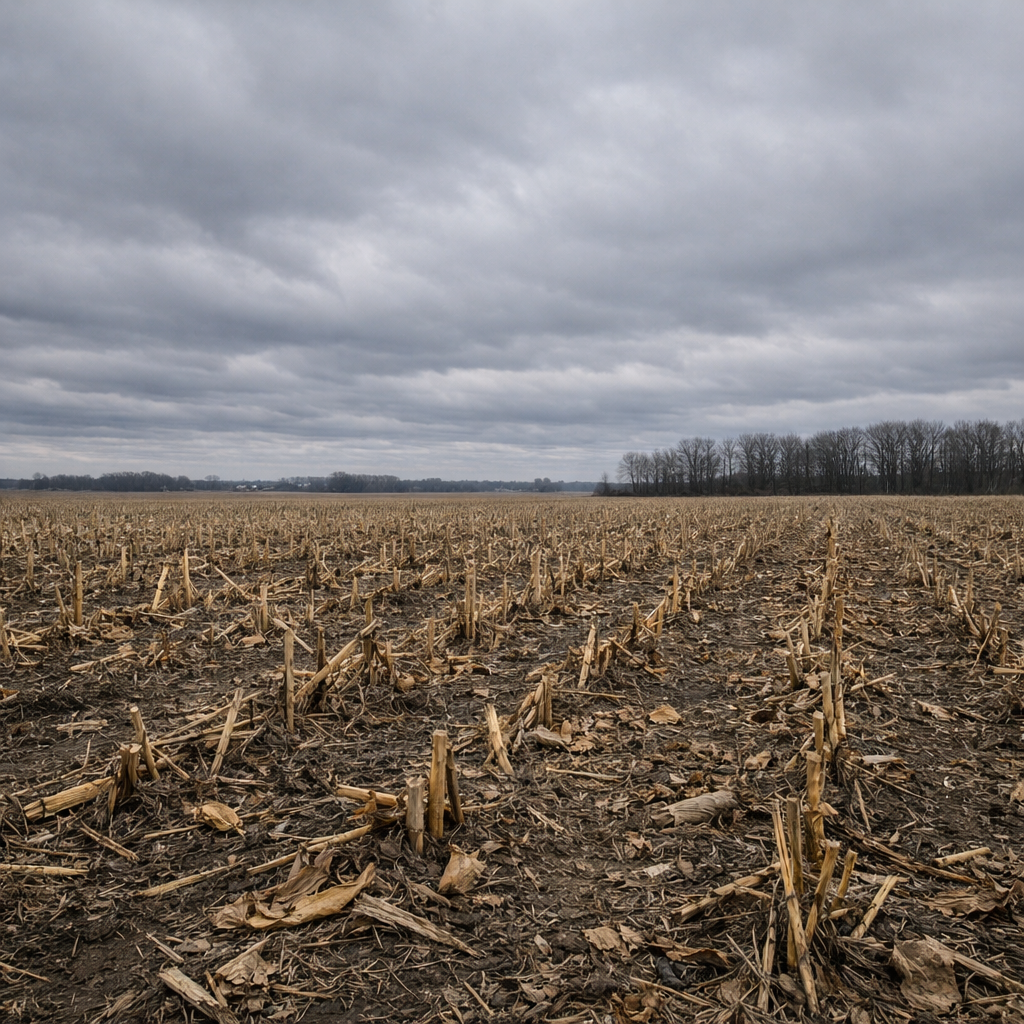
A good stretch of cold weather would freeze the ground a foot or two deep—sometimes more in northern and central Illinois. That deep frost helped knock back insects, slow plant diseases, and even improve soil conditions before spring planting.
Lately, though, winters haven’t been doing that job as well. And corn and soybean farmers are noticing.
The frost line, or how deep the ground freezes, matters more than most people realize. When winters are cold and steady, many crop pests don’t survive. Diseases that live in leftover crop residue get a natural check. The soil itself benefits from freezing and thawing, which helps break up compaction.
With warmer winters, the frost line doesn’t reach as deep—or sometimes doesn’t last very long at all. Snow cover can also insulate the ground, keeping soils from freezing much. The result is that more insects make it through the winter and show up earlier in the spring.
That means pests like corn rootworm, soybean aphids, and bean leaf beetles can become a bigger problem. Farmers often have to spend more time scouting fields and more money on insect control just to stay ahead of them.
Milder winters also make it easier for crop diseases to stick around. Corn and soybean diseases can survive in crop residue left in the field after harvest. A deep freeze helps break that residue down. When winters are warm, it hangs around longer, giving diseases a head start when crops are young and most vulnerable.

Soil conditions are part of the story, too. In a colder winter, freezing and thawing helps loosen soil and reduce compaction from heavy equipment. Without that deep frost, fields can stay wetter longer in the spring. That can delay planting or push farmers to work fields before they’re ready, which can hurt root growth and yields later on.
Weeds are another headache. Some winter weeds that used to get wiped out by cold are now surviving and popping up earlier in the season. That often means extra herbicide passes and more management decisions.
None of this shows up as a single big disaster. Instead, it shows up in small ways—higher input costs, more uncertainty, tighter margins. Warmer winters might be easier on snow shovels, but they make farming more complicated.
Illinois farmers are adapting, using better genetics and adjusting how they manage pests and fields. But adapting costs money, and farming already runs on thin margins.
As winters continue to warm, the frost line is becoming less reliable. And for corn and soybean growers, that loss of winter cold means losing one of the natural tools they’ve depended on for generations.