
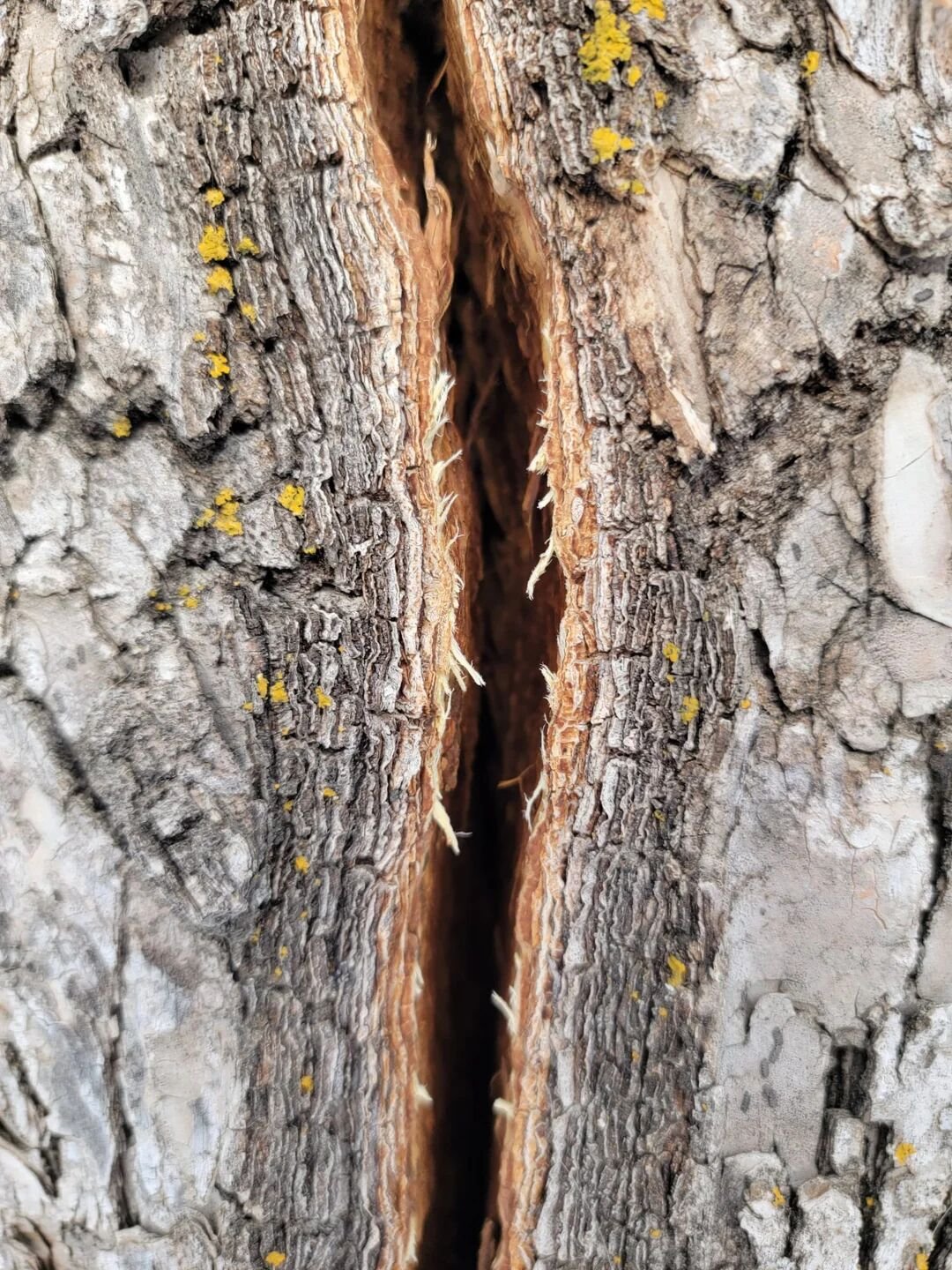
When Arctic air settles in and temperatures plunge well below zero, reports of “exploding trees” tend to follow. Residents may hear a sharp crack in the night or wake to find a split running up a tree trunk. While dramatic, the phrase is misleading.
Trees do not actually explode in extreme cold. What occurs is a rapid structural failure, not a blast. As temperatures drop quickly, moisture inside a tree freezes and expands. That expansion creates intense internal stress, particularly between the tree’s frozen outer layers and its still-cooling interior.
When the stress becomes too great, the wood fractures suddenly. The resulting sound can be loud—sometimes resembling a gunshot—but it is simply the noise of wood fibers tearing apart. There is no combustion, no outward force, and no debris being thrown, all of which would be expected in a true explosion.
The damage itself also tells the story. Instead of shattered pieces scattered around the area, affected trees usually show long, vertical cracks along the trunk, a phenomenon known as frost cracking or freeze splitting. Certain species, including maples and oaks, are more prone to this kind of damage, especially after rapid temperature swings.
What can a homeowner do if they notice large cracks in one of their trees after extreme winter weather?
Experts say the first step is to assess safety. If a split tree is leaning or located near a home, sidewalk, driveway, or power lines, it may pose a hazard and should be treated as a priority. Trees weakened by cold-related splitting are more vulnerable to wind, ice, and future storms.
Homeowners are advised to wait for milder weather before taking action, if conditions allow. Extremely cold temperatures can make wood brittle, increasing the risk of further damage during inspection or pruning.
Once conditions improve, the tree should be examined for the severity of the split. Shallow surface cracks may heal over time, particularly in healthy trees. Deep fractures that expose inner wood or run much of the trunk, however, often indicate structural damage that cannot be reversed.
Arborists caution against sealing or filling cracks with paint, tar, or other materials. While once common, this practice can trap moisture and encourage decay, making the problem worse rather than better.

In most cases, homeowners should consult a certified arborist. A professional evaluation can determine whether the tree can recover with monitoring or pruning, or whether removal is the safest option. Factors such as tree species, age, location, and extent of damage all play a role in that decision.
If a damaged tree is left standing, experts recommend ongoing monitoring over the next several seasons. Signs of decline, fungal growth, or widening cracks may indicate the tree is failing and should be removed.
While a tree splitting during extreme cold is not always a death sentence, it is a clear warning sign. Addressing the issue promptly—and with professional guidance—can help homeowners protect both their property and public safety.