
By Claudia Loucks
Geneseo Current
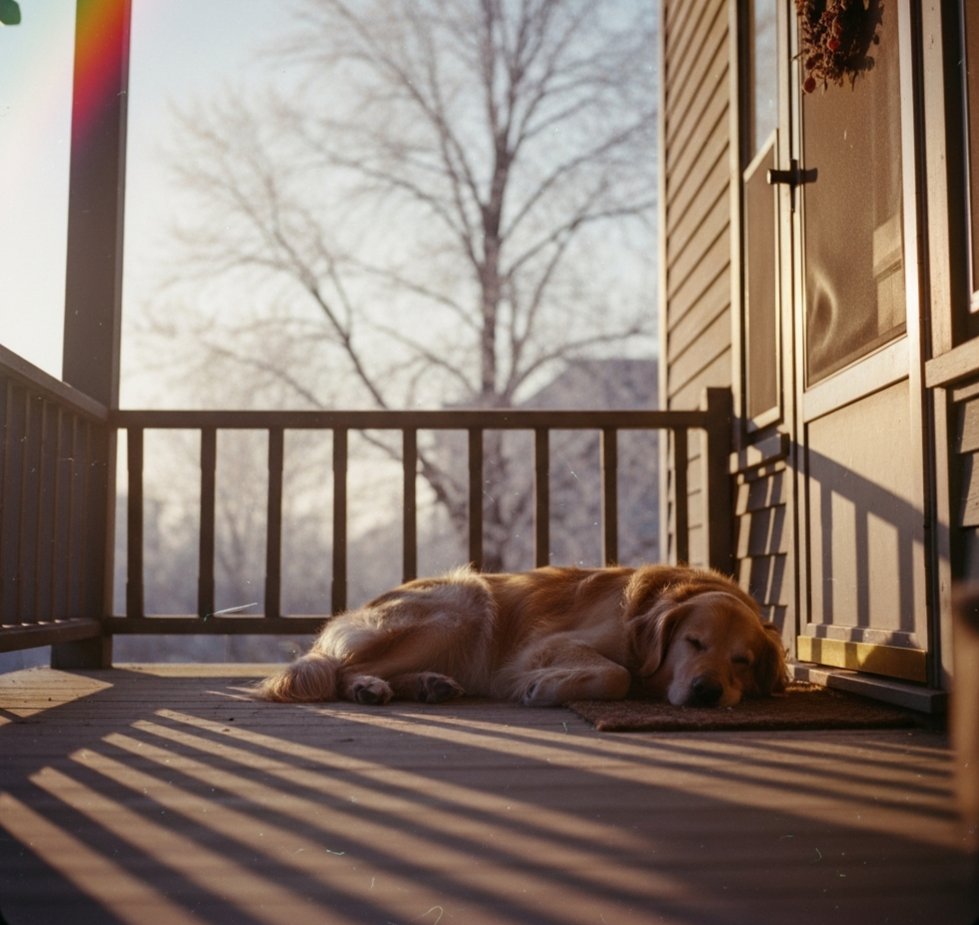
Pets need special care in cold weather, just as they do in hot weather. Winter weather and frigid temperatures have arrived, along with snow and ice and pet owners are advised to take special care of their domestic friends.
Kim Park who serves on the Board of Directors of the Henry County Humane Society – Geneseo, and Linda VanDerLeest, board president, shared some tips for keeping pets safe during cold weather, and both advise bringing pets indoors, but said if pets cannot be inside the home, even a garage, shed or barn will provide some protection.
VanDerLeest said, “Ensure your animals have a warm, dry sleeping area. For outdoor animals, provide insulated, windproof, and dry shelters with ample bedding, ensuring constant access to non-frozen water. “
“If the pet cannot be inside, provide an enclosure outside such as a dog or cat house,” Park said. “In the absence of an enclosure, a storage tub turned on its side with a hole cut into the lid can be used.”
For bedding, Park recommended cedar chips or straw, and she said, “Do not use blankets or towels because if they get wet, they will freeze. The shelter should be big enough for the animal to stand up and turn around, but small enough to retain the animal’s body heat…Make sure the opening of the enclosure is not facing into the wind and use caution when using heating devices so as not to cause a fire.”
It is also recommended that pets be given a little extra food during colder temperatures as the extra calories help the animal to better regulate their body temperature.

VanDerLeest cautioned drivers to take time to warm up their vehicle and “make some noise before driving away, especially if your vehicle is not in a garage…Make certain there are no animals under the hood of the vehicle. A warm vehicle engine can be an appealing heat source for outdoor and feral cats, but it can also be deadly.”
Park also cautioned about the danger of pets ingesting antifreeze due to the “sweet” taste of the chemical, and she said, ‘Clean up antifreeze spills immediately.”
In regard to salt and ice melt, Park explained that those are irritating to pets’ paws and bellies if ingested. “Keep walks very short, and when returning from walks, wipe the pet’s paws with a slightly damp towel to remove salt and snow, and then dry the paws. If pets will tolerate, it is best to use pet booties.”

She said pet owners should watch for signs of distress from the pet when outside, such as lifting paws or wanting to lay down so as not to stand on paws…”Shorter haired animals benefit from dog/cat coats or sweaters to help retain their body warmth,” Park added.
VanDerLeest advised pet owners to frequently check their dog’s paws for signs of cold-weather injury or damage, such as cracked or bleeding paw pads. “During a walk, sudden lameness may be due to an injury or may be due to ice accumulation between his/her toes. Pet owners may be able to reduce the chance of ice ball accumulation by clipping the hair between their dog’s toes.”
“The Henry County Humane Society – Geneseo, is committed to helping the community, including educating and answering questions,” Park said. “If anyone has questions regarding how to care for their pet during weather extremes, please call us at 309-944-4868 and we will be happy to answer any questions and offer suggestions to keep your pet safe and happy.”