by Sarah DeMaranville
Geneseo Current
City government makes decisions that affect everyday life — from streets, utilities, and development to public safety, zoning, parks, and how public dollars are spent. And while social media has made it easier than ever to discuss those decisions, a Facebook post or comment doesn't necessarily mean your concern has reached the people who can do something about it.
If you want your voice to be part of the process, make sure it reaches the right people. That might mean contacting your aldermen, speaking during public comment, participating in a public hearing or survey, reaching out to the appropriate city department, or simply asking a question while an issue is still being considered.
Residents don't have to wait until Election Day — or until after a decision has been made — to have a voice. There are several ways to follow what's happening at City Hall, ask questions, and provide input while decisions are being made.
Here's how to get involved.
Start with a City Council meeting
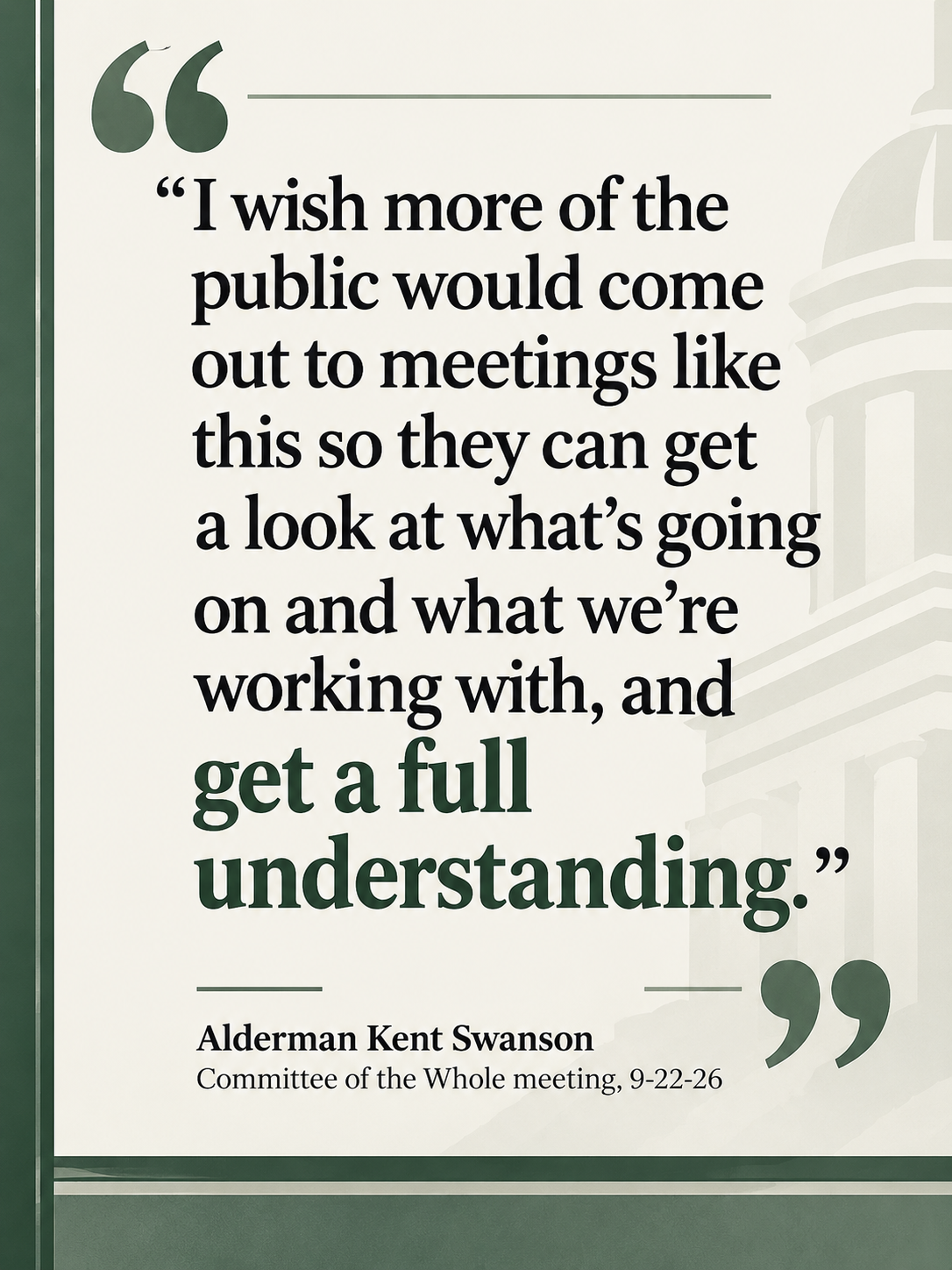
One of the simplest ways to get involved is to attend a meeting.
Geneseo's regular City Council meetings are held on the second Tuesday of each month at 6 p.m. The City Council includes Mayor Sean Johnson and eight aldermen representing four wards.
You don't need to understand every item on the agenda before attending. Sitting through a few meetings can be one of the quickest ways to learn how city government works.
Many issues also develop over time. A proposal may first come before the council for discussion, return with additional information or cost estimates, and eventually come up for a vote. Following that process provides context that may not be apparent from the final decision alone.
Read the agenda
Meeting agendas and supporting materials allow residents to see what's coming before the council before a meeting begins.
That's especially useful when the city is considering a construction project, ordinance change, utility issue or major expenditure. Rather than learning about a decision after it's made, residents can follow an issue while it's still being discussed.
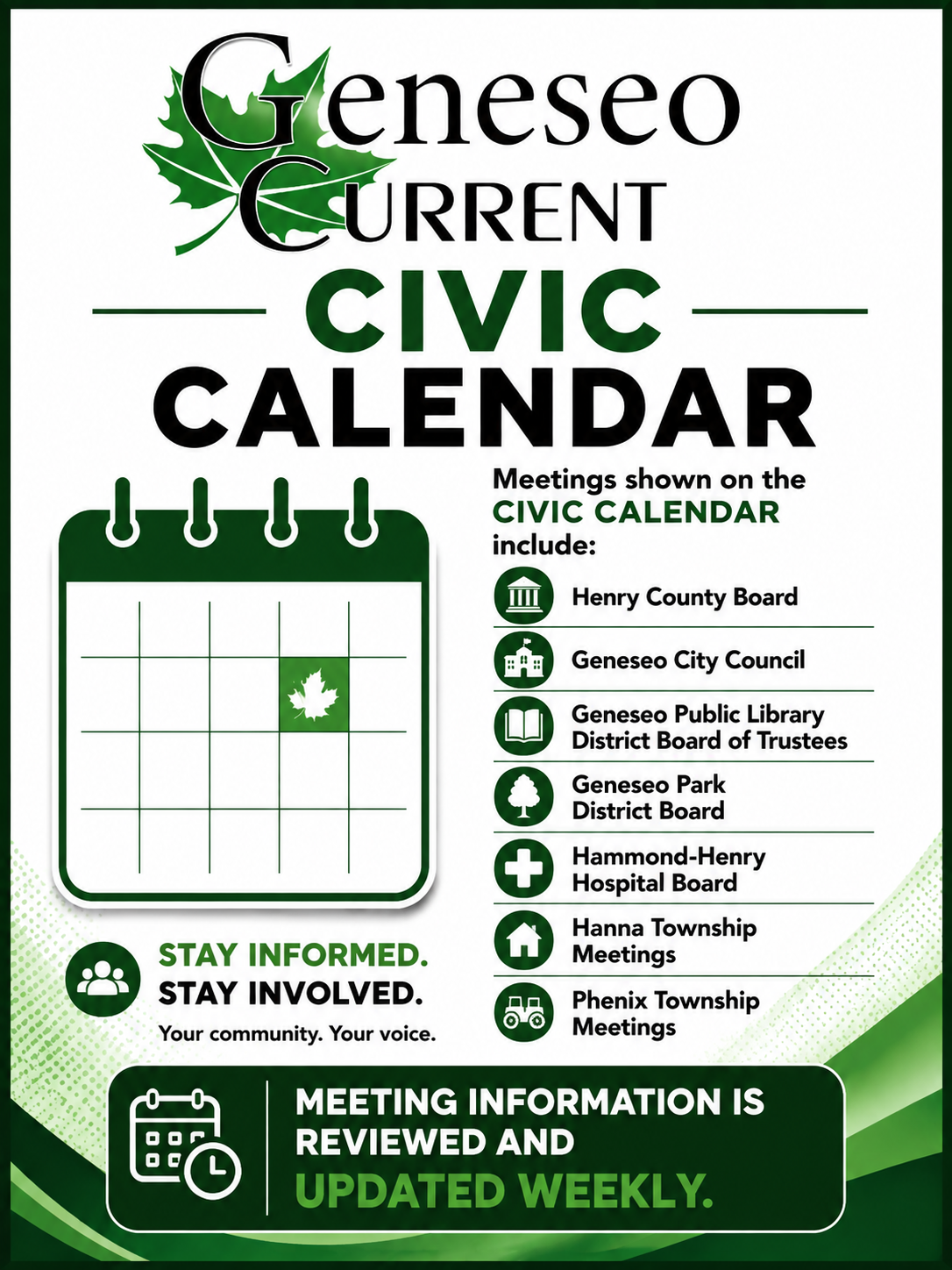
The city's calendar also provides information about upcoming meetings and events.
Speak during public comment
Residents can address the City Council during opportunities for public comment.
Comments don't have to be lengthy. Identify the issue, explain why it matters to you and clearly state what you'd like the council to consider.
And don't wait for an issue to become controversial. If something matters to you, following it and communicating with city officials while it's still being considered can be more useful than speaking up after a final decision has been made.
Contact your aldermen
Geneseo has two aldermen representing each of its four wards, and the city publishes their contact information.
Residents can contact their representatives directly with questions, concerns or ideas.
If you aren't sure who handles a particular issue, City Hall can help point you in the right direction. The city's website also provides contact information for the mayor, city administrator, city clerk and departments including finance, public works, electric and police.
Residents can also submit general questions through the city's online contact form or call City Hall at 309-944-6419.
Ask questions
Participating in city government doesn't require standing at a microphone.
Residents can contact an alderman, City Hall or the appropriate department directly. Sometimes getting involved starts with a simple question: Why are we doing this?
Residents can also submit broadly relevant city questions through The Geneseo Current's Ask Geneseo initiative, which takes community questions to city officials and shares the answers with the public.
You don't have to be an expert
Getting involved doesn't mean attending every meeting, understanding every municipal document or agreeing with every decision.
Follow the issues that matter to you. Read the agenda. Ask questions. Contact your representatives. Participate when the city asks for public input.
Most importantly, if you have a concern, make sure it reaches someone who has the ability to address it.
Local government provides opportunities for residents to participate. The first step is using them.