
Geneseo FFA Chapter Attends the 97th National FFA Convention in Indianapolis, Indiana

By Dawsyn McDonald
Geneseo High School FFA

From October 22 to the 25th, 11 members of the Geneseo FFA chapter traveled to Indianapolis to attend the 97th National FFA Convention. Throughout the week, the attendees were able to participate in numerous events and opportunities and were also recognized for multiple awards. On the first day, they toured Hummel Livestock where they learned about the breeding and care of savannah cats, met exotic pets, and heard about the breeding processes of high-level cattle and goats. Later that evening, they enjoyed a delicious meal at St. Elmo's Steakhouse to finish the day.

The attendees began the second day of the trip with a tour of Hunter's Honey Farm where they had the opportunity to taste different variations of honey, bottle their own honey, and learn about the honey-making process. After lunch, the group traveled to the convention center. Here they could shop at the numerous vendors or learn about the opportunities for college and future jobs in the Expo Center's Career Fair. Then, the members attended the opening session of the convention which featured keynote speaker Kevin Wanzer. To end the day, the group was able to attend the Megan Moroney concert at Gainbridge Fieldhouse. 

Submitted Photo

On the third day of the National FFA Convention, the Geneseo FFA Marketing Plan team, consisting of Joseph Venneberg, Austin Pearce, and Ayden Kane, competed in the National contest, where they advanced to the semifinals and ended with a silver ranking! While the team competed, the rest of the members in attendance enjoyed workshops and some free time in the convention center. In the workshops, they were able to meet new people from across the country, grow their own leadership and communication skills, and learn about all of the opportunities that the FFA and the agriculture industry hold for them. The Geneseo FFA Chapter was then recognized at the fourth general session for being ranked as a Three Star Chapter! To end this eventful day, the Marketing Plan Team attended an award ceremony while the other attendees watched a hypnotist show. 

For the final day of the convention, the Geneseo FFA chapter volunteered through the National FFA Living to Serve Day at St Vincent's. Here they helped to sort clothes into sizes, hang up clothes for sale, move decorations, and organize the items. After their morning of service, the group stopped at Culver's for lunch before heading home! The 97th National FFA Convention was a wonderful experience for all in attendance!

Corn Sweat?

By Curt Jacobs
Geneseo Current

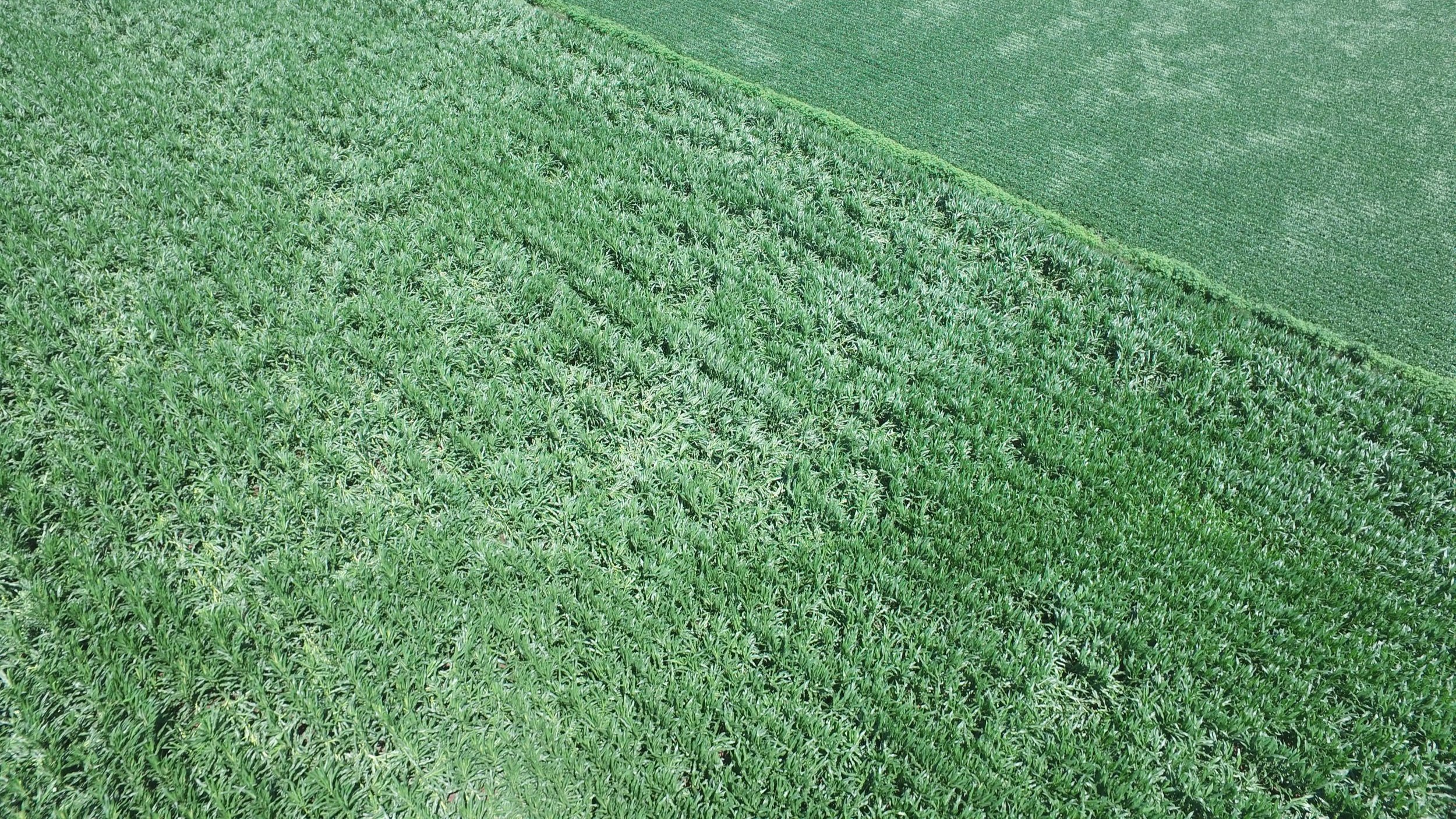
If you have spent some time on social media recently or you have watched your local news you have most likely heard about corn sweat, but what is it?  Corn sweat refers to the process of evapotranspiration, where corn plants release moisture into the atmosphere. This occurs when the plants absorb water from the soil through their roots, which is then transported to their leaves. Tiny pores on the leaves, called stomata, open during the day to allow carbon dioxide in for photosynthesis while simultaneously releasing water vapor into the air. 

Why does this happen? This process helps cool the plant, similar to how sweating cools humans. The plants need to regulate their temperature to survive. 

While the term "corn sweat" is popular, it's important to note that all plants undergo evapotranspiration, not just corn. Some research suggests that soybeans may contribute even more moisture than corn in certain cases.

Corn sweat is a natural process that plays a significant role in local weather patterns, particularly in the Midwest. While it can make summer heat feel more oppressive, it's also a sign of healthy, growing crops.

How much water is given off by a corn plant? Let's do some math and give it some real numbers. On average a plant can give up 3 - 4  cups of water per day.  Lets just use 3 cups per day, 1 acre and 34,000 plants per acre.
That 1 acre would give off approximately 6,375 gallons of water. That is from an acre of corn or about 1 football field of area.  An 80 acre field could give off just over 500,000 gallons of water a day. That’s enough water to fill one Olympic swimming pool.

Derecho's Affect All of Us - By Curt Jacobs

By Curt Jacobs
Correspondent

Until recently, the term derecho was new to most of us.  The National Weather Service gives the description of a Derecho as a widespread, long-lived wind storm. Derechos are associated with bands of rapidly moving showers or thunderstorms. They have some additional requirements including  a swath of wind damage that extends at least 400 miles,and is at least 60 miles  wide, includes wind gusts of at least 58 mph along most of its length, and also includes several, well-separated 75 mph or greater gusts. The majority of  these storms are found in North America.

The first of these storms to be identified as a derecho was documented in 1877. It traveled from South Dakota to Ohio. Derechos on average occur once every 2 years in Iowa and on average once per year in Illinois. The storm that crossed Iowa, Illinois, Missouri, and Indiana generated hundreds of wind damage reports. Those reports ranged from tree, powerline, structural and crop damages, along with several confirmed tornadoes. In parts of southern Illinois and southern Indiana they were hit twice. Once from the remnants of hurricane Beryl and also the derecho.   

Photo by Curt Jacobs

Several types of crop diseases can be the result of a derecho. Physical damage can range from broken off plants to wind damaged leaves. These leaves become susceptible to fungal pathogens such as leaf blights and could lead to root rot.  Soil erosion and wind can carry spores of pathogens into new areas and create new infections of plants. The timing of the storm can greatly affect the crop, especially during the pollination of corn leading to poor pollination and reduced crops. These are just some of the possible outcomes from a major storm event. 

The derecho in August of 2020 damaged approximately 14 million acres of crops. Total economic losses to agriculture were estimated at $3.8 Billion. It is too soon to estimate the damage that this storm has caused.  It will take months to realize all the damage that has happened.  If you see someone that is cleaning up storm damage, take some time and help out if you are able too. You never know when you may be the next person that needs a little extra help.