On a recent day outside the classroom, local high school students traded desks and devices for gloves, boots, and hard work—joining a hands-on conservation effort through Living Lands & Waters, a nationally recognized environmental nonprofit focused on river cleanup and land restoration.
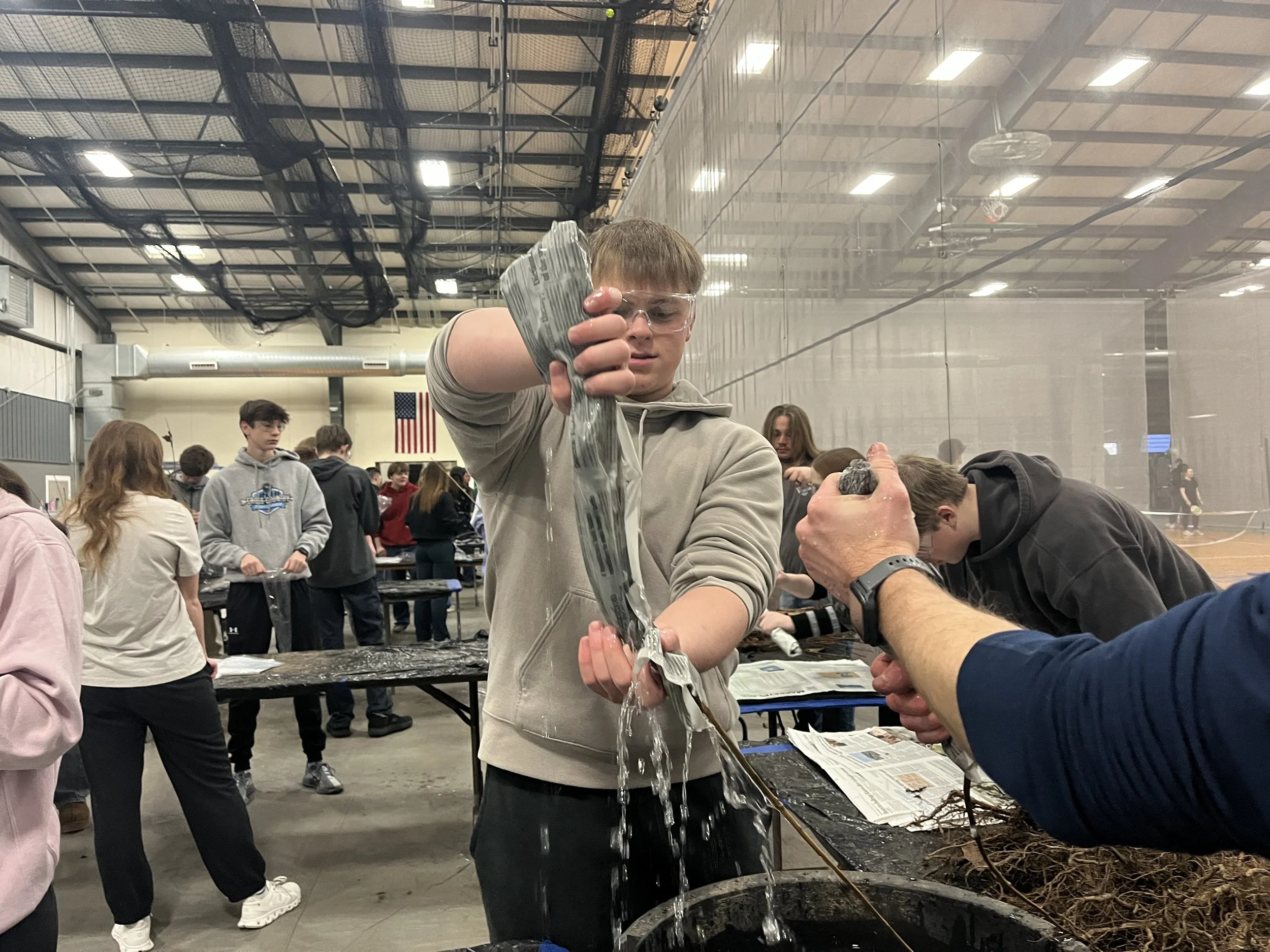
The experience offered more than a change of scenery. For many students, it was a first opportunity to see firsthand how environmental stewardship translates into real-world impact. Working alongside project leaders, students helped remove debris, restore natural areas, and learn how human activity directly affects waterways and surrounding land.
“These trees will ship to 25 different states east of the Rocky Mountains,” said Matt Deets, science teacher at Geneseo High School. He said students were preparing 7,600 trees over a two-day period.
Living Lands & Waters is known for engaging volunteers of all ages in conservation work, and the high school participants quickly discovered that the job requires teamwork, persistence, and problem-solving. Tasks were physical and sometimes challenging, but students remained engaged throughout the day—motivated by a shared sense of purpose and the visible results of their efforts.
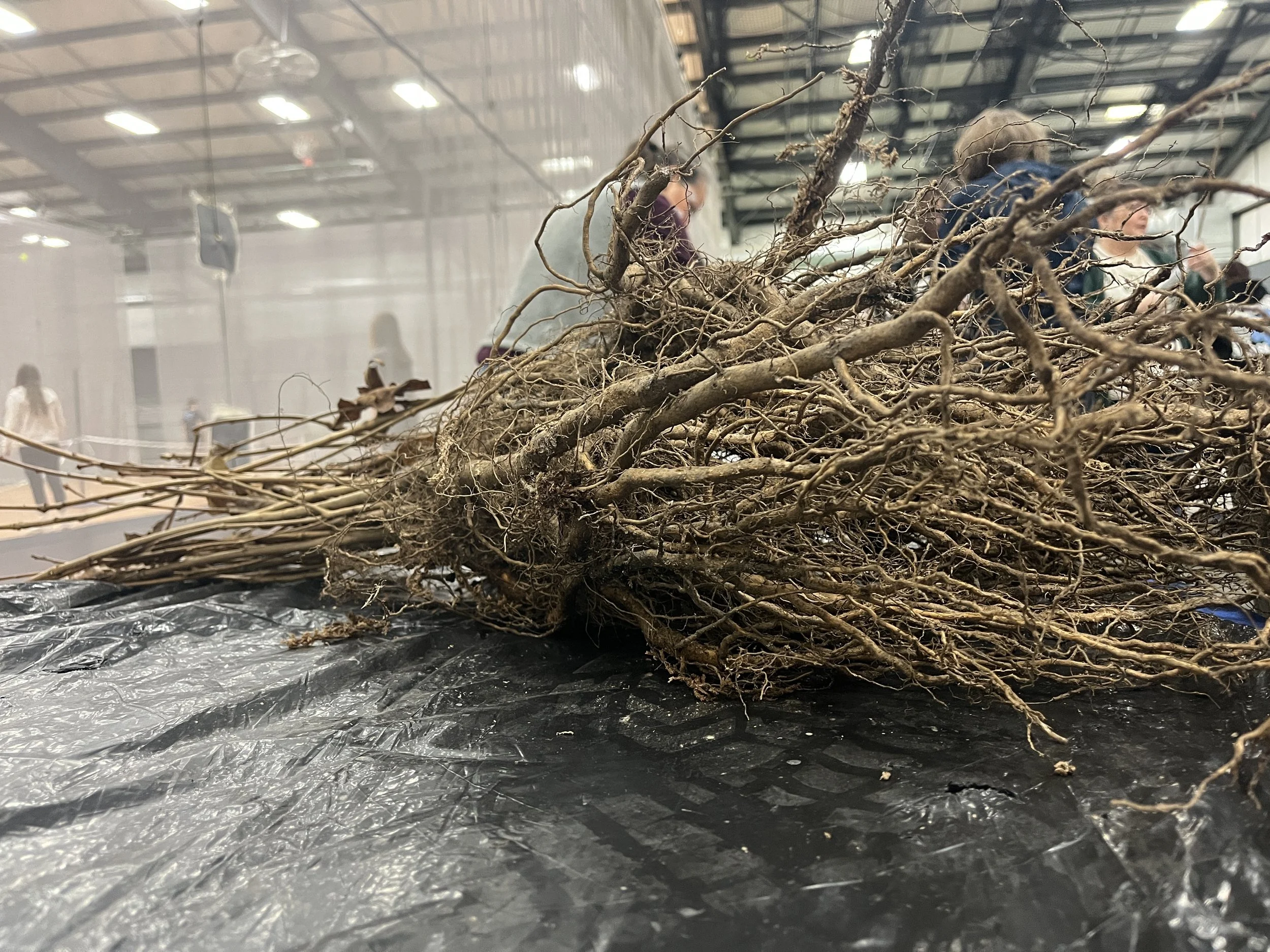
Dan Breidenstein, vice president of Living Lands & Waters, said, “We buy 175,000 trees and ship them to the Quad Cities. We keep them in climate-controlled trailers between 37 and 42 degrees from early January until distribution in April.”
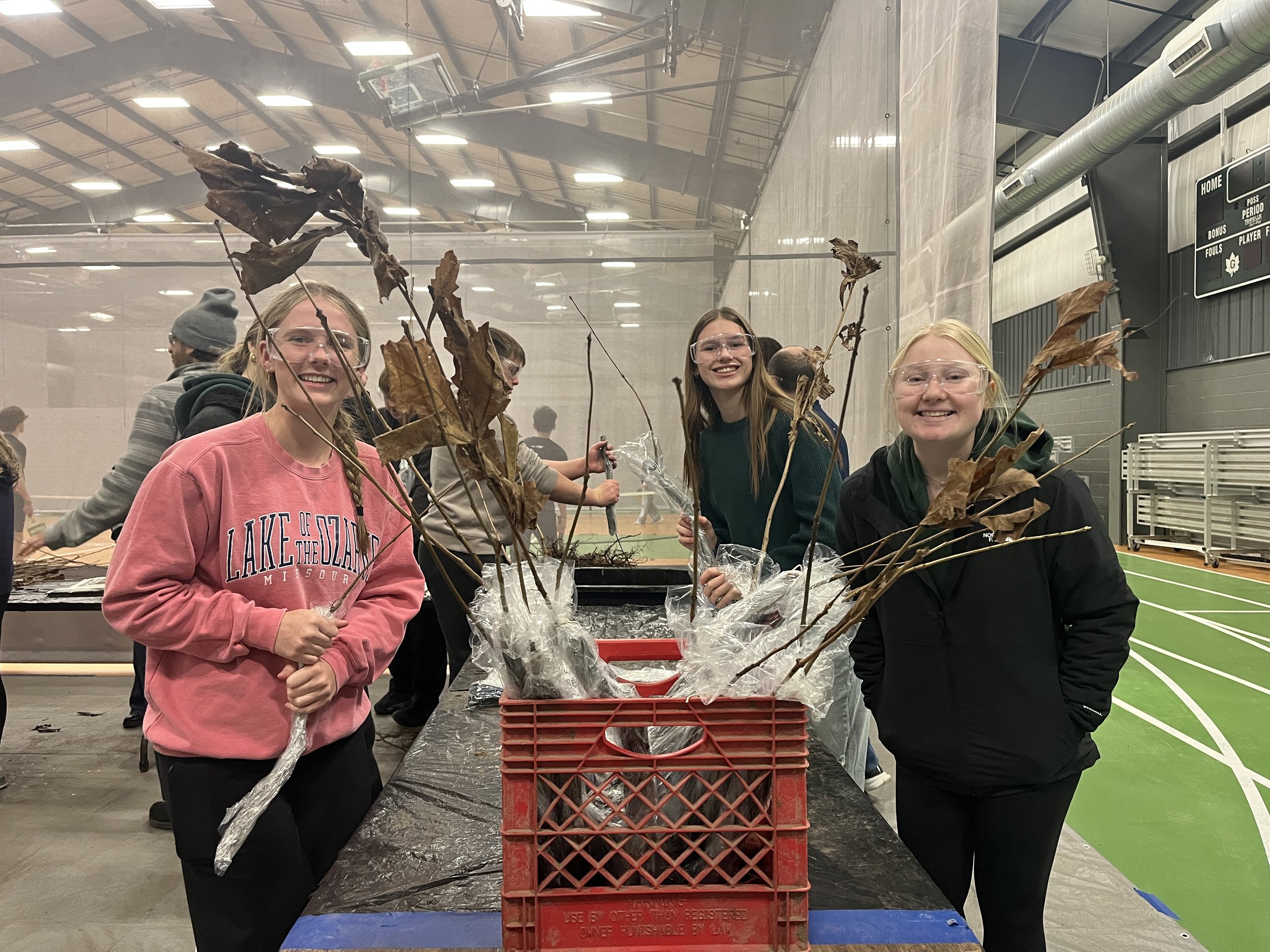
Educators involved in the project emphasized the value of experiential learning. Environmental issues can feel abstract in textbooks, they noted, but standing on the land and contributing to its care makes the lesson tangible. Students were able to connect classroom concepts—such as ecosystems, pollution, and sustainability—to the work happening right in front of them.
For the students, the day prompted reflection as well as action. Several remarked on how much debris can accumulate unnoticed and how easily small actions add up over time. Others said the project changed how they view their role in protecting natural resources, not just locally, but beyond their own community.
Beyond environmental education, the project reinforced civic responsibility. Living Lands & Waters’ model relies heavily on volunteer involvement, demonstrating how collective effort can lead to meaningful change. Students saw that conservation isn’t reserved for experts or professionals—it’s something communities can take part in together.
Dan Breidenstein also said, “We sometimes cause inadvertent erosion when we remove refrigerators, tires, and barrels from the shoreline. Replacing them with native trees not only removes pollution but also helps stabilize the waterway.”
As the project wrapped up, the results were visible in cleared land and cleaner spaces. But the longer-lasting impact may be less obvious: a group of young people leaving with a stronger understanding of environmental responsibility and the knowledge that their work mattered.
For these students, participation in the Living Lands & Waters project wasn’t just a school activity—it was a reminder that stewardship starts with showing up, lending a hand, and taking ownership of the places we share.