
The Scoop: February School Board Meeting Recap

By Sarah DeMaranville

At its February meeting, the Geneseo Board of Education reviewed the district’s Winter 2026 Data Progress Report, a Behavioral Interventions Committee summary, and the Superintendent’s monthly report. See all reports here.

Academic Data
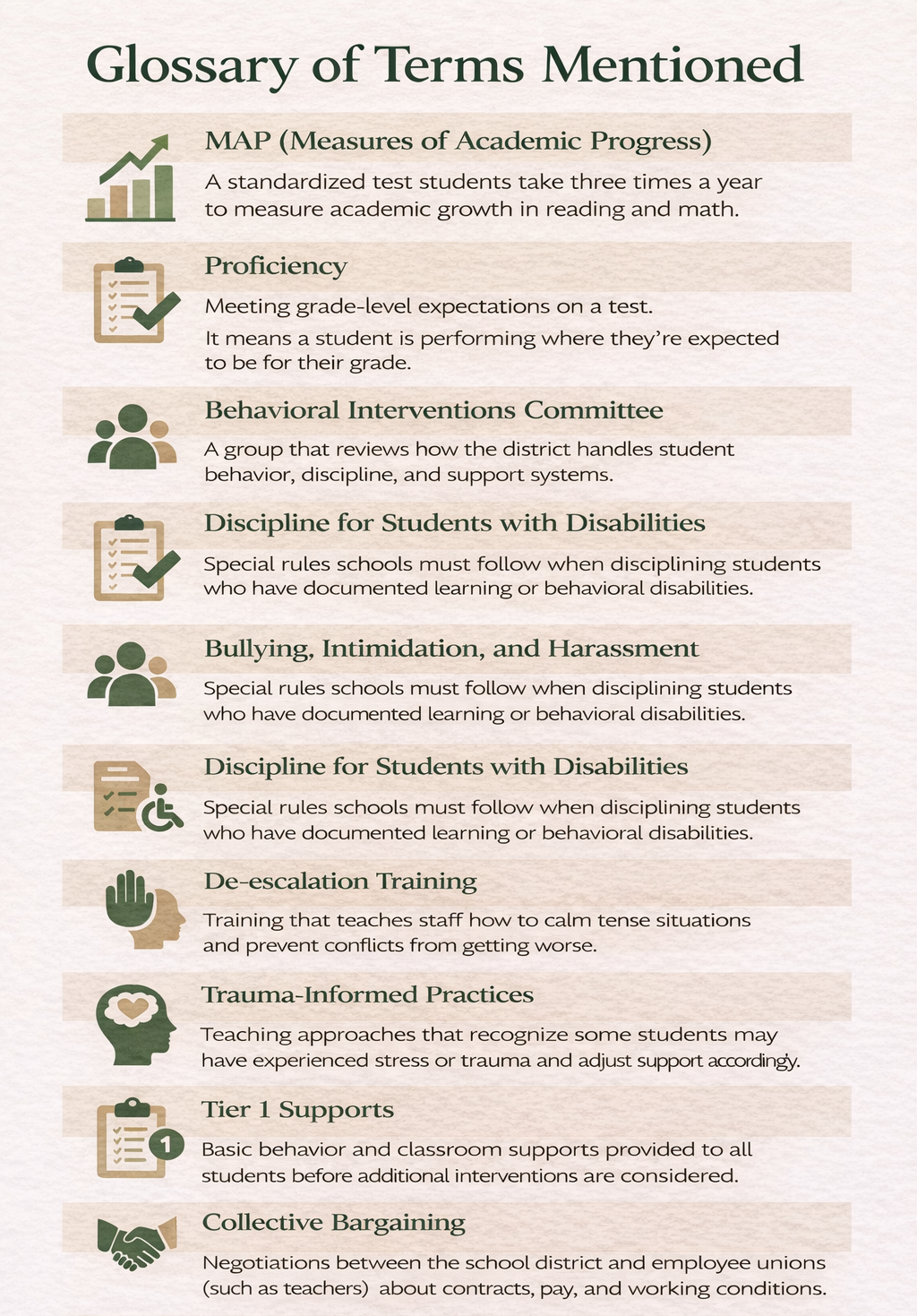
Winter MAP data for grades 1–8 shows:

  • Reading proficiency at 60%, compared to 58% last spring.

  • Math proficiency at 49%, compared to 46% last spring.

The district administers MAP assessments in fall, winter, and spring to monitor student growth.

Attendance data was also presented. First quarter district attendance was 96.2%. Second quarter attendance was 94.4%.

Behavioral Interventions Committee

The Board reviewed a summary of the January 14 Behavioral Interventions Committee meeting.

The committee reviewed policies and procedures related to student misconduct, discipline for students with disabilities, and bullying, intimidation, and harassment.

According to the summary, the committee “shared data regarding bullying incidents in our district last year and this year, noting there are very few incidents in Geneseo.”

The committee also discussed staff training, including de-escalation training and trauma-informed practices, and reviewed classroom behaviors and Tier 1 supports. The committee plans to meet twice per year, with the next meeting scheduled for fall 2026.

Superintendent Report

Superintendent Dr. Laura Delgado provided updates including:

  • Dean Johnson was named Blackhawk Assistant Principal of the Year by the Illinois Principals Association.

  • Collective bargaining discussions are ongoing.

  • February 16 will serve as a snow make-up day.

  • The 5Essentials Survey is open to students, staff, and families.

  • Approximately 60 GHS juniors took a practice ACT on February 6.

  • Melanie Henderson was introduced as the new Assistant Principal at Geneseo Middle School.

Next Steps

The district reported plans to continue developing sections of the strategic plan, identify and monitor action steps and metrics, focus on data collection and professional development, and share information with the Board of Education and the community.

Sources: Winter 2026 Data Progress Report; Behavioral Interventions Committee Summary (Jan. 14, 2026); Superintendent Report to the Board (Feb. 6, 2026).

The Geneseo Current independently prepares this recap using publicly available Board reports and documents. The district does not review or endorse this publication.
Why Extreme Cold Can Lead to School Closures

by Sarah DeMaranville

When schools close due to extreme cold, the decision often raises questions—particularly when roads are clear and snowfall is minimal. However, temperature and wind chill alone can create safety risks that affect transportation, outdoor exposure, and emergency response, especially in rural districts.

Geneseo School District officials note that their goal is always to keep students in school when conditions allow. Superintendent Dr. Laura Delgado explained in a recent blog post, “The ultimate goal is to keep our students safely in school whenever possible,” while acknowledging that “when you live in the Midwest, there will be days when the roads, snow, ice, wind, and temperatures will prevent us from doing that.”

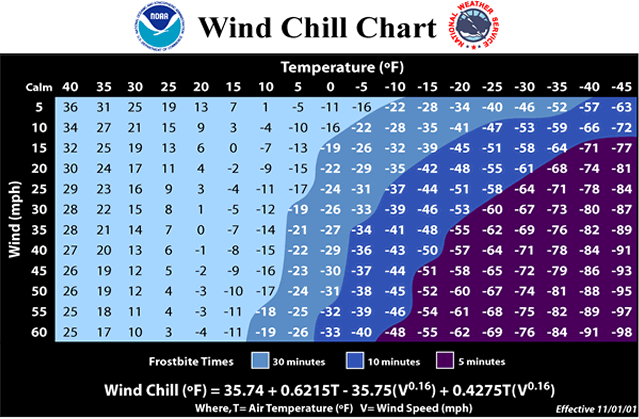
Safety concerns become more pronounced as temperatures reach extreme levels. At wind chill readings near −35°F, exposed skin can freeze in as little as ten minutes. Children are particularly vulnerable because they lose body heat more quickly than adults, often have exposed skin on the face, ears, and hands, and may not recognize or communicate early signs of frostbite.

The greatest risk during severe cold does not occur inside heated school buildings, but during routine transitions throughout the day. Waiting at bus stops and walking from drop-off areas to school entrances require outdoor exposure. In temperatures this low, even minor delays can significantly increase the risk of hypothermia.

Transportation safety is another key factor. The Geneseo School District spans more than 260 square miles, much of it rural, which means longer bus routes and increased exposure time. At temperatures near −35°F, buses are more likely to experience mechanical issues such as difficulty starting, frozen doors, or battery and fuel system failures. A stalled bus can leave students waiting in dangerous wind-chill conditions while assistance is arranged.

Extreme cold can also stress the respiratory system. Very cold air can trigger bronchospasm in children with asthma and cause coughing, chest tightness, or breathing discomfort even in otherwise healthy students. While scarves or face coverings can help reduce airway irritation, consistent and proper use cannot be guaranteed, particularly among younger children.

Emergency response considerations also play a role. In extreme cold, response times may increase, and providing care may involve additional outdoor exposure. Minor injuries can escalate more quickly when temperatures are dangerously low, reducing the margin for safe response during the school day.

District leaders closely monitor forecasts and wind-chill advisories from the National Weather Service when making closure decisions. Dr. Delgado has acknowledged that closures are disruptive, stating, “It’s not a fun part of the job… Closing school for a day means families adjusting plans and teachers pivoting lessons.” However, she emphasized that “it will always come down to the safety of all our students.”

At −35°F, the risks associated with school attendance are not theoretical. They are predictable and tied to normal school operations, including transportation, arrival, transitions, and emergency response. District officials say closures in these conditions are made to ensure student safety, even when that decision is difficult.

Quotes attributed to Superintendent Dr. Laura Delgado sourced from a Geneseo School District blog post explaining weather-related closure decisions.