Letter to the Editor: When "Priority" Doesn't Mean Priority

This is my third and final installment on this topic.

My personal experience with the USPS has not been positive. I have observed a deterioration of service in the last six months.

I would like to share a recent example. It is a bit lengthy, but instructive.

BACKGROUND

In early February 2026, I sent two packages via Priority Mail to my grandson for his birthday. Priority Mail is advertised as a two- to three-day service, and included in the fee is "free" $100 insurance. One package was delivered three days late, and the other has never been delivered. Both obviously missed his birthday.

PROCESS

Since I mailed these items through the Geneseo Post Office, I started there. The employees were generally helpful and sympathetic to my problem, but ultimately impotent and ineffectual.

After waiting a few weeks, upon the advice of the local USPS supervisor, he ran a trace on the missing item. He said it was still at the USPS processing facility in Des Moines. After a month, he said the item had been lost and that I should file a claim.

CLAIM HISTORY

My view is I paid my money and had a contract with the USPS, and since they failed, I was entitled to reimbursement of the insured value. Interestingly, they do not reimburse a sender for the original shipping fees. Also, the claim that the item was "lost" is weak. Since matter can neither be created nor destroyed, my view is the USPS had this item in its custody while it was either stolen or damaged.

So these are the steps I followed and the result:

  1. I filed a claim, which was rejected.

  2. I appealed the rejection, which was also rejected.

  3. Once again, I filed an appeal, which was once again rejected.

The USPS argued I didn't provide proof the item was damaged and therefore could not reimburse me. I never said it was damaged; my point was they "lost" it. This fell on deaf ears. This is circular reasoning at its finest—they admit they lost the item, but since it was lost, I needed to prove it was damaged. My response was, "Just return the damaged item to me and we'll call it even." No reply.

At this point several months had passed, and I was getting tired of chasing a dead end. I had spent several dozen hours working on it to that point. I foolishly decided to file a complaint with the U.S. Postal Inspection Service and began calling various 1-800 phone numbers. After getting kicked around through several automated phone systems and talking to a couple of clerical employees, I was instructed to engage in a texting session with an AI bot. This resulted in the bot informing me its records indicated the item was in the system and pending delivery and that I needed to be patient. After four months, this was total hogwash. This was the final straw, and I gave up.

CONCLUSION

I learned the USPS is a failing institution because it does not provide the service that is paid for. There will probably always be a need for it to exist, but the business model it utilizes is broken, and it has priced itself out of a competitive position. Particularly disgusting is the customer service. Apparently, they feel that by implementing internet-based solutions and AI tricks, all will be well. With 600,000 employees, we all deserve better.

- Donald Crawford
Letter to the Editor: Before Another Piece of Geneseo's History Disappears

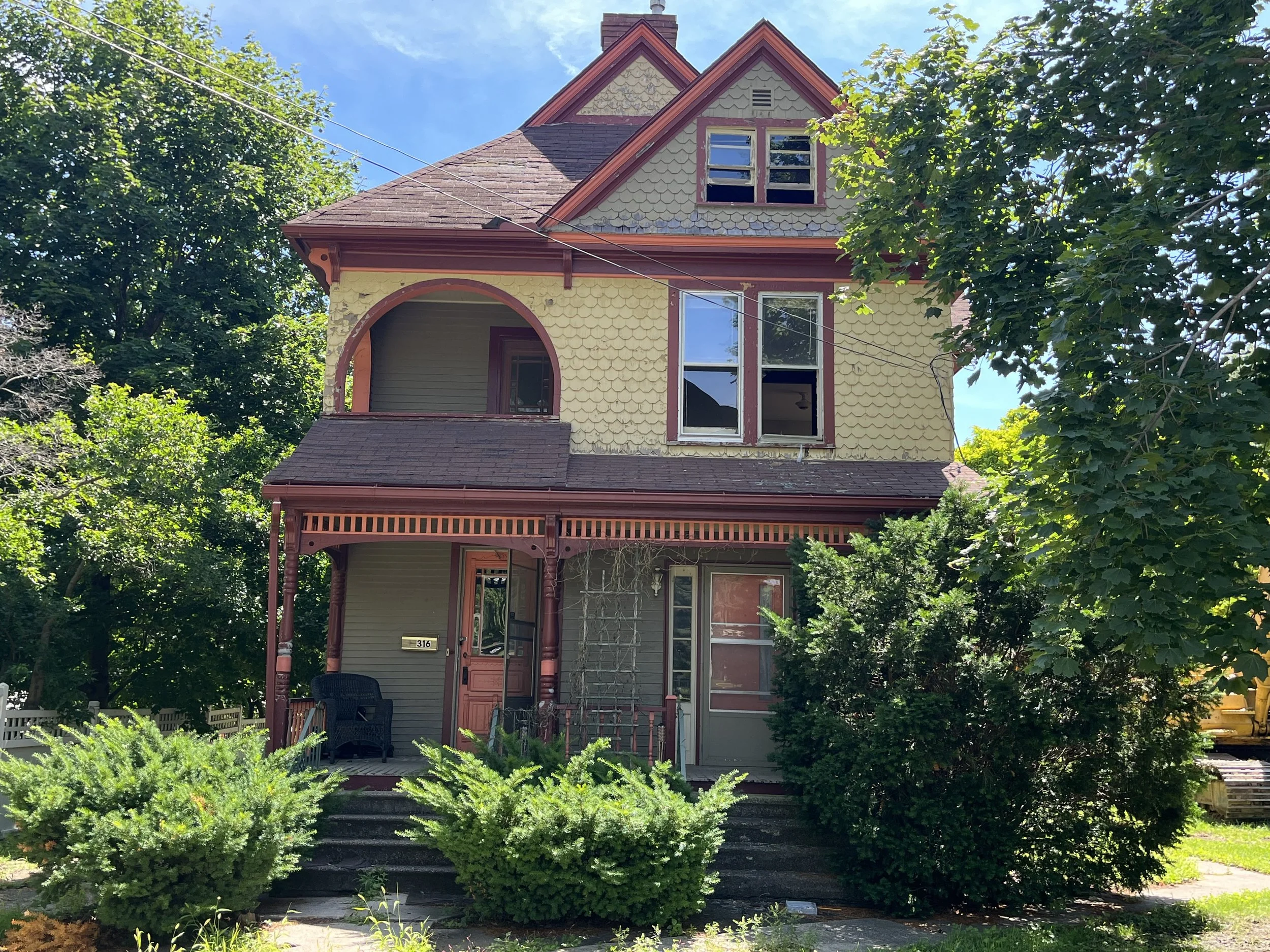
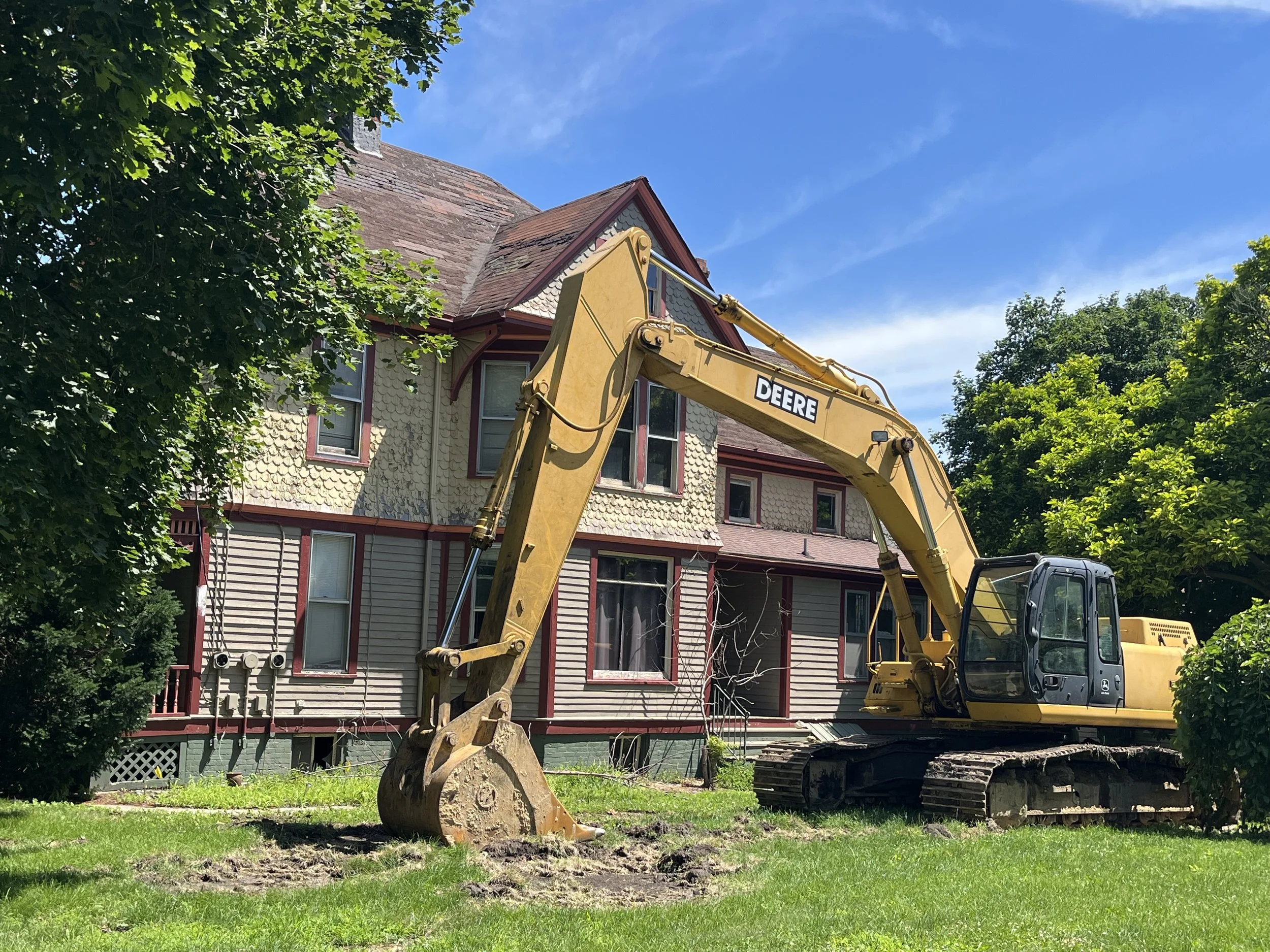
Three weeks ago, just before Geneseo’s music festival weekend, I drove down State Street—just past the city park, and I was shocked to see a large Deere excavating machine parked next to the Queen Anne Victorian home at 316 South State Street. After pulling over and observing more carefully, I saw the JULIE locater flags in the front yard, and I knew immediately what that meant. The house is going to be demolished. As of today, the house still stands.

It’s one of my favorite houses in Geneseo, situated adjacent from the city park and along the State Street boulevard in one of the most visible locations in town. It has unique architectural features, with an upstairs arched porch and Queen Anne details across the roofline of the downstairs porch, topped off with fish scale scallops on the upper levels of the home. For me, it’s very disappointing that one of the most iconic and historic Geneseo homes isn’t being restored. Does anyone else in Geneseo feel the same way?

I’m fully aware that the house has been neglected for many years. It was used as a duplex, and I know from the experience of once being a landlord that not all renters are good ones. It also needs a roof, new windows, and probably needs all new mechanicals, but the house doesn’t look hopeless. I don’t pretend to know all of the reasons why it is being demolished; there may be many. It looks structurally sound.

A quick search on Zillow has a description and pictures of the house from a 2019 listing. It has an intricate open stairway, a fireplace, original woodwork, hardwood floors, a pocket door, and stained glass. The description states that “It’s a rare opportunity to own a piece of preserved history.” The same Zillow listing also indicates that the home was sold in 2020.

Just a block south of the home is a sign on the boulevard that says, “Geneseo Historic District.” I don’t know exactly what that means in Geneseo, as several homes along State Street have been demolished in recent years, and this house is apparently going to be next. Geneseo used to proudly market itself as “Victorian Geneseo,” but I have not heard the town promoted in that way for a number of years.

Historic Preservation of our homes and downtown buildings draws residents and tourism to places like Geneseo. Restoring our older homes is an investment in our community and our future. It’s our architecture that often sets one community apart from another, especially in the Midwest. Instead of demolition, let’s respect the craftsmanship of those before us, and find solutions and the resources to help preserve these unique and historic homes.

-Marty Golby, Geneseo

Downtown Geneseo Sidewalk Sales Return July 24–25

Downtown Geneseo will transform into an open-air shopping destination July 24–25 as local businesses bring merchandise outdoors for two days of sidewalk sales, special promotions, pop-up vendors and live entertainment.

The annual event, organized by the Geneseo Chamber of Commerce, invites residents and visitors to spend the weekend exploring downtown while taking advantage of seasonal deals and discovering new businesses.

"Businesses around Geneseo are bringing their deals outside," said Chamber Executive Director Lindsie Akers. "Join us July 24 and 25 for sidewalk sales, special deals, pop-ups and more."

Several downtown businesses have already announced promotions for the weekend, including:

  • Pegasus Fine Gifts: Buy two sale items and get two free.

  • Four Seasons: Last Chance Consignment items for $5 each or three for $10.

  • Village Home Stores: Big Lighting Sale.

  • A Spotted Apron: 50% off clearance merchandise and 25% off storewide.

In addition to shopping, visitors can enjoy several special attractions throughout downtown. Anthology for Books will have its popular "Once Upon a Trailer" book trailer on site, while Gaslight Grocer & Wine Bar will host pop-up vendors Dragonfly Flower Farms and Leaf Livestock. Live patio music will also be offered at In-A-Godda-Da-Vida.

Additional participating businesses include Katsch Boutique, Village Florist, and Hayshaker's Grill & North Street Treats, along with other downtown merchants offering sidewalk displays and promotions throughout the weekend.

According to Akers, the event is designed to showcase everything that makes downtown Geneseo unique.

"Downtown Geneseo comes alive for a full weekend of sidewalk shopping, summer sales and community fun," she said. "Local businesses set up outside their storefronts with racks, tables and displays overflowing with deals—from clothing and gifts to home goods and seasonal finds."

She encourages shoppers to take their time exploring downtown.

"It is the perfect excuse to discover something new and support the small businesses that make Geneseo special," Akers said. "Grab a friend, bring the family and make a day of it."

The Sidewalk Sales will take place Friday and Saturday, July 24–25, throughout downtown Geneseo.

Find Waldo Local Invites Families to Explore Geneseo Businesses This July

Families looking for a fun summer adventure have a new reason to explore local businesses this July.

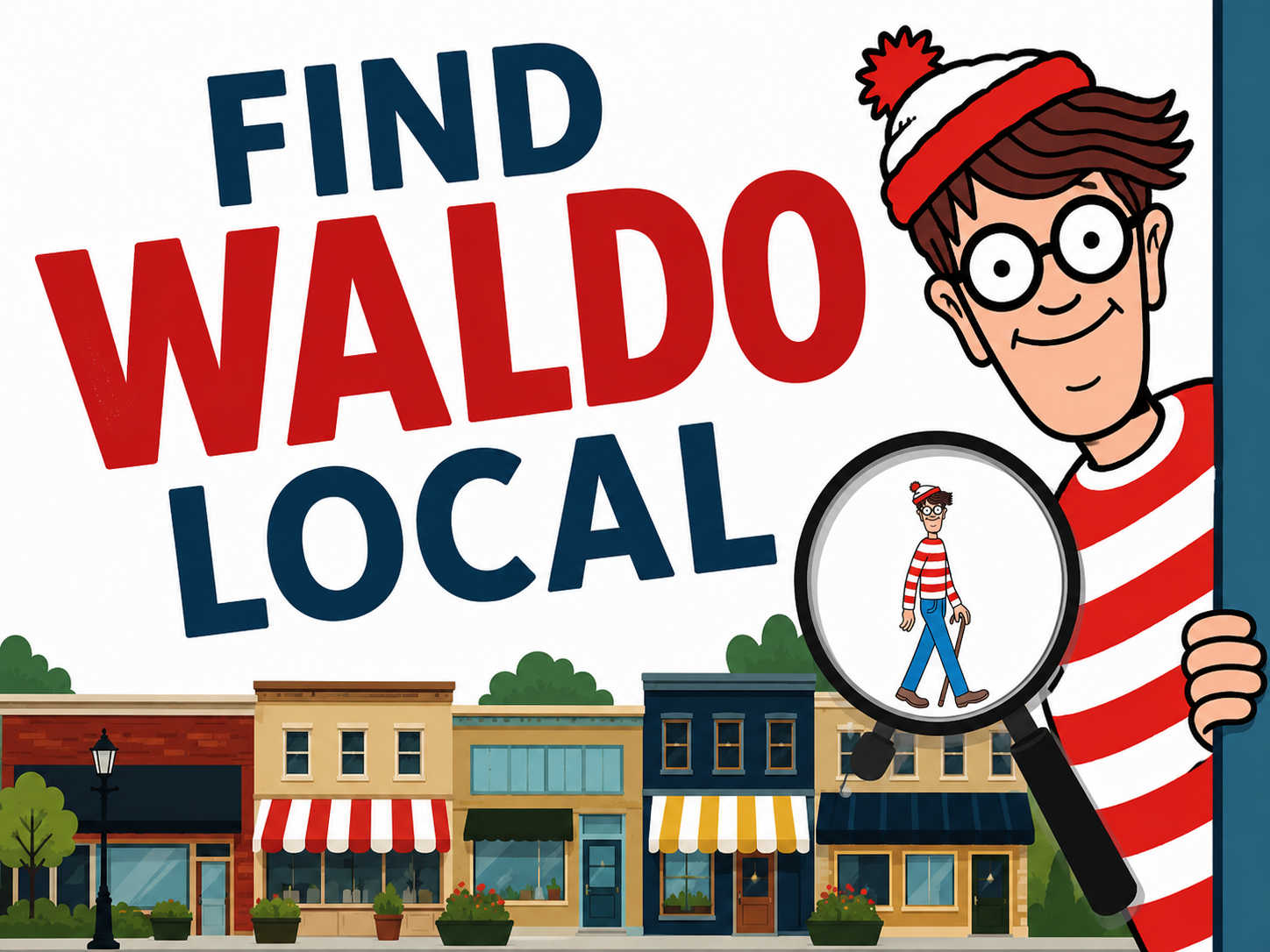
Throughout the month, Anthology for Books is bringing Find Waldo Local to Geneseo, a free community-wide scavenger hunt that encourages participants to shop local while searching for everyone's favorite striped traveler.

The game begins at Anthology for Books, where participants can pick up a free Find Waldo Local passport. From there, they'll visit 25 participating businesses throughout Geneseo, each hiding a small Waldo figurine somewhere inside.

When Waldo is found, participants receive a stamp in their passport before heading off to the next location.

The more stamps collected, the bigger the reward.

Participants who collect 10 stamps will earn a prize, while those who collect 20 stamps can be entered into the grand prize drawing to be held during a Waldo celebration on July 31.

Businesses participating in the hunt can be identified by a Find Waldo Local window cling, making it easy for families to know where to search.

The month-long event is designed to encourage families to explore Geneseo, discover local businesses, and enjoy a self-paced activity together throughout July. Whether participants choose to search for a few Waldos each week or try to find them all in a single weekend, the hunt offers a fun way to experience the community while supporting local businesses.

Anthology for Books serves as the event headquarters, where participants can pick up passports, ask questions, and even search for Wizard Whitebeard, another hidden character located inside the bookstore.

Find Waldo Local is an annual, nationwide program created by Candlewick Press and the American Booksellers Association. Independent bookstores apply to participate, and Anthology for Books is proud to be included this year. The booksellers are excited to lead a community-wide collaboration that celebrates local businesses and brings the beloved Where's Waldo? books to life.

How to Participate

Pick up a free Find Waldo Local passport at Anthology for Books.Visit 25 participating Geneseo businesses and search for the hidden Waldo figurine.Collect 10 stamps to earn a prize.Collect 20 stamps to be entered into the July 31 grand prize drawing.Look for the Find Waldo Local window cling displayed at participating businesses.

For families looking to add a little adventure to their summer, Find Waldo Local offers a simple reason to get out, explore Geneseo, and see how many Waldos they can find before the end of July.

For more information, see this Facebook reel.

10 Easy Ways to Support the Henry County Humane Society


The Henry County Humane Society operates on an annual budget of approximately $250,000 and relies entirely on community support to provide shelter, medical care, and second chances for animals in need. Here are ten ways to help, starting with the simplest and ending with some of the biggest commitments.

1. Share Adoptable Pets on Social Media

A simple share can help an animal find its future family. Follow the Henry County Humane Society here.

2. Promote Responsible Pet Ownership

Encourage spaying, neutering, microchipping, and proper pet care within the community.

3. Attend Fundraising Events

Whether you're playing, volunteering, or spectating, event participation helps raise funds and awareness. Stay on top of upcoming events here.

4. Donate Supplies

Items such as pet food, cat litter, paper towels, laundry detergent, bleach, treats, and cleaning supplies are always appreciated. Click here for more information.

5. Donate Money

Financial contributions help cover veterinary bills, food, medications, utilities, and daily operations. Click here to donate.

6. Become a Monthly Donor

Recurring donations provide reliable funding that helps the Humane Society plan for the future and respond to ongoing needs.

7. Volunteer

Donate your time by helping with animal care, cleaning, events, transportation, or other shelter needs. Fill out an application here.

8. Foster

Provide temporary care for an animal while it waits for adoption. Click for more information and application.

9. Adopt

Open your home to a shelter animal looking for a forever family. Fill out your adoption application here.

10. Leave a Legacy Gift

Consider including the Humane Society in your estate plans or making a memorial gift in honor of a loved one. Legacy gifts can help support the organization's mission for years to come.

Every contribution—whether it's a social media share, a bag of pet food, a monthly donation, or opening your home to an animal in need—helps provide care, comfort, and a second chance for animals throughout Henry County.


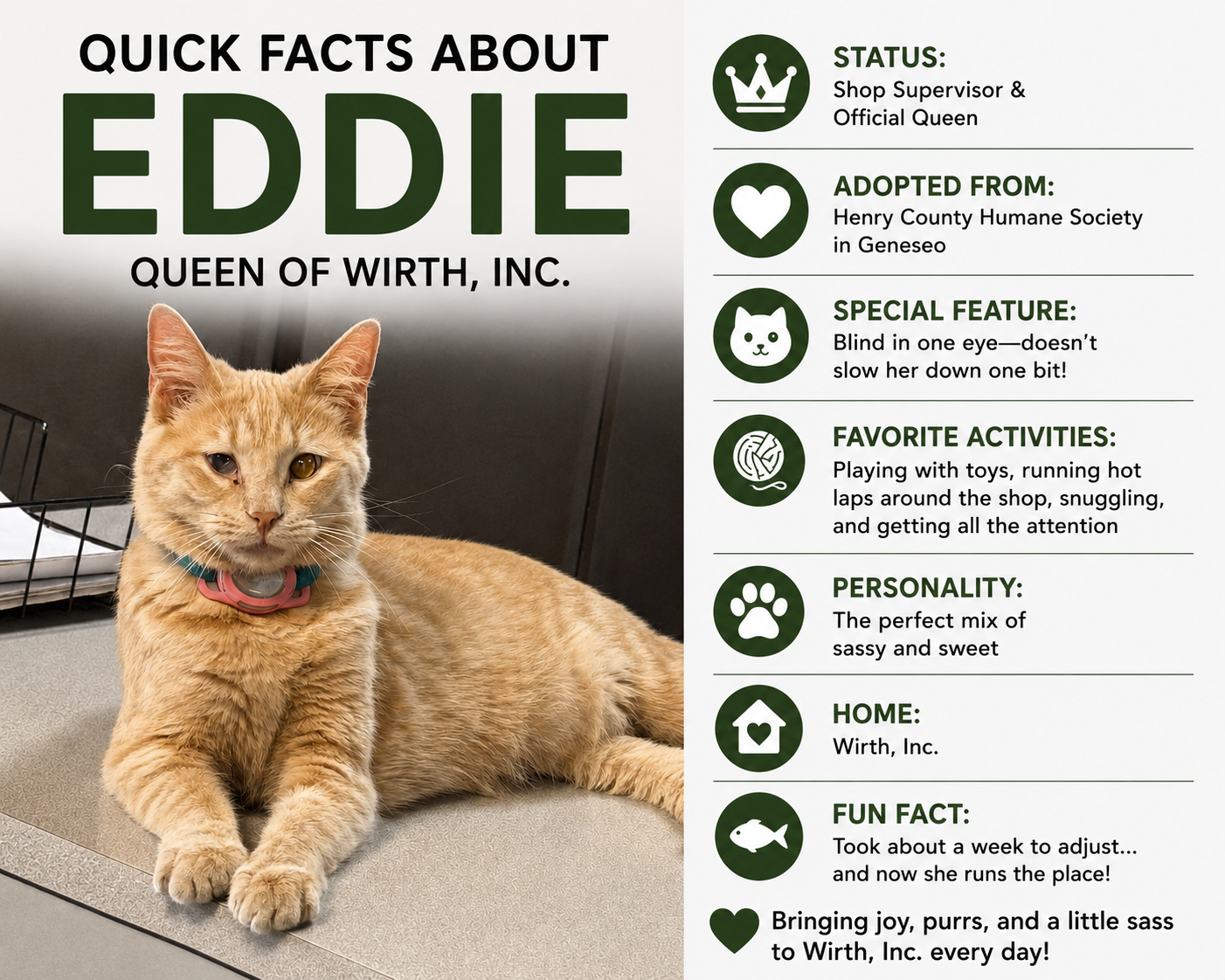
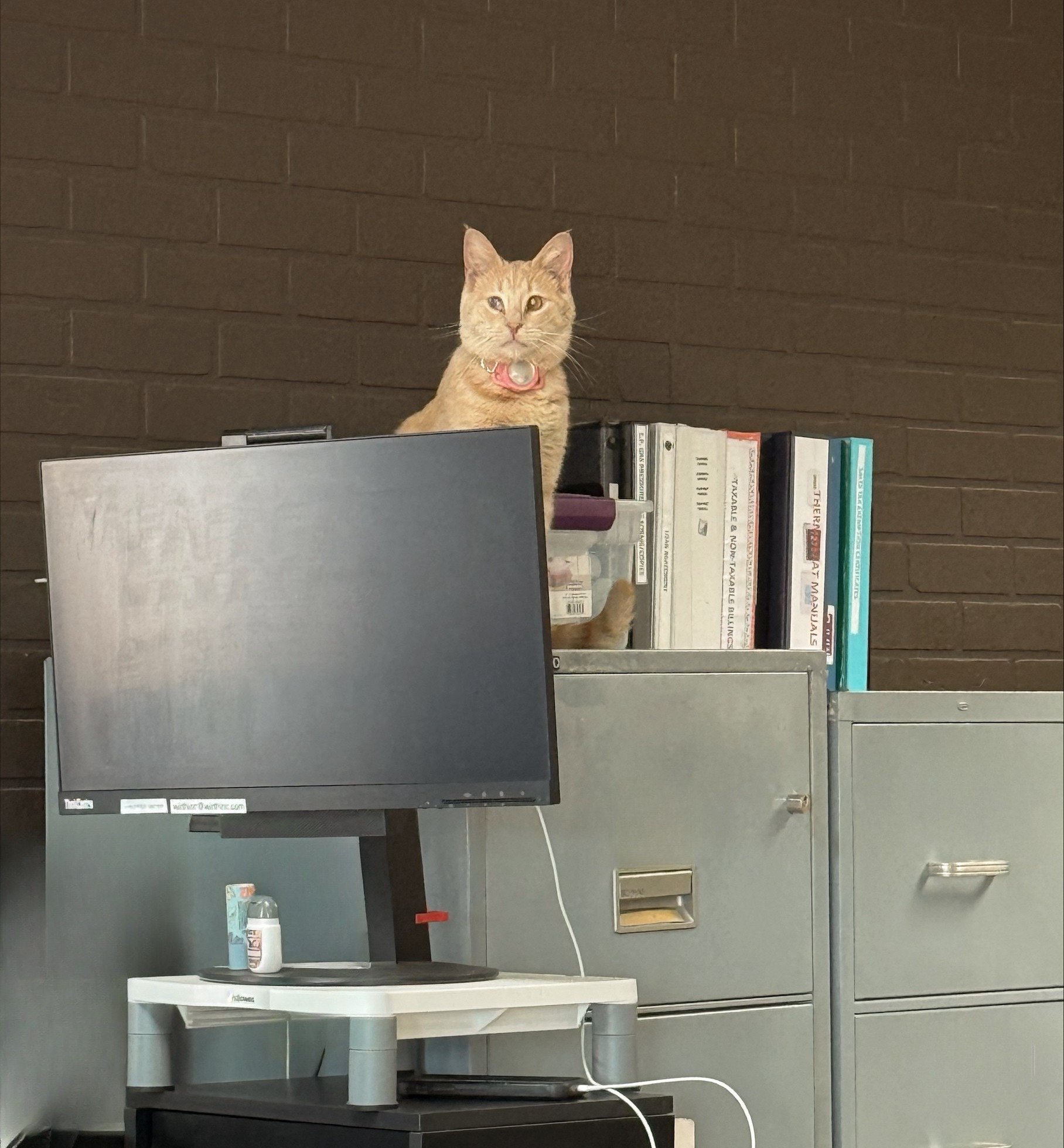
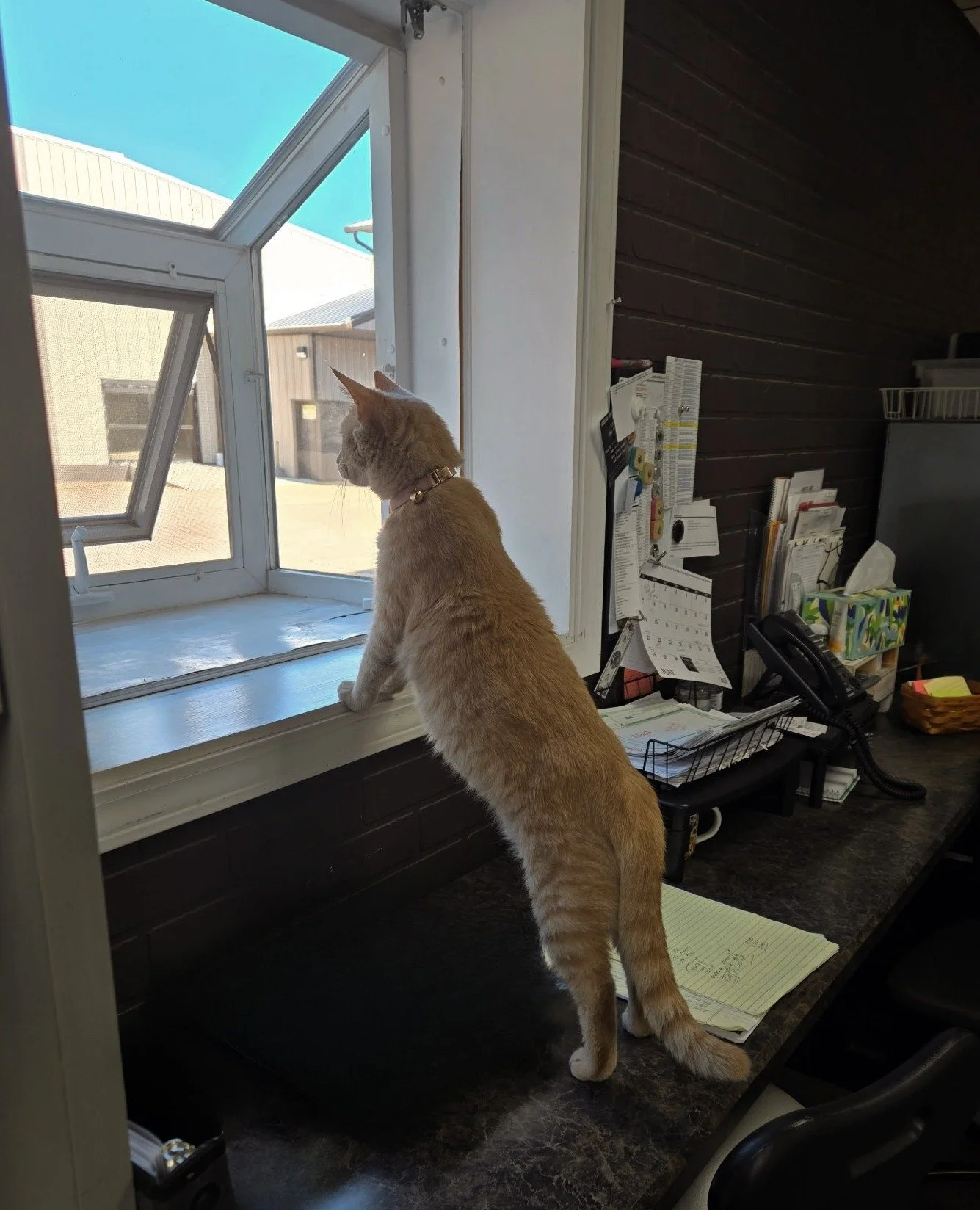
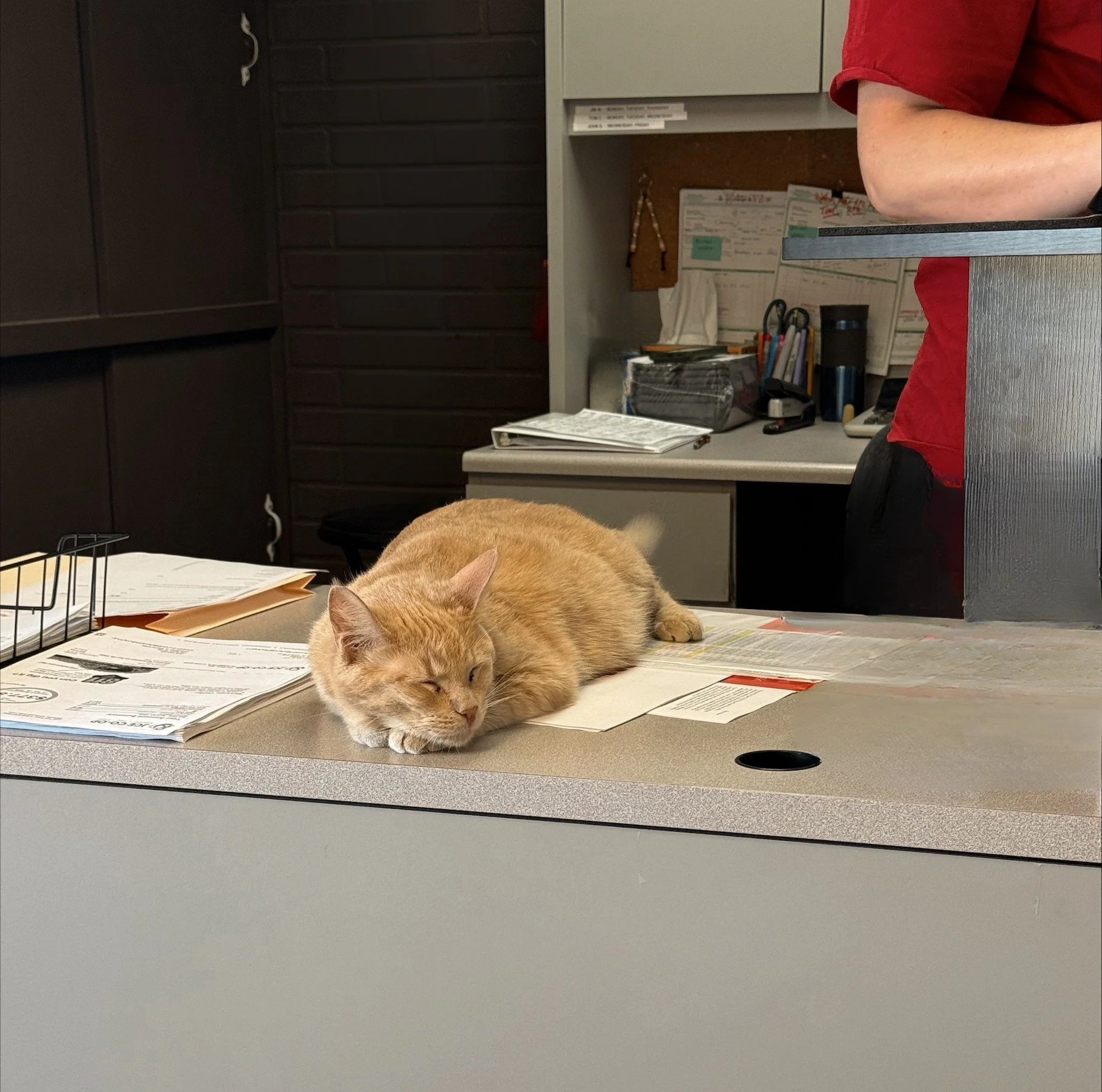
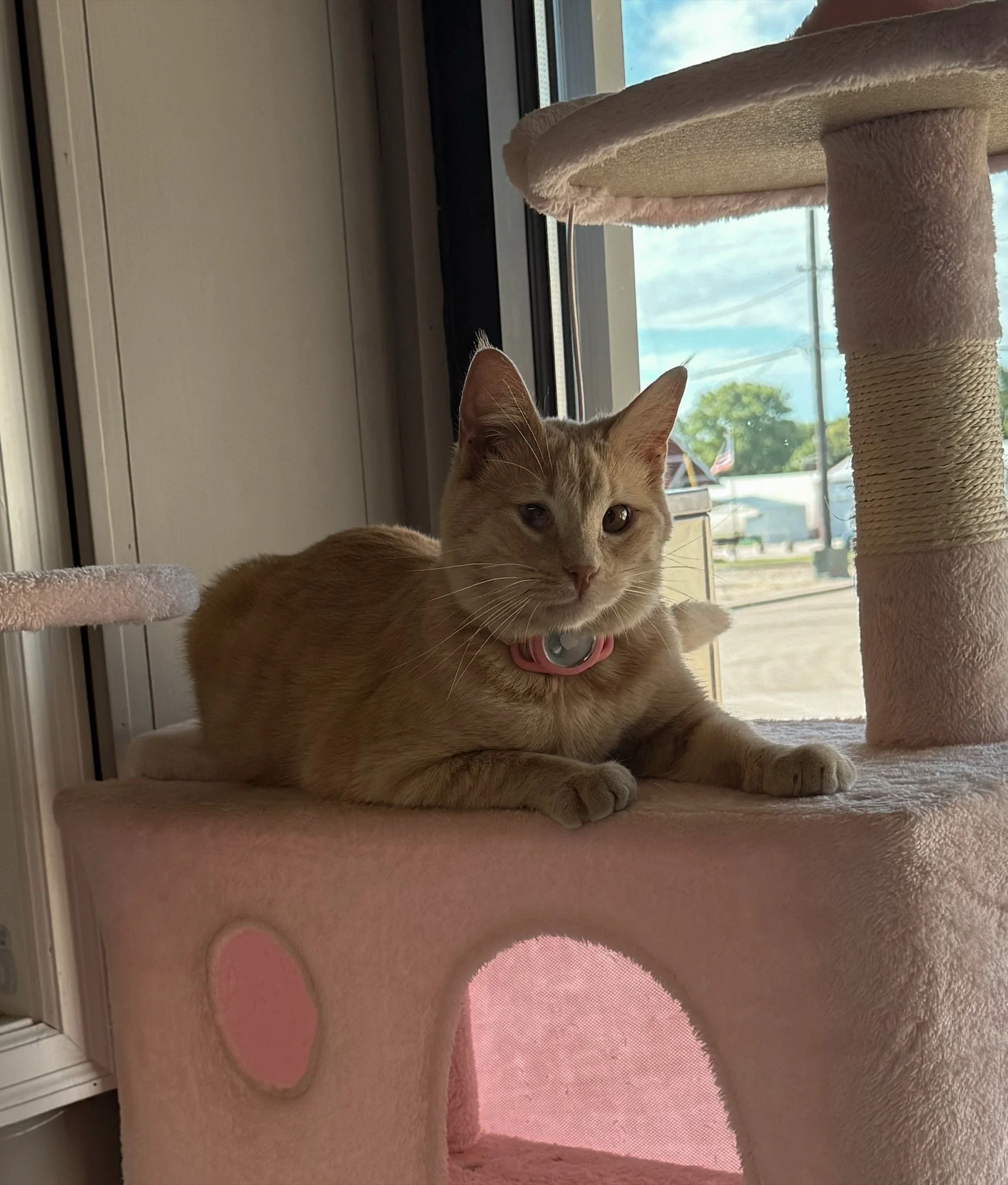
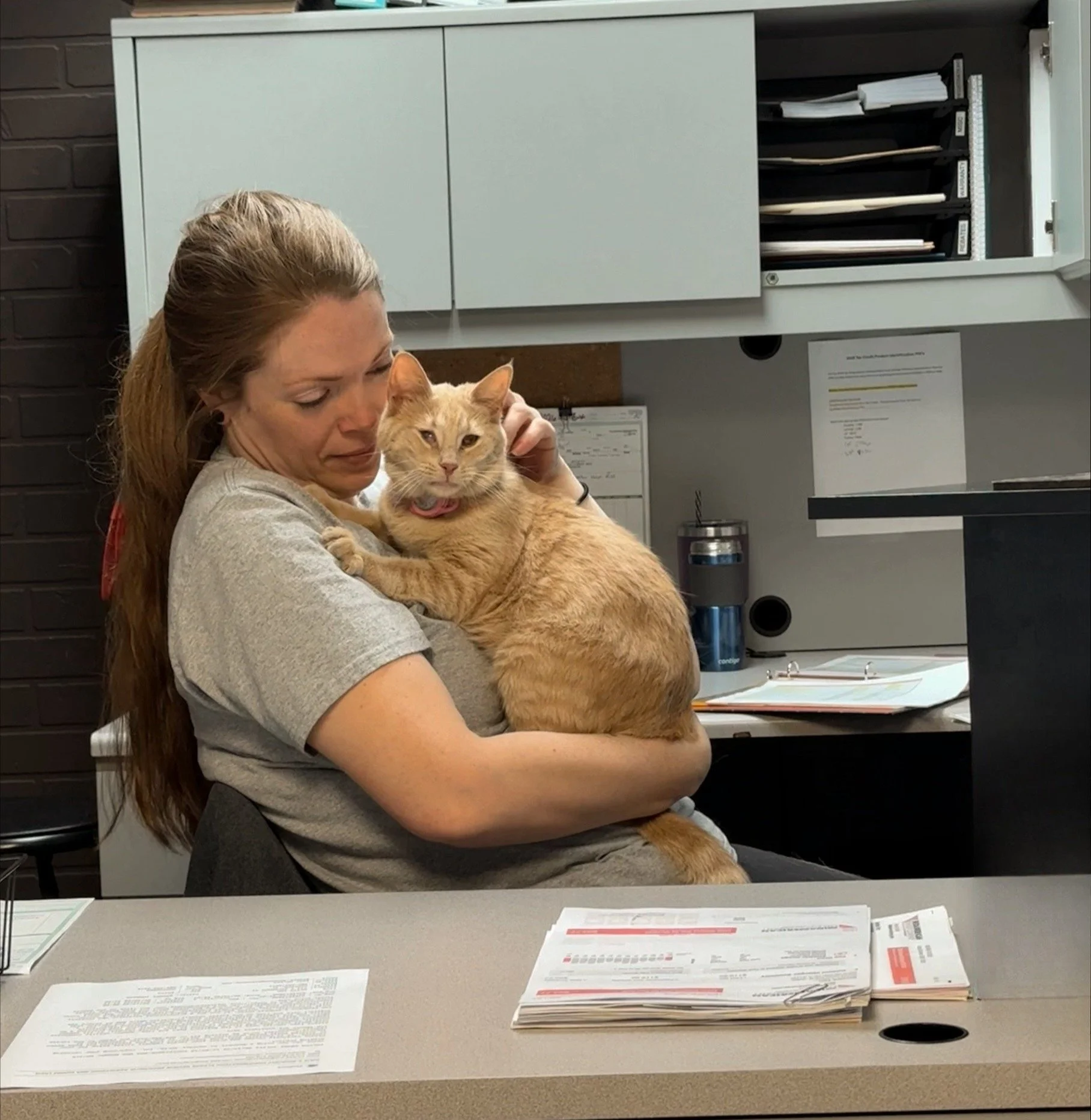
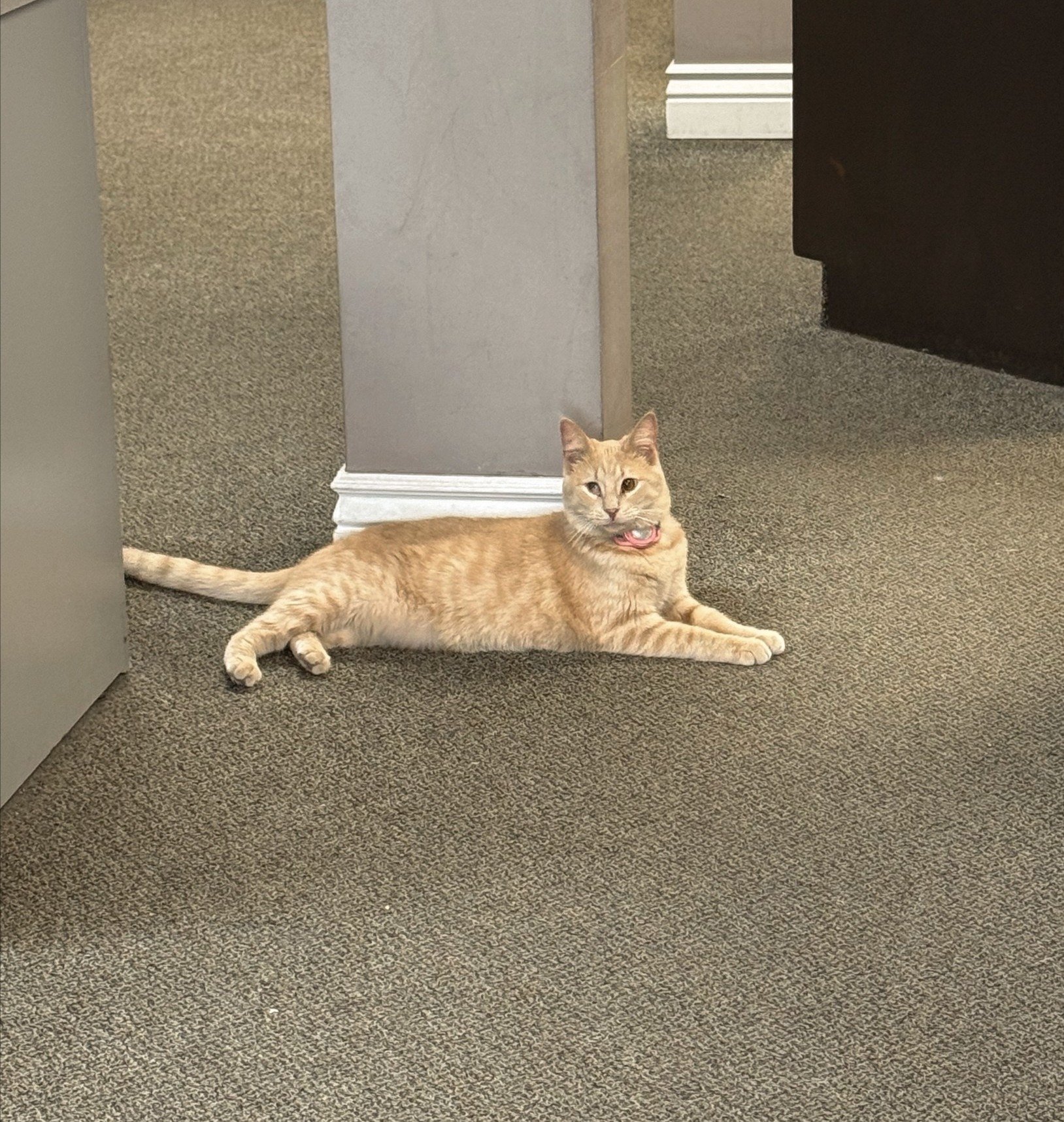
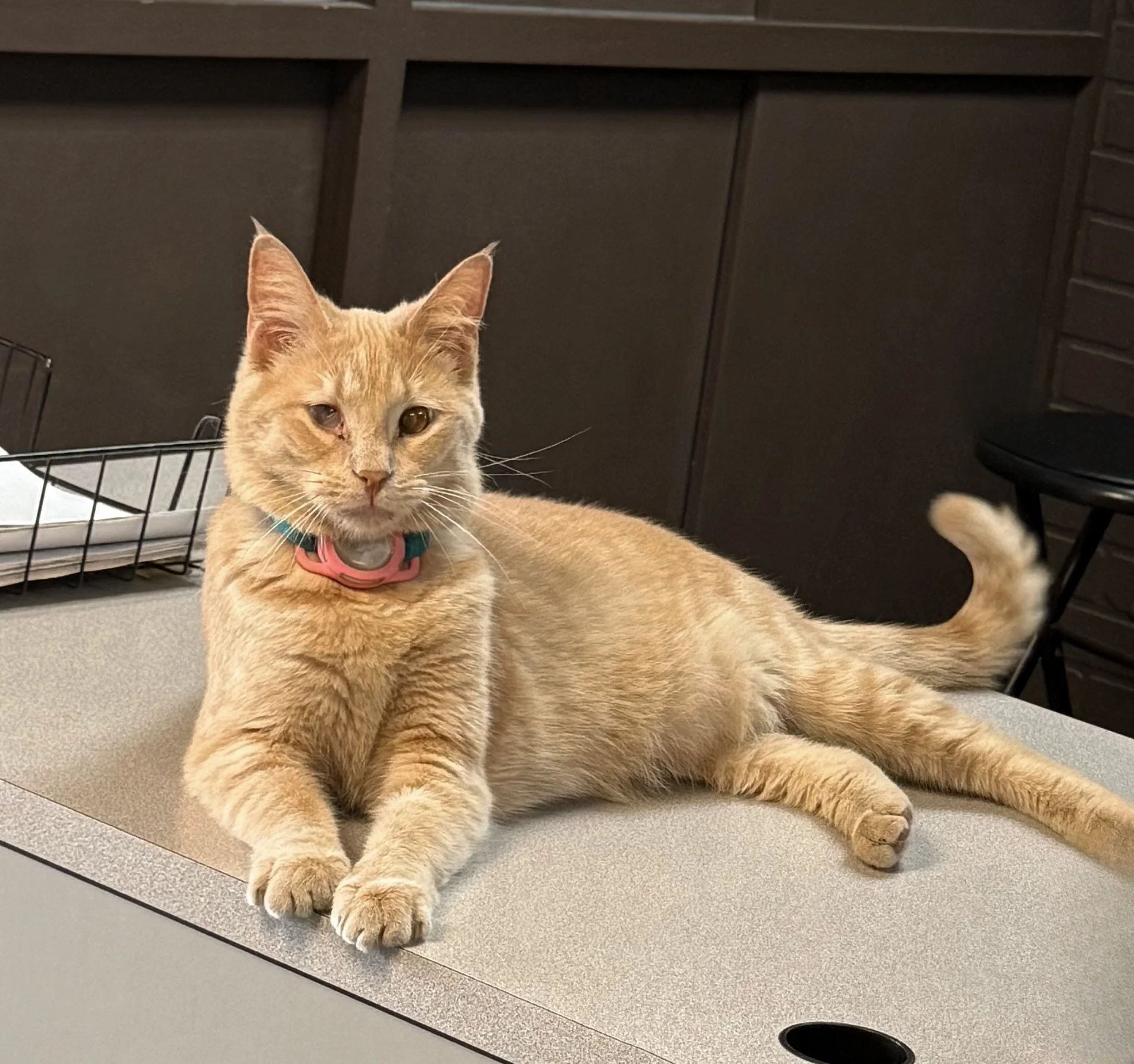
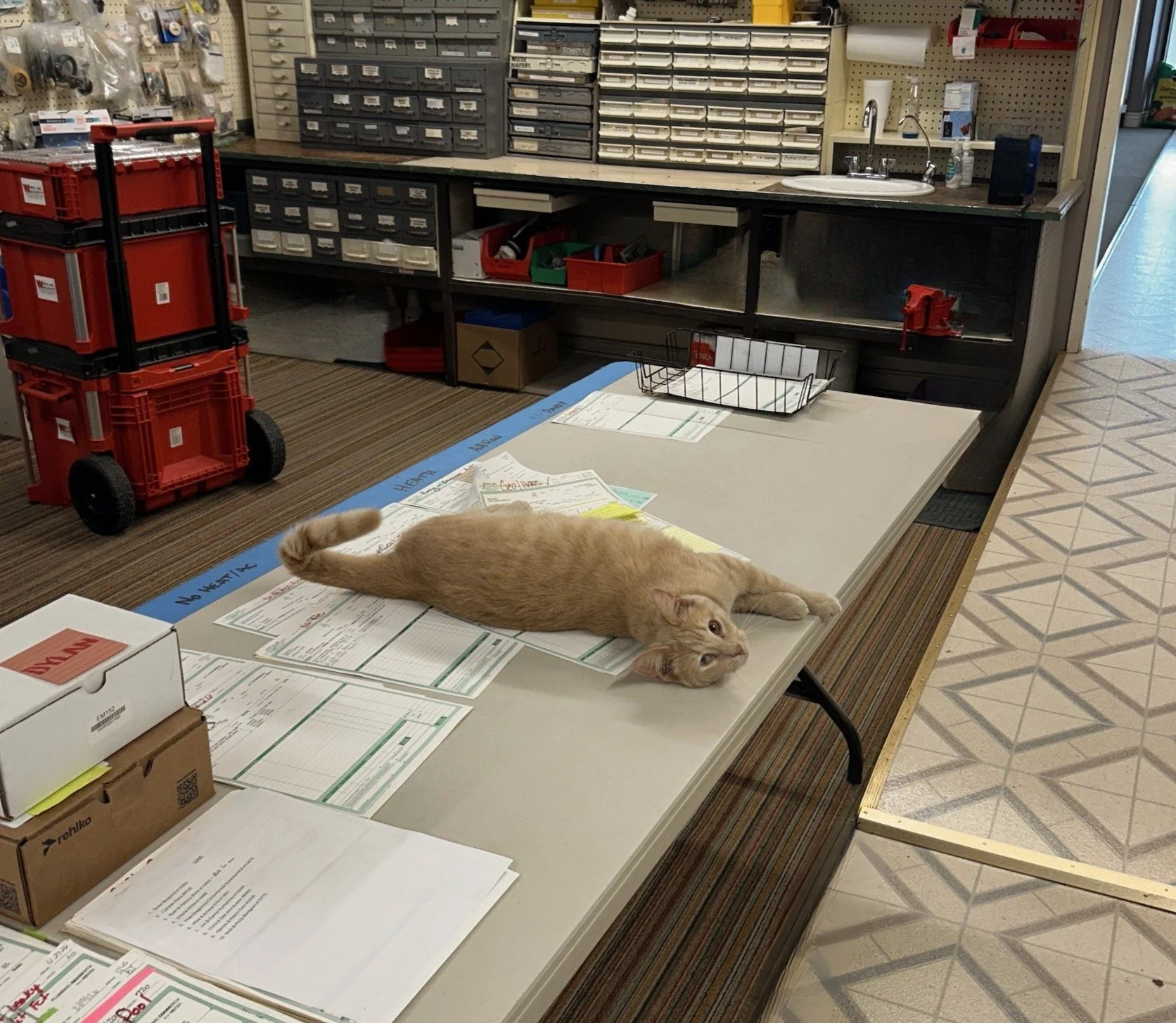
From Shelter to Shop Supervisor: Eddie Finds Her Forever Home at Wirth, Inc.

Sometimes the best ideas begin as a joke.

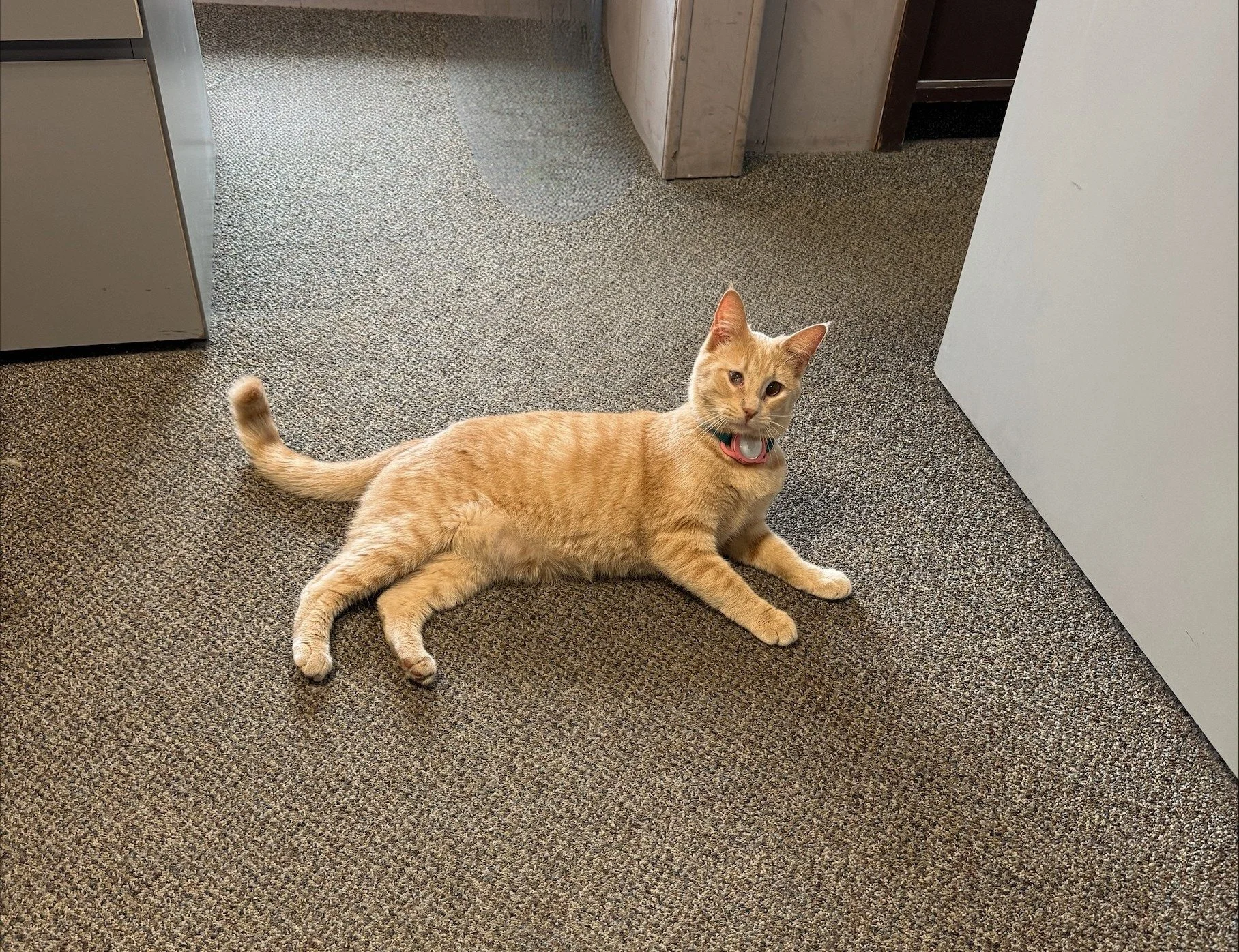
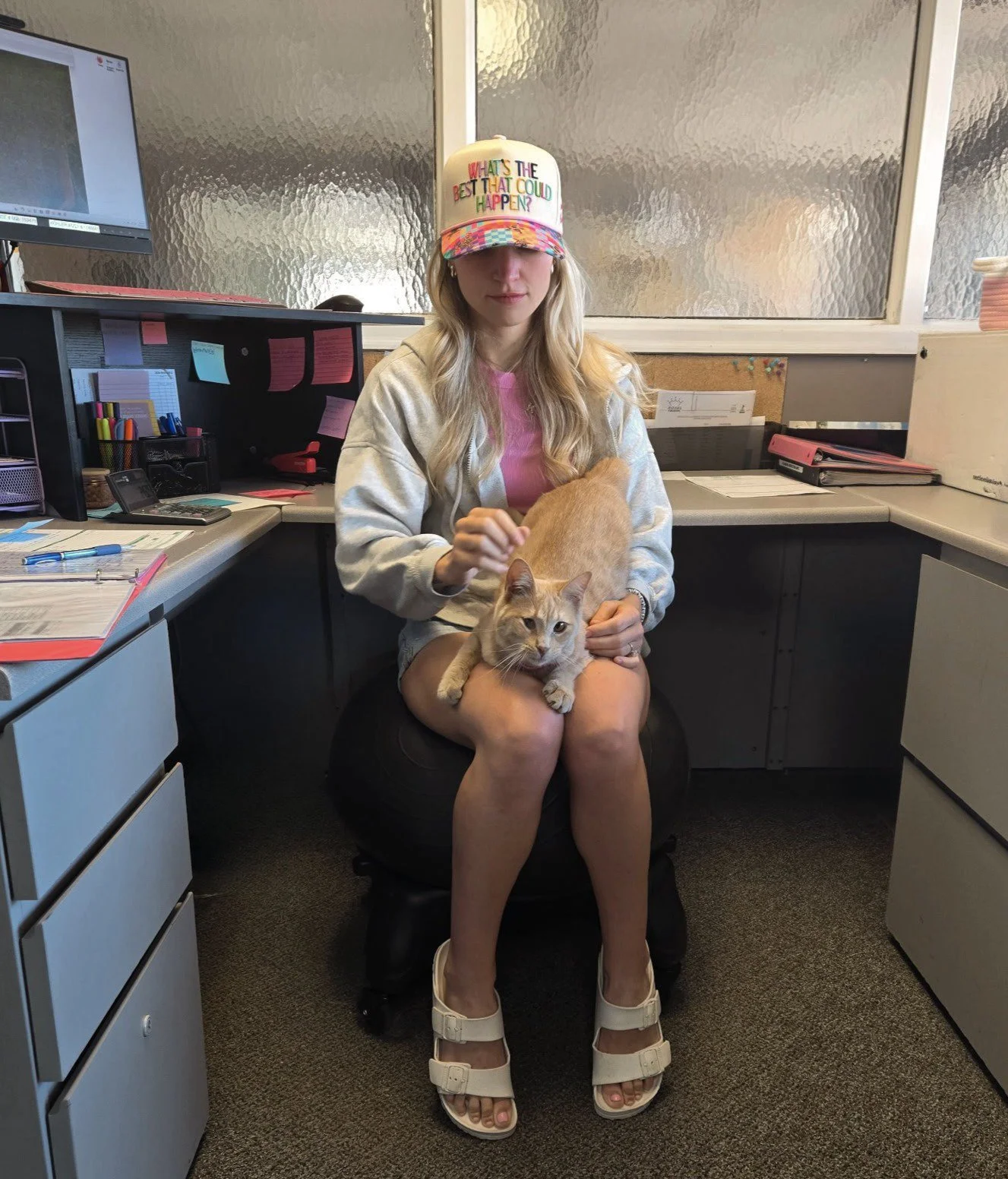
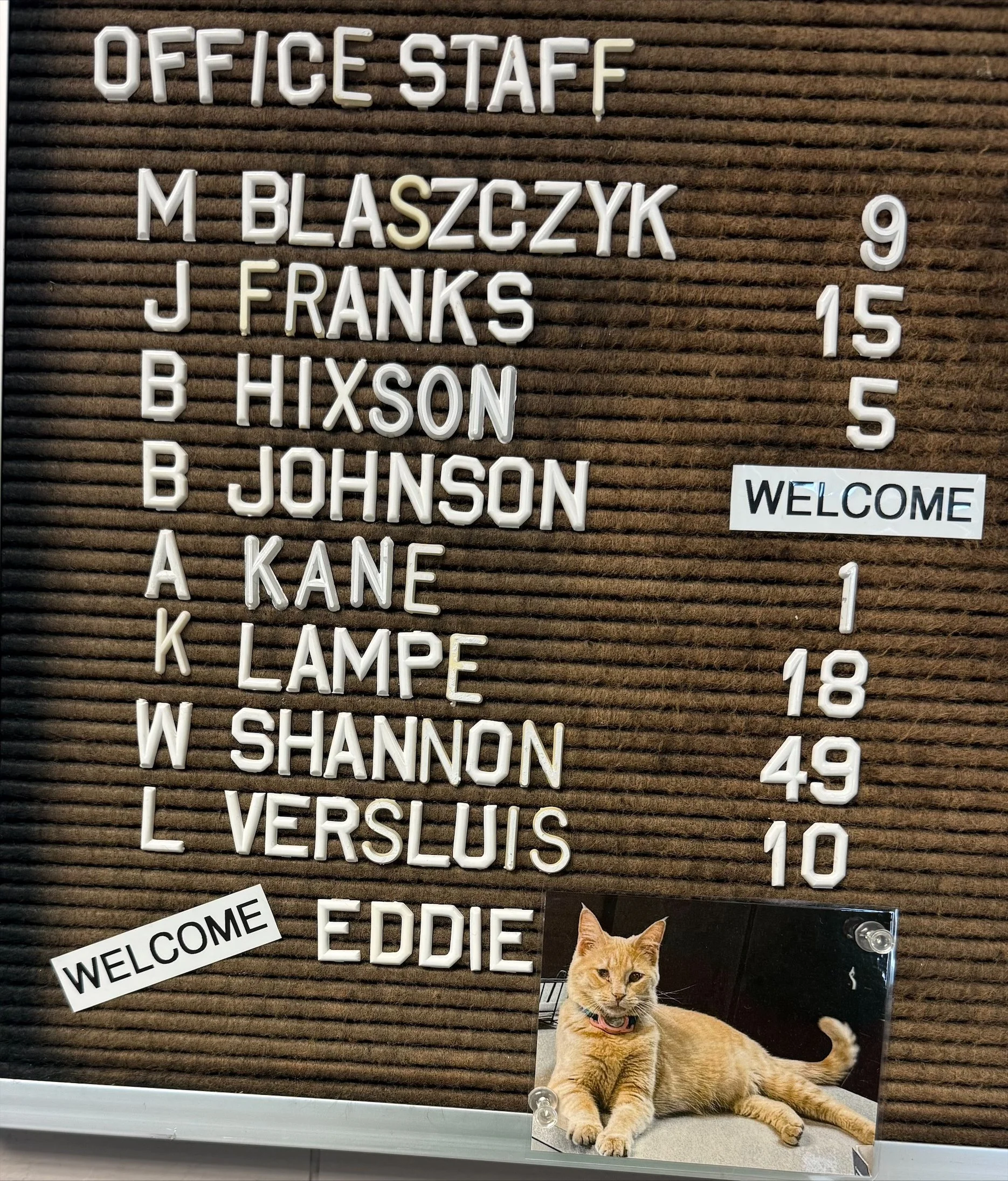
For the team at Wirth, Inc., what started as a lighthearted conversation about bringing a stray cat into the shop soon became something much more meaningful—a forever home for a shelter cat named Edwina.

The Wirth family has long had a soft spot for animals, and shop cats have been part of the business for years. Previous feline "employees" like Dwyer, Michaels, and Lucy became familiar faces around the office.

That history gave employee Avery Kane an idea.

"I had been trying to lure one of the local stray cats into the shop because I knew they'd let it stay," Avery said. "When that wasn't working, I jokingly suggested we should just adopt one from the Humane Society."

The joke quickly turned into a real plan.

After spotting a photo of Edwina on the Henry County Humane Society's Facebook page, Avery and her mother, Britta—Wirth, Inc.'s office manager—headed to the shelter that Friday afternoon to meet her.

Although they spent time getting to know each of the available cats, one stood out.

"It was clear that Eddie was the perfect fit," Avery said.

The adoption experience at the Henry County Humane Society left a lasting impression.

Kim welcomed them to the shelter and introduced them to Edwina, explaining that she was blind in one eye—but that it never slowed her down. If anything, Avery said, it only made the cat more endearing.

After their adoption application was approved the following week, Wirth, Inc. owner Jason Wirth gave his blessing to welcome Eddie to the business. Linda even met Avery early that morning so Eddie could begin her new life before the workday started.

The shelter also sent Eddie home with food, treats, shampoo, and a collar to help make the transition easier.

"Everyone was so friendly and helpful," Avery said. "The shelter was clean, welcoming, and well cared for. We couldn't have asked for a better adoption experience."

Like many adopted pets, Eddie needed a little time to settle into her new surroundings. After about a week, however, she made herself completely at home.

Today, she has fully embraced her role as Wirth, Inc.'s unofficial shop supervisor.

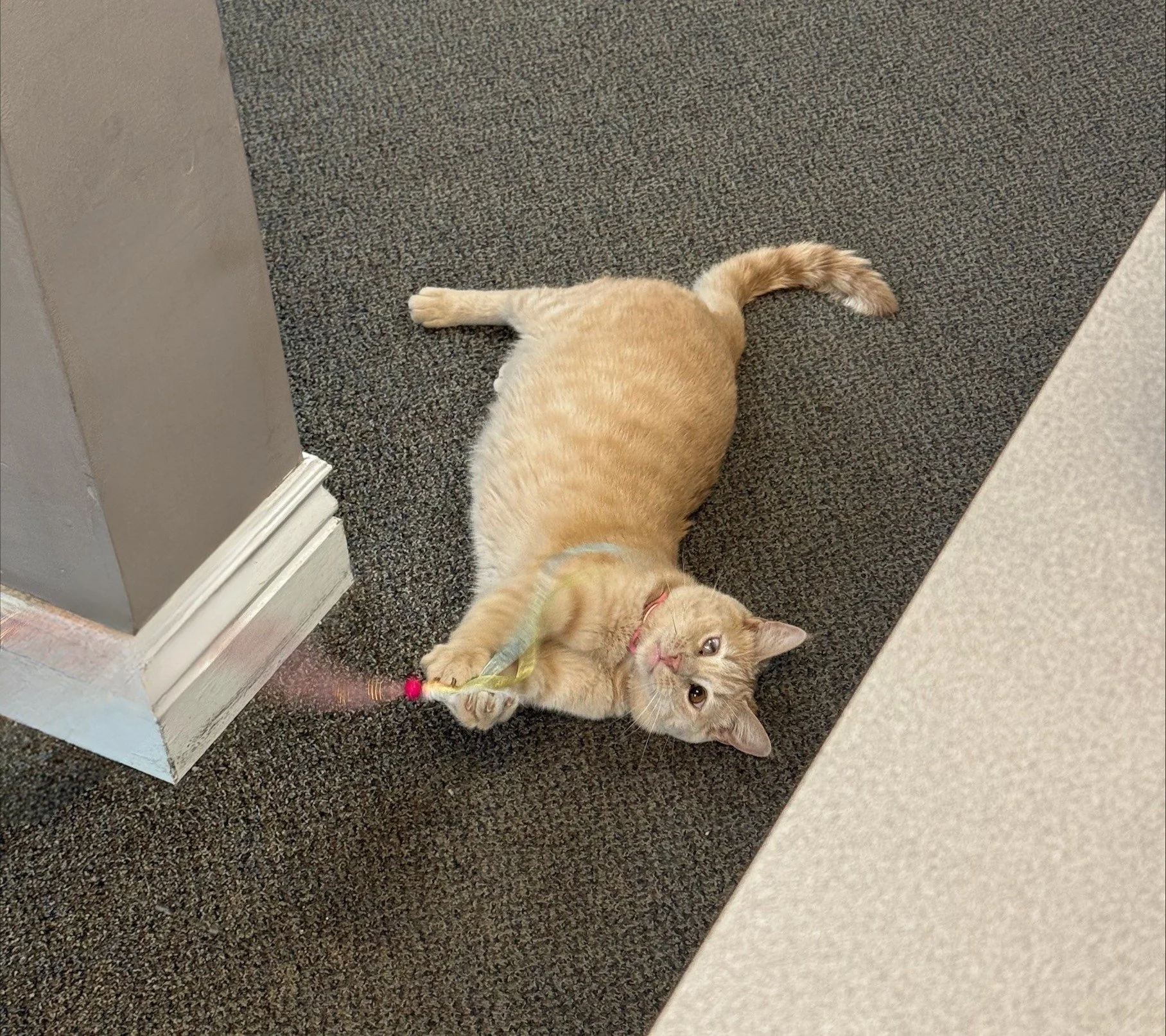
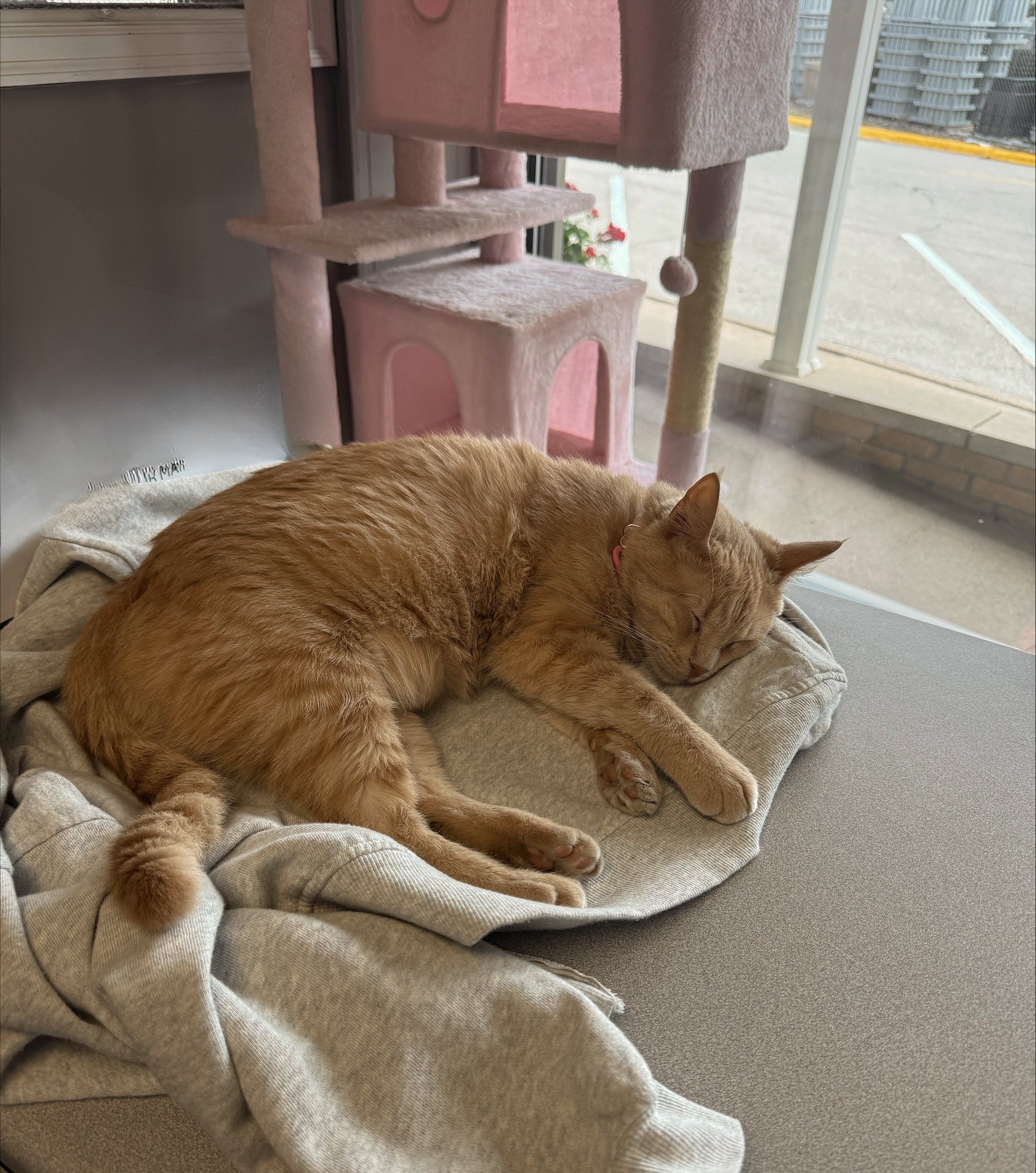
She spends her days racing through the building, chasing toys, greeting employees and customers, curling up for naps, and making sure she receives plenty of attention from everyone she meets.

"She runs the place—and she knows it," Avery said with a laugh.

With her playful personality and affectionate nature, Eddie has become the perfect blend of sass and sweetness.

"She's the Queen of the Wirth, Inc. castle, and she brings us so much joy."

Her story is also a reminder of the difference adopting a shelter pet can make. A cat once waiting for a family has found not only a forever home, but a workplace full of people who adore her.

For the staff at Wirth, Inc., adopting Eddie wasn't simply adding another shop cat.

It was welcoming another member of the family.

Coming Soon: The Next Issue of The Current Scene

The next edition of The Current Scene is headed to mailboxes soon, and it's filled with local stories, fascinating history, practical homeowner tips, and community features you won't find anywhere else.

Here's a preview of what's inside:

  • 🐎 Feature: Unbridled Spirits – Thoroughbred Retirement Ranch

  • ❤️ GIFT Geneseo Community Foundation

  • 🏫 The History of the Central Schoolhouse

  • 🎶 The Story Behind the Central Bank Pavilion

  • 🌺 Summer Curb Appeal

  • 🐷 More Than Mud: What It's Really Like to Own Pet Pigs

  • 🔧 What Homeowners Forget to Maintain

  • 🌳 The Suburban Backyard

  • 💧 Why Some Yards Flood

  • 🛠️ Skills Kids Need Now (That Tech Doesn't Teach)

  • 🤝 Teaching Kids to Handle Conflict

  • 🎒 What the PTA Actually Does

  • 📚 What Geneseo School District's Five-Year Plan Means for Families

  • 🐾 Keeping Pets Safe in the Heat

  • 🍓 Seasonal Recipes

  • 🎨 Kids Page

Whether you're interested in local history, home improvement, parenting, gardening, pets, or simply discovering more about the community we call home, there's something for everyone in this issue.

The Current Scene is mailed free to thousands of Geneseo households and is made possible by the support of our local advertisers. We hope you'll enjoy another edition dedicated entirely to celebrating, informing, and connecting our community.

📬 Watch your mailbox—the next issue arrives soon!

Letter to the Editor: Quality of Life Is Worth Protecting

One of the reasons so many people choose to live in Geneseo is because of its quality of life. We take pride in our neighborhoods. We enjoy our parks, our downtown, and our sense of community. We want Geneseo to remain a place where families want to put down roots.

That doesn't happen by accident. Communities maintain their quality of life by recognizing problems and being willing to address them—even when the solutions aren't easy. The growing feral cat population is one of those issues.

For some residents, it's cats living under decks or in outbuildings. For others, it's flower beds being used as litter boxes, damaged property, late-night fighting, or concerns about wildlife. Those are legitimate concerns that deserve solutions.

One thing that's become clear through recent conversations is that there isn't a simple answer.

The Henry County Humane Society cannot simply take over and fix the issue. They have said that operating a Trap-Neuter-Return program is beyond its current capacity and resources.

If the City chooses to move forward with a community TNR program, it won't happen overnight. Information I’ve found suggests it could require 12 to 20 volunteers, hundreds of volunteer hours each year, and thousands of dollars to make a meaningful impact. The greatest effort would be required during the first couple of years before the population begins to decline.

Residents can disagree about the best way to address the feral cat population. But doing nothing isn't a plan. Left unchecked, the problem will become more difficult and more expensive to address as colonies double in size every year or two.

Geneseo has earned its reputation as a wonderful place to live. Preserving that reputation means facing difficult issues with practical solutions, realistic expectations, and a willingness to invest in the future of the community.

- Laura Bennett

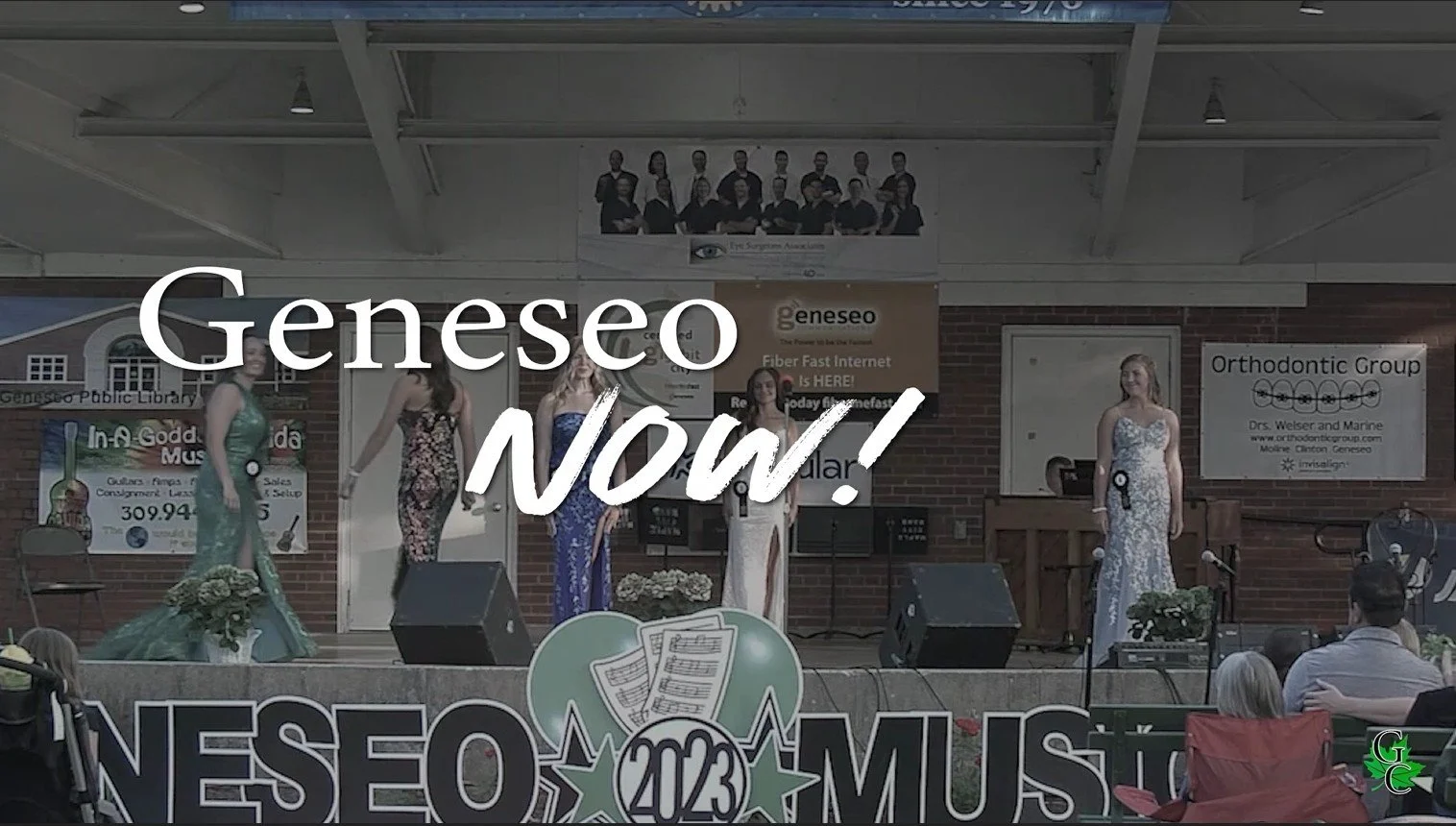
Letter to the Editor: Keep the Spirit of Music Fest Alive

For the past five years, my husband and I have traveled from Florida to attend Geneseo's Father's Day Music Fest, where our grandchildren perform. It has become one of the highlights of our year—not just because of their performances, but because of what this event means to the young people in your community.

The Music Fest is far more than entertainment. It gives children the opportunity to set goals, practice for months, perform before an appreciative audience, and develop confidence, poise, and discipline. For many participants, including homeschooled students, these opportunities are invaluable.

The festival also showcases the very best of Geneseo. Visitors experience a welcoming community that celebrates its youth, values the arts, and preserves the traditions that make small-town America so special.

I sincerely hope the Father's Day Music Fest and childrens' performances remain a cherished part of Geneseo's future. It enriches young lives, strengthens community pride, and creates memories that families like ours treasure every year.

- Susan Harris

Letter to the Editor: Geneseo, Let’s Make This 4th of July Unforgettable!

This year marks America’s 250th birthday — the Semiquincentennial — and we have a chance to show our kids what real community pride and patriotism look like.

Are you old enough to remember 1976? Flags waving on nearly every house, red, white, and blue everywhere you looked, even a car painted like the American flag. Towns glowed with love for our country. Let’s bring that magic back for our littles — so they can grow up knowing what it feels like to celebrate America with joy and unity.

This is our call to action:

If you live in Geneseo, Atkinson, or the surrounding area, if you own a home, rent a house, run a business, have a farm field, or have a front yard — decorate it!

  • Hang the Stars and Stripes

  • Put out red, white, and blue lights, banners, bows, and flowers

  • Get creative — bunting, yard signs, window decals, even a festive mailbox!

  • Bonus points if you go all out as our neighbors did in ’76

We want our kids driving through town on the 4th to say, “Wow… look at all the flags!” Let’s fill Geneseo with color, pride, and patriotism so strong they’ll remember it for the rest of their lives.

We may not have official decorating contests or big events from the Chamber this year, but we don’t need permission to show up for our country. This is something every single one of us can do — together.

Start decorating this weekend. Take pictures. Share them with the hashtag #Geneseo250 or #GeneseoProud. Let’s flood our town with red, white, and blue and give our children a memory worth keeping.

Let’s make Geneseo shine brighter than ever this Independence Day.

God Bless America — and God Bless Geneseo!

- Brandy Stockton

Geneseo Exploring Potential Trap-Neuter-Return Program as Officials Evaluate Feral Cat Population Concerns

by Sarah DeMaranville

Feral cats have become a growing topic of discussion in Geneseo, where residents, city officials, animal welfare advocates, and property owners are grappling with a complicated question: How should the community manage a population of free-roaming cats that many agree exists, but few agree on how to address?

The City of Geneseo and the Geneseo Police Department recently confirmed that conversations are underway with Henry County and the Humane Society regarding possible long-term solutions.

"The City of Geneseo and the Geneseo Police Department are actively engaged in discussions with Henry County and the Humane Society to explore a sustainable, humane approach to managing the local feral cat population, including the potential implementation of a Trap-Neuter-Return (TNR) program."

While no local TNR program has been formally adopted, city officials say they are evaluating whether such a program could provide a structured approach to managing feral cat colonies within city limits.

Trap-Neuter-Return, commonly known as TNR, is a population management strategy in which feral cats are humanely trapped, spayed or neutered, vaccinated, ear-tipped for identification, and returned to the area where they were found. Earlier this year, Henry County approved an ordinance allowing municipalities to establish their own TNR programs, leaving individual communities responsible for administering and funding them.

Humane Society: Volunteers and Community Support Will Be Critical

The Henry County Humane Society says it currently has approximately 30 kittens either at the shelter or in foster care and is already operating at capacity. While the organization cannot continue taking in unlimited numbers of cats, it works to have every cat that comes through its doors spayed or neutered whenever possible.

The Humane Society estimates there are at least 4 feral cat colonies within Geneseo, underscoring the scale of the issue facing the community. The organization says simply trapping cats without a long-term management strategy is unlikely to reduce the overall population because unsterilized cats continue reproducing.

The organization believes a successful Trap-Neuter-Return program would require a coordinated network of trained volunteers to safely trap, transport, and return cats while helping monitor established colonies over time. It also notes that many community members are already paying out of pocket to have stray cats spayed or neutered and caring for colonies on their own. Expanding those efforts, the Humane Society says, would be essential if Geneseo ultimately establishes a local TNR program.

Why Is the Issue So Complex?

City officials say the discussion extends well beyond the cats themselves. The issue touches on animal welfare, public health, wildlife conservation, neighborhood concerns, and property rights.

Supporters of TNR argue that sterilization provides a humane, long-term way to stabilize and gradually reduce feral cat populations. Others point to concerns about wildlife impacts, disease transmission, nuisance complaints, and the challenges that unmanaged colonies can create.

The City also cautioned that feeding feral cats without a broader management strategy can unintentionally contribute to population growth.

"While often done with the best intentions, unmanaged feeding can inadvertently worsen the situation under current conditions."

Officials noted that stray and feral cats can carry parasites such as fleas and ticks, as well as diseases including rabies and feline leukemia. Property owners have also reported concerns ranging from gardens being used as litter boxes to feeding stations attracting other wildlife, including raccoons, skunks, and rodents.

The city further noted that individuals who regularly feed stray or feral cats may become the animals' caretakers and could be responsible for complying with applicable animal care ordinances. Under the county's ordinance, municipalities would continue to have authority to enforce nuisance ordinances when necessary.

What Happens Next?

At this point, Geneseo has not committed to establishing a TNR program.

City officials say they are continuing to evaluate what would be required before making that decision, including potential partnerships, available resources, and the long-term sustainability of any local program.

The city says its goal is not simply to address today's feral cat concerns, but to develop a framework that balances animal welfare, public health, wildlife protection, and the interests of residents.

"Our goal in exploring a formal TNR framework is to transition from unmanaged situations to a structured program that prioritizes public health, wildlife protection, and animal welfare."

As discussions continue, the conversation is expected to involve residents, volunteers, animal welfare organizations, and local officials. While opinions differ on the best approach, there appears to be broad agreement that unmanaged population growth is not a long-term solution. The question now is whether Geneseo has the community support and resources necessary to build a sustainable program.