
Anna Kreiser, left, registered dietitian/nutritionist at Hammond-Henry Hospital, and Katie Orwig, Hospital Foundation Manager, encourage area men to attend the Men’s Health Morning Series
Read moreVideo: The Current Kitchen - Burger Mac


Dr. Heather Wakefield to join general surgery team at Hammond-Henry
The Board of Directors and Administration are pleased to announce that Dr. Heather A. Wakefield, general surgeon, will join Dr. James Schrier at Hammond-Henry Hospital in Geneseo, beginning September 1.
Read moreGeneseo Evaluating Future of Wind Turbine After Generator Failure
One of Geneseo's municipal wind turbines has been out of service for more than two months after suffering a generator failure, and city officials are evaluating whether to repair, replace or permanently retire the unit.
Director of Electrical Operations Eric Rowold updated the City Council in June, explaining that Wind Turbine #1 has been offline since April 30 because of a generator failure. The city has filed an insurance claim related to the damage.
City staff evaluated the failed generator and identified three possible paths forward:
Replace the generator.
Decommission the wind turbine.
Replace the entire turbine.
Replacing the generator would not be a quick fix. Rowold said the replacement generator would need to be manufactured in Germany, resulting in an estimated six- to nine-month lead time, in addition to what he described as a significant cost.
Despite the turbine being offline, Rowold said the failure is not expected to have a significant impact on the city's current budget. However, Geneseo Municipal Utilities is purchasing additional electricity while the turbine remains out of service.
The city is still awaiting a decision on its insurance claim. Officials have submitted a generator replacement quote from WES Engineering, a partner of Vensys US, to the city's insurance carrier.
At the same time, the city has also requested a quote to decommission the turbine, indicating officials are continuing to evaluate multiple options while awaiting the insurance decision.
No decision has been made on the turbine's future. City officials are expected to revisit the issue at Tuesday’s Committee of the Whole Meeting (7-28-26).
For now, Wind Turbine #1 remains out of service while the city continues evaluating whether repairing, replacing or decommissioning the turbine is the best long-term solution.
Sources: City of Geneseo, Regular Council Meeting – June 9, 2026 Agenda (Director of Electrical Operations Wind Turbine Update); City of Geneseo, Regular Council Meeting – July 14, 2026 Agenda (Capital Planning 26 Projects – 07.14.26).
Carlie Newton-Sanchez Shares How She Is Able to Return to Participate in Transplant Games
Carlie Newton-Sanchez and other local transplant recipients and living donors share inspiring stories of resilience, organ donation, and the 2026 Transplant Games in Denver.
Read moreVorac Pharmacy Purchases Neighboring Downtown Building, Plans Expansion
By Sarah DeMaranville
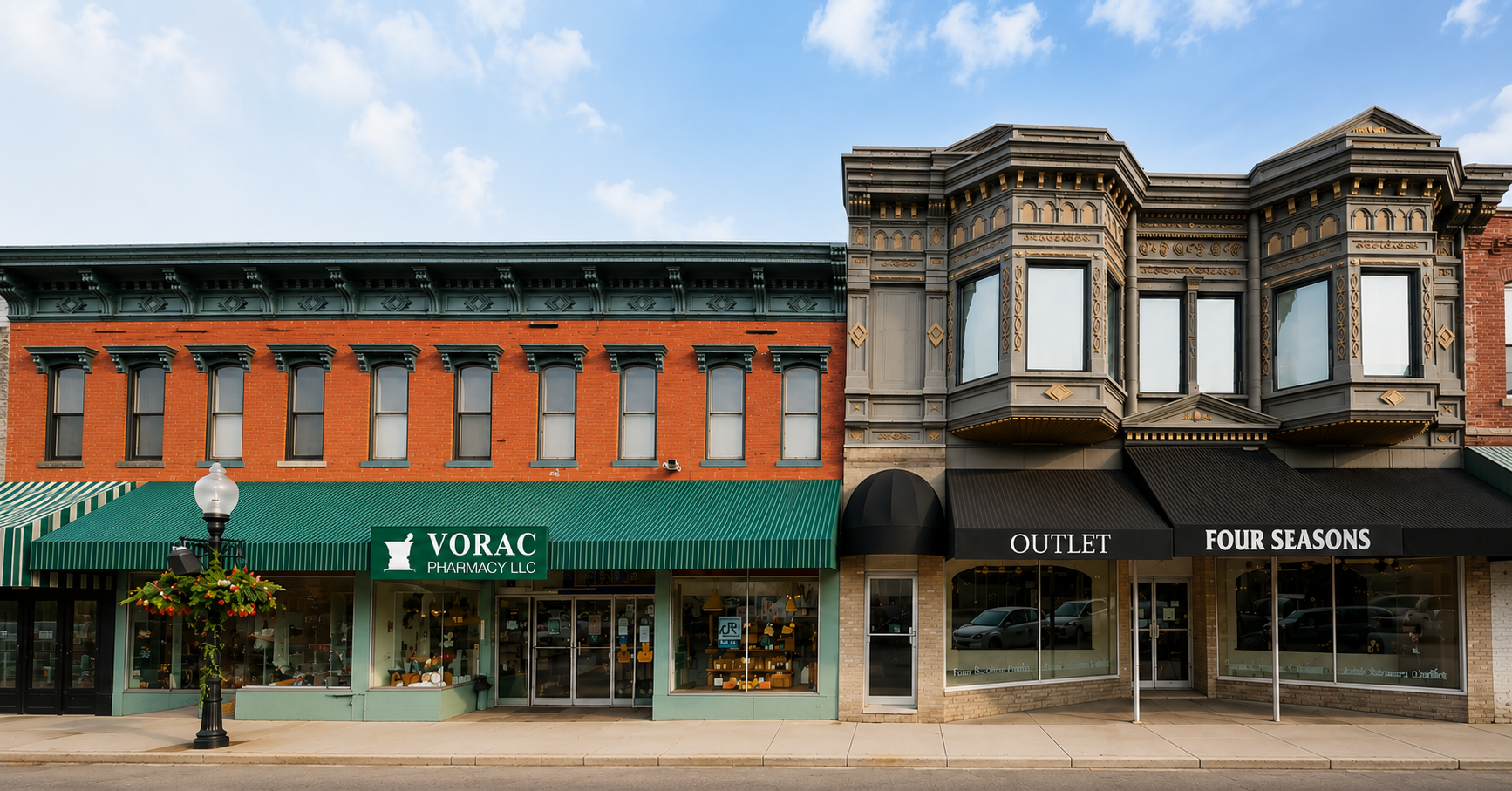
Vorac Pharmacy has purchased the building immediately south of its longtime downtown Geneseo location, a move owner Nathan Vorac says will allow the independent pharmacy to continue growing while remaining committed to State Street for years to come.
The pharmacy, which currently operates at 114 S. State St., has acquired the neighboring property at 110 S. State St. from Springfield Armory. The building was previously owned by GWK Enterprises, home of Four Seasons Direct.
For Vorac, the purchase is more than simply adding square footage—it's part of a long-term vision to expand patient care while ensuring the pharmacy remains rooted in downtown Geneseo.
"As the pharmacy has continued to grow, I knew there was a possibility we would eventually outgrow our current space," Vorac said. "I have never wanted to leave our downtown location, so when the opportunity came to purchase the neighboring building, it made perfect sense."
The project became possible through a partnership with his brother, Jake Vorac, and sister-in-law, Erin Vorac.
"Once my brother Jake and his wife Erin agreed to partner with us, we were off and running," he said. "This investment ensures we'll be able to continue serving our community from downtown Geneseo for years to come."
Planning for the Future
Vorac said the expansion reflects how community pharmacy has evolved over the years.
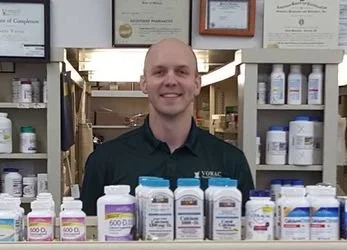
Nathan Vorac, Owner of Vorac Pharmacy
In addition to filling prescriptions, the pharmacy now provides extensive compliance packaging for patients living independently and those in care facilities, services that require specialized equipment and dedicated workspace.
"We also need additional room for private patient consultations and vaccinations," Vorac said. "Expanding into the neighboring building allows us to better serve patients while improving our workflow."
Current plans call for the pharmacy to occupy the entire first floor of the newly acquired building, while Jake and Erin Vorac plan to renovate the second floor into multiple apartments.
Although plans are still in the early stages, Vorac hopes to relocate the pharmacy's retail area into the new building once renovations are complete.
Renovations Still in Early Stages
Significant work remains before construction begins.
"We are currently engaged with architects and contractors to come up with a plan and budget for the work that needs to be done," Vorac said.
Because planning is still underway, customers should not expect immediate changes.
"We are hoping to begin work in a few months, so nothing immediate," he said. "We still have to work out the plans before we can begin construction."
While no new pharmacy services are planned in the short term, Vorac said the additional space will provide flexibility as healthcare continues to change.
"We don't have any immediate plans to introduce new services, but the additional space gives us the flexibility to grow as our patients' needs continue to change," he said. "It also allows us to improve the way we deliver the services we already provide."
The expansion could also create additional employment opportunities as the business grows.
"The additional space positions us well for future growth," Vorac said. "As our patient base continues to expand, we'll have room to hire additional employees without being limited by our current space."
A Commitment to Downtown
For Vorac, the investment is also a reaffirmation of his commitment to Geneseo's downtown business district.
"We aren't going anywhere," he said. "I knew since high school that I wanted to own this pharmacy in my hometown."
Vorac purchased the business from longtime owner Rich McClimon after working alongside him and learning the profession.
"I was fortunate to work for and learn from Rich McClimon before purchasing the business from him," he said. "I hope to continue that tradition for many years to come."
He said the support the pharmacy has received from the community made investing in downtown an easy decision.

"Geneseo has been incredibly supportive of my family and our business, and this investment reflects our commitment to remaining a part of downtown and serving this community well into the future."
Looking ahead, Vorac said his vision remains centered on maintaining the personal relationships that distinguish independent pharmacies from larger chains.
"I want us to continue growing while providing the personalized service our patients have come to expect," he said. "I believe independent community pharmacies can offer a level of care and personal attention that's difficult to match. Our patients choose us because of those relationships, and my goal is to make sure we continue providing that same level of service for many years to come."
Ultimately, Vorac said the project is about improving the patient experience while contributing to the continued vitality of downtown Geneseo.
"Our goal isn't simply to have a larger building," he said. "It's to create a better experience for our patients and provide our staff with the space they need to continue delivering the level of care our community expects from us. We hope we can contribute to the continued success of the downtown area while allowing us to better serve our patients for many years to come."

10-Year-Old Geneseo Girl Dies Following Missouri Crash
A 10-year-old girl from Geneseo, Illinois, died following a three-vehicle crash in Laclede County, Missouri, on July 24, according to the Missouri State Highway Patrol. The Geneseo Current is reporting only confirmed information while respecting the family's privacy during this difficult time.
Read moreInside Project Big River – Part 2 — Safety, Risks & Emergency Planning: What Could Go Wrong, and How Would Henry County Prepare?
One of the biggest reasons the Henry County Board approved a one-year moratorium on new carbon sequestration projects, however, wasn't about how the technology works: It was about public safety.
County officials have repeatedly said they want more time to understand potential risks, develop emergency response plans, and ensure first responders are prepared before additional projects move forward.
So what exactly are those risks?
Carbon dioxide can be dangerous
One of the biggest misconceptions is that carbon dioxide (CO₂) is toxic like chlorine or ammonia. It isn't.
CO₂ is a naturally occurring gas. Humans exhale it every time they breathe, and plants use it during photosynthesis.
The danger comes when large amounts of carbon dioxide displace oxygen. That makes CO₂ an asphyxiant.
Instead of poisoning the body, it reduces the amount of oxygen available to breathe. When oxygen levels become too low, the brain and other organs can no longer function normally.
Why carbon dioxide behaves differently than natural gas
Many people compare carbon dioxide pipelines to natural gas pipelines, but the gases behave very differently.
Natural gas is lighter than air. So when it’s released outdoors, it generally rises and disperses into the atmosphere.
Carbon dioxide, on the other hand, is about 1½ times heavier than air.
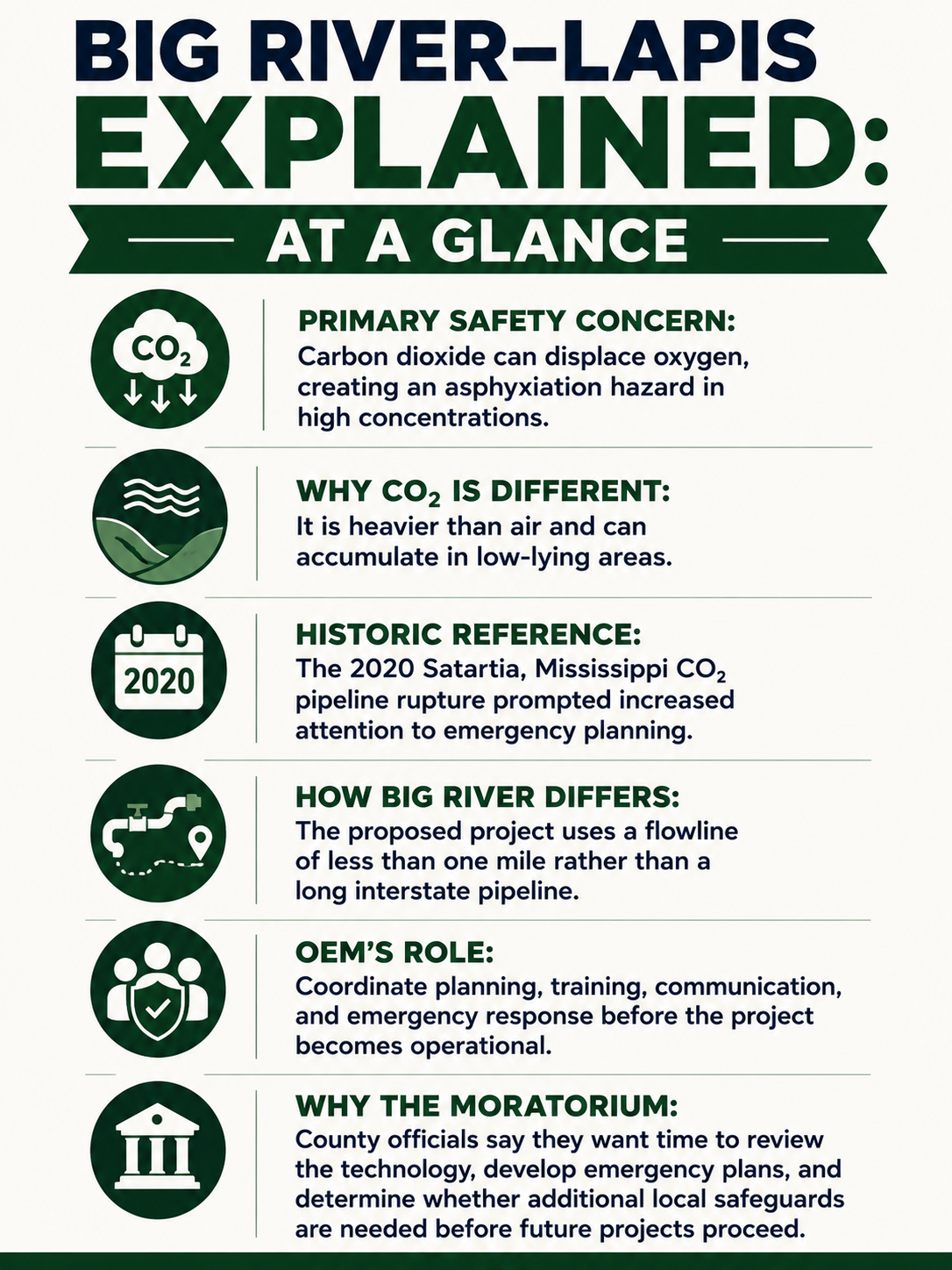
So when CO₂ is released in large quantities, it tends to sink and collect in low-lying areas such as:
Ditches
Creek beds
Culverts
Basements
Low spots in fields
Depressions in the landscape
Weather conditions can also affect how long the gas remains concentrated before dispersing.
Because carbon dioxide is colorless and odorless, people may have no warning that oxygen levels are dropping.
What happens if someone is exposed?
The effects depend on both the concentration of carbon dioxide and the length of exposure.
Early symptoms may include:
Headache
Dizziness
Shortness of breath
Confusion
Increased heart rate
As oxygen levels continue to fall, symptoms can progress rapidly to:
Difficulty walking
Impaired judgment
Loss of consciousness
Suffocation due to oxygen deprivation
Unlike smoke or natural gas, there may be no visible cloud or odor alerting someone to the danger. Animals can also be affected.
Can carbon dioxide stop vehicles?
Yes, a concentrated cloud of cardon dioxide can stall a vehicle. Internal combustion engines require oxygen to burn fuel.
If a vehicle enters an area where oxygen has been displaced by highly concentrated carbon dioxide, the engine may stall because combustion cannot continue.
This possibility is one reason emergency planners study carbon dioxide releases differently than many other industrial incidents.
A stalled emergency vehicle could delay rescue efforts if responders entered an area with elevated CO₂ concentrations before conditions were fully assessed.
The incident that changed the conversation
Much of today's discussion about carbon dioxide safety references a single event.
On February 22, 2020, a carbon dioxide pipeline ruptured near Satartia, Mississippi. The release created a dense cloud of carbon dioxide that settled into low-lying terrain.
Residents reported difficulty breathing, confusion, dizziness, and loss of consciousness. Some people became disoriented while attempting to drive away.
According to investigations by the Pipeline and Hazardous Materials Safety Administration (PHMSA), dozens of people were treated by emergency responders, and approximately 45 people were transported to hospitals. Several vehicles reportedly stalled after entering the oxygen-deficient area because their engines could no longer sustain combustion.
The incident prompted additional scrutiny of carbon dioxide transportation and emergency response planning across the country.
How is the Big River project different?
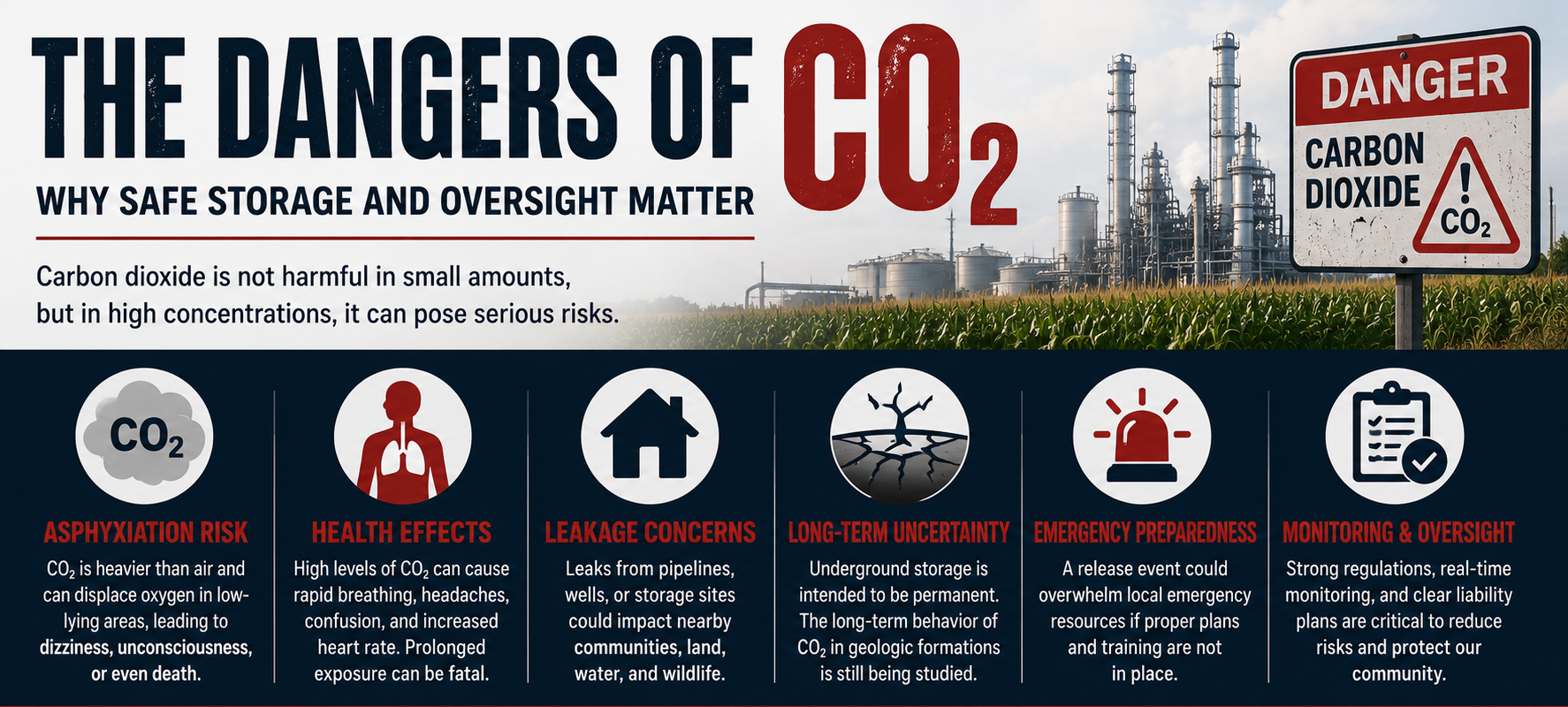
While Satartia is often cited during discussions about carbon dioxide safety, the proposed Big River–Lapis project differs in several important ways.
The Mississippi incident involved a long interstate carbon dioxide pipeline transporting CO₂ across multiple states.
Project Big River would instead use a flowline of less than one mile connecting the Big River Resources ethanol plant directly to a nearby underground injection site.
Because the transportation distance is significantly shorter, supporters argue the project presents a different risk profile than a regional pipeline network.
That doesn't eliminate risk, but it changes the types of scenarios emergency planners evaluate.
Why is Henry County's Office of Emergency Management involved?
Emergency management is responsible for much more than tornadoes and floods.
Henry County's Office of Emergency Management (OEM) coordinates planning for hazardous materials incidents, industrial accidents, transportation emergencies, severe weather, and other events that could require a coordinated multi-agency response.
Even if the likelihood of a carbon dioxide release is considered low, OEM's role is to prepare for the possibility.
County officials have said they want emergency plans in place before any project becomes operational—not afterward.
What kinds of plans are being discussed?
According to Lapis Carbon Solutions, emergency planning includes coordination with Henry County OEM, local fire departments, and other responding agencies.
Planning may include:
Identifying potential release scenarios.
Modeling how carbon dioxide could move under different weather conditions.
Developing notification procedures.
Coordinating evacuation routes if necessary.
Establishing communication between agencies.
Conducting emergency response exercises.
Reviewing specialized equipment needs.
The company has also said it intends to share carbon dioxide dispersion modeling as part of the planning process.
What would first responders train for?
Responding to a carbon dioxide incident differs from responding to a fire.
Training could include:
Recognizing symptoms of oxygen-deficient environments.
Using atmospheric gas monitoring equipment.
Establishing exclusion zones.
Identifying areas where CO₂ may accumulate.
Coordinating rescues without exposing responders to unnecessary risk.
Communicating protective actions to the public.
Working within the county's Incident Command System alongside fire, EMS, law enforcement, and emergency management.
The goal is to ensure responders know how to safely assess conditions before entering an affected area.
Why did the County Board approve a moratorium?
County officials have emphasized that the one-year moratorium is not a permanent ban on carbon sequestration.
Instead, they have said the additional time will allow Henry County to:
Better understand the technology.
Review emergency preparedness.
Evaluate public safety considerations.
Gather technical information.
Determine whether additional local regulations are appropriate.
Supporters of the moratorium say it gives the county time to prepare before additional projects move forward.
Supporters of the project argue that planning and permitting requirements are already extensive and that the Big River proposal's short flowline makes it fundamentally different from large interstate pipeline systems.
Those differing viewpoints are at the center of the ongoing public discussion.
Coming Next: Part 3
In the final installment of this series, we'll examine the debate surrounding Project Big River—why supporters believe it could strengthen the region's agricultural economy, why critics remain concerned about safety and long-term impacts, and how Henry County officials may balance those competing perspectives as the project moves through the permitting process.
City of Geneseo July 28 Committee of the Whole & Special Meeting Preview
Geneseo city officials will hold both a Committee of the Whole Meeting and a Special City Council Meeting on Tuesday, July 28, with discussions ranging from passenger rail and downtown improvements to a proposed amendment to the city's construction noise ordinance.
The Committee of the Whole begins at 6 p.m. in the City Council Chambers and will be followed immediately by a Special City Council Meeting to consider action on the proposed noise ordinance before moving into executive session.
Unlike regular City Council meetings, the Committee of the Whole is primarily intended for discussion and information gathering. While one item is expected to move forward with a recommendation for approval, most of the evening's agenda is scheduled for discussion only.
Passenger Rail Project Update
One of the evening's most anticipated discussions will focus on the Chicago-to-Quad Cities passenger rail project and the proposed Geneseo station.
City Administrator Brandon Maeglin's report says the discussion is intended to provide council members with a comprehensive historical overview of Geneseo's involvement before any future decisions are made regarding city-owned property or participation in the project. Denise Bulat, Executive Director of the Bi-State Regional Commission, is expected to provide the presentation.
The report outlines several milestones in the project:
The City formally endorsed passenger rail service in 2009.
Geneseo purchased the proposed station property in 2017 for $260,000.
The Spring Street railroad crossing closed in 2021 as part of corridor planning.
Illinois Department of Transportation (IDOT) has indicated Geneseo would have design input on a future station and would oversee construction contracting before being reimbursed by the state. Long-term maintenance, however, would become a municipal responsibility under a future intergovernmental agreement.
The report also provides an update on the federal funding situation.
According to city documents, IDOT recently met with the Federal Railroad Administration seeking an extension on the remaining $78 million balance of the original $177 million federal rail grant, which expires July 31. The report states the remaining funds continue to include the proposed Geneseo station within the project's scope.
Because that extension request remains pending, IDOT officials will not attend Tuesday's meeting. The agency has committed to presenting publicly after the federal decision is finalized.
No action is scheduled on the rail discussion.
Wind Turbine No. 1
The Committee will also begin discussing options for Wind Turbine No. 1 following the failure of one of its generators.
According to the agenda, Electric Director Rowold will begin outlining potential options for the City Council regarding how to address the failed generator. No vote is scheduled.
Katsch Boutique Façade Grant
Council members are expected to consider recommending approval of a façade improvement grant for Katsch Boutique, located at 113 N. State Street.
The application seeks up to $5,468.88 in 50/50 matching funds through the City's façade improvement program.
According to the application, the project includes:
Repairing deteriorated façade boards
Repainting the storefront
Replacing a worn striped awning
Repairing deteriorating wood
Updating front window vinyl lettering
The total project is estimated at $10,937.75, with the goal of creating "a new, vibrant and attractive exterior."
Special Meeting to Consider Construction Noise Ordinance
Immediately following the Committee of the Whole meeting, the City Council will convene a Special City Council Meeting to consider Ordinance O-26-13, which would amend the City's loud and unnecessary noise ordinance.
Currently, construction work and the operation of loud machinery in residential areas are prohibited between 10 p.m. and 7 a.m.
The proposed amendment would keep the 7 a.m. start time as the standard, but create an exception allowing construction associated with city-issued building permits to begin at 6 a.m. between June 1 and September 30 in residential areas.
According to the agenda report, the proposal follows recent complaints about early morning construction activity. City staff note that 6 a.m. starts have historically been common during the summer months, allowing construction crews to avoid extreme afternoon heat while improving worker safety and productivity. Staff said the amendment is intended to balance those operational needs with the peace and quiet of residential neighborhoods.
Following consideration of the ordinance, the Council is scheduled to enter executive session to discuss pending or probable litigation before returning to open session and adjourning.
Bills Total More Than $233,000
Council members are also scheduled to review and approve approximately $233,236.70 in city and utility bills.
The largest category is Electric at $157,830.60, followed by Public Safety at $23,599.60, Health Insurance at $9,846.02, and Streets at $8,941.84.
Public comment will be accepted at both meetings for agenda items, with additional public comment available near the end of the Committee of the Whole meeting. Under City ordinance, speakers are limited to three minutes.
The Current Kitchen Debuts Monday, Bringing Local Flavors and Familiar Faces to the Screen
The Current Kitchen premieres Monday, July 27, at 5 p.m., inviting viewers into the kitchen for recipes, cooking tips, and conversations with the people who make the local food scene unique.
Read moreBullying in Geneseo Schools: What District Policy, State Law, and Local Data Show
By Sarah DeMaranville
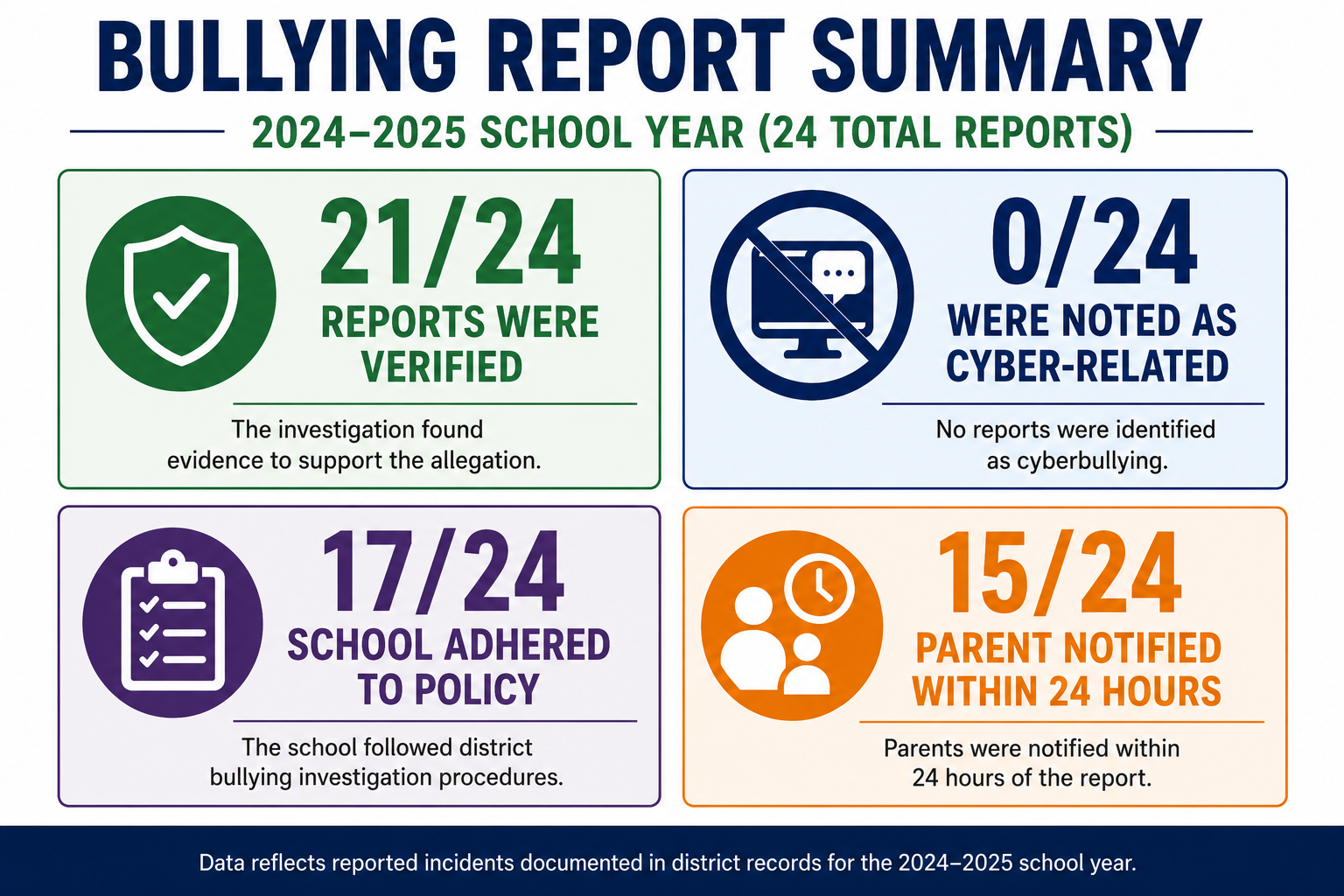
Geneseo Community Unit School District #228 documented 24 bullying-related reports during the 2024–2025 school year, according to records submitted to the Illinois State Board of Education. Twenty-one of those reports were ultimately recorded as verified allegations.
The reports, obtained through district records, provide a snapshot of where bullying complaints occurred, the types of allegations involved, and how the district documented investigations and parent notification requirements.
While the reporting forms do not describe individual incidents or measure the overall climate within the schools, they offer a closer look at how bullying complaints are handled locally.
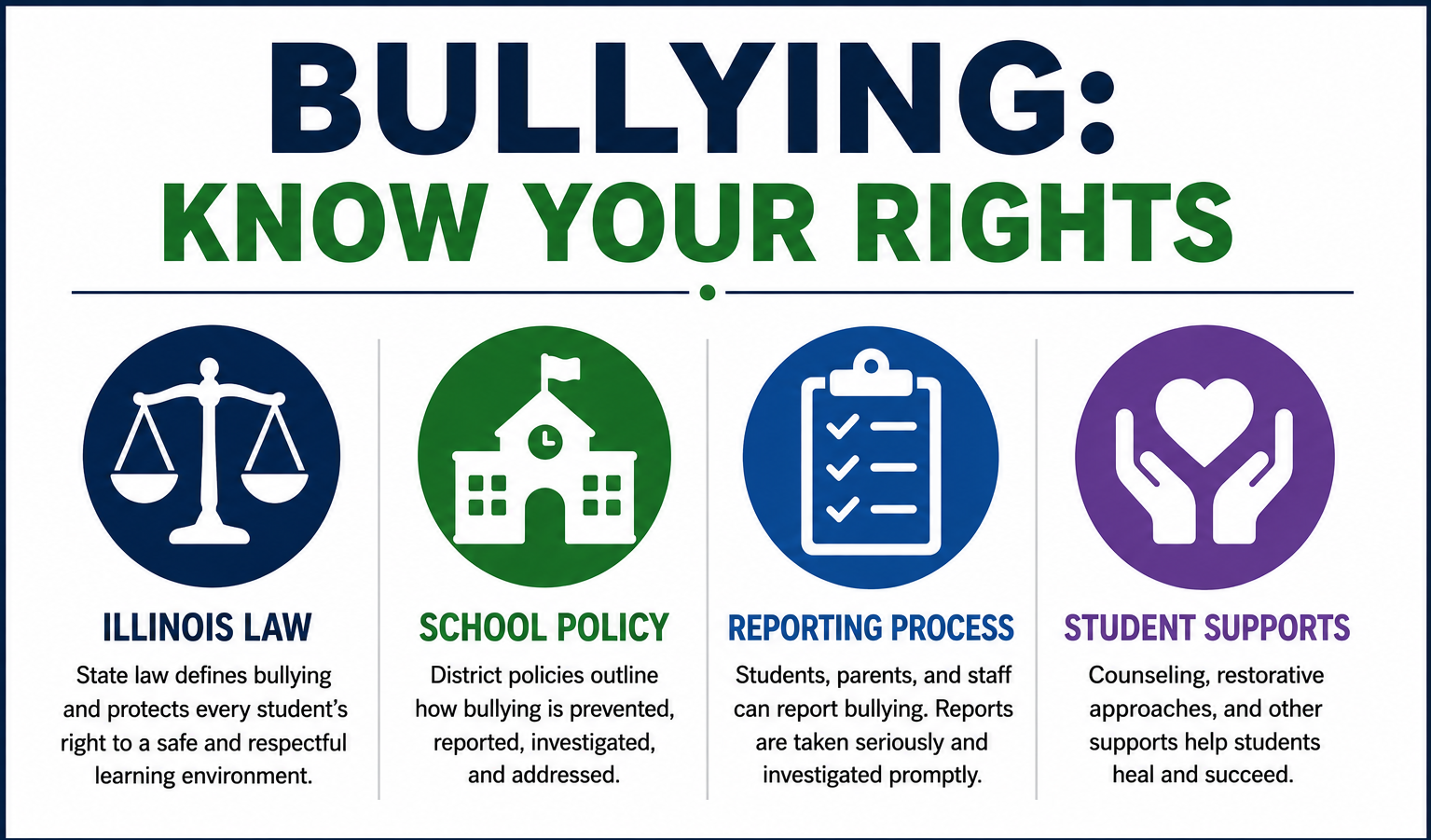
Illinois law requires every public school district to maintain a bullying prevention policy, investigate reports, and establish procedures for reporting incidents. Geneseo Community Unit School District #228 implements those requirements through Board Policy 7:180, which outlines how reports are investigated, how families are notified, and what interventions may be used.
District Superintendent Dr. Laura Delgado said creating a safe learning environment remains one of the district's highest priorities:
"In the Geneseo School District, it is our absolute priority to ensure every student feels safe, respected, and valued at school. Bullying is an issue that every school district in America faces to some degree, and ours is no exception. In our schools, we take every report of bullying seriously and are committed to addressing concerns promptly, fairly, and with compassion. A shared goal among our staff, students, families, and community is to provide learning environments that foster a sense of community, safety, and care. Creating that kind of culture requires all of us working together, and it remains one of our highest priorities."
Here's a closer look at what the district's records show, what Illinois law requires, and what parents should know.
What do Geneseo's records show?
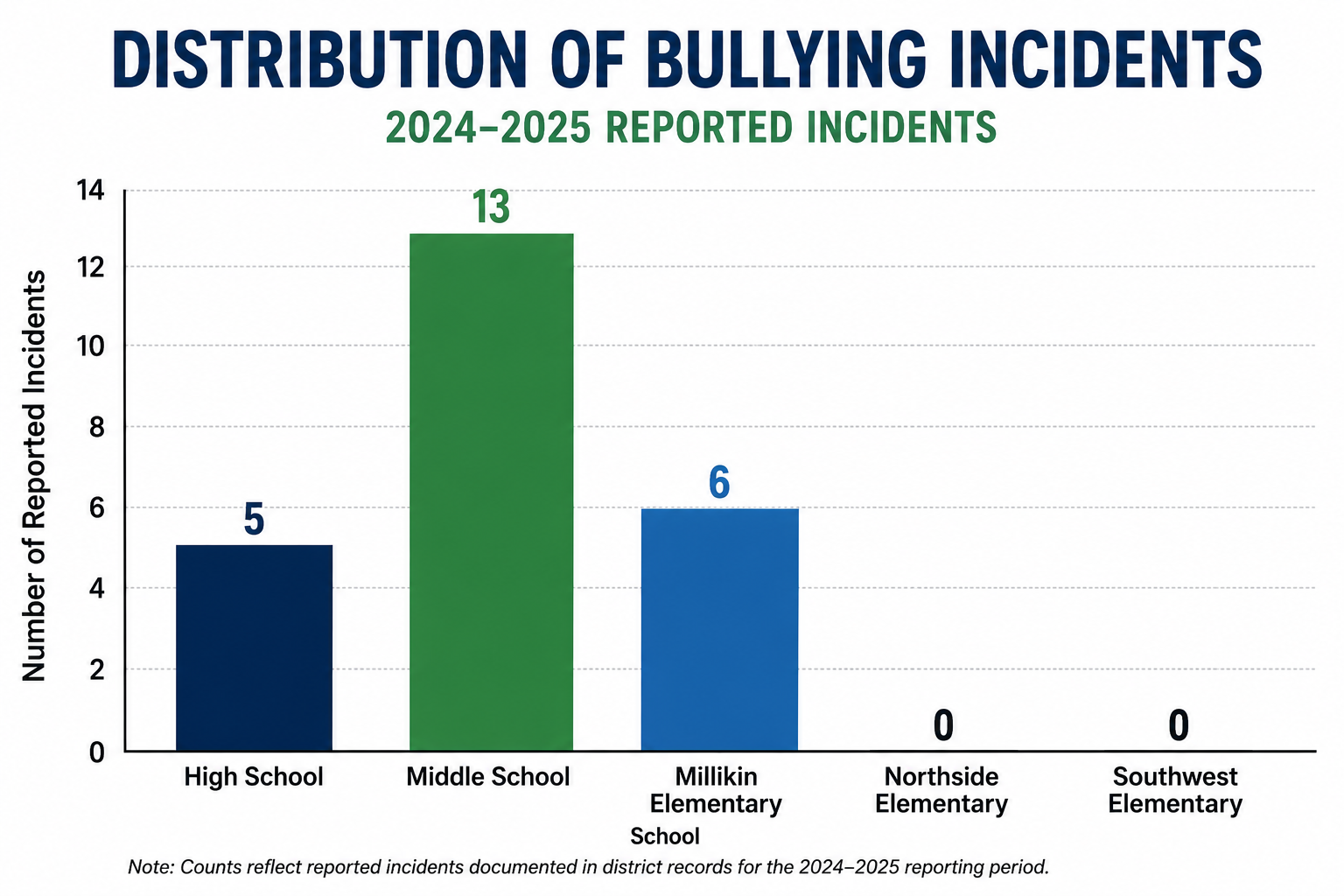
For the 2024–2025 school year, district records document 24 reported bullying-related incidents. Of those reports, 13 occurred at Geneseo Middle School, six at Millikin Elementary School, five at Geneseo High School, and none at Northside or Southwest Elementary Schools.
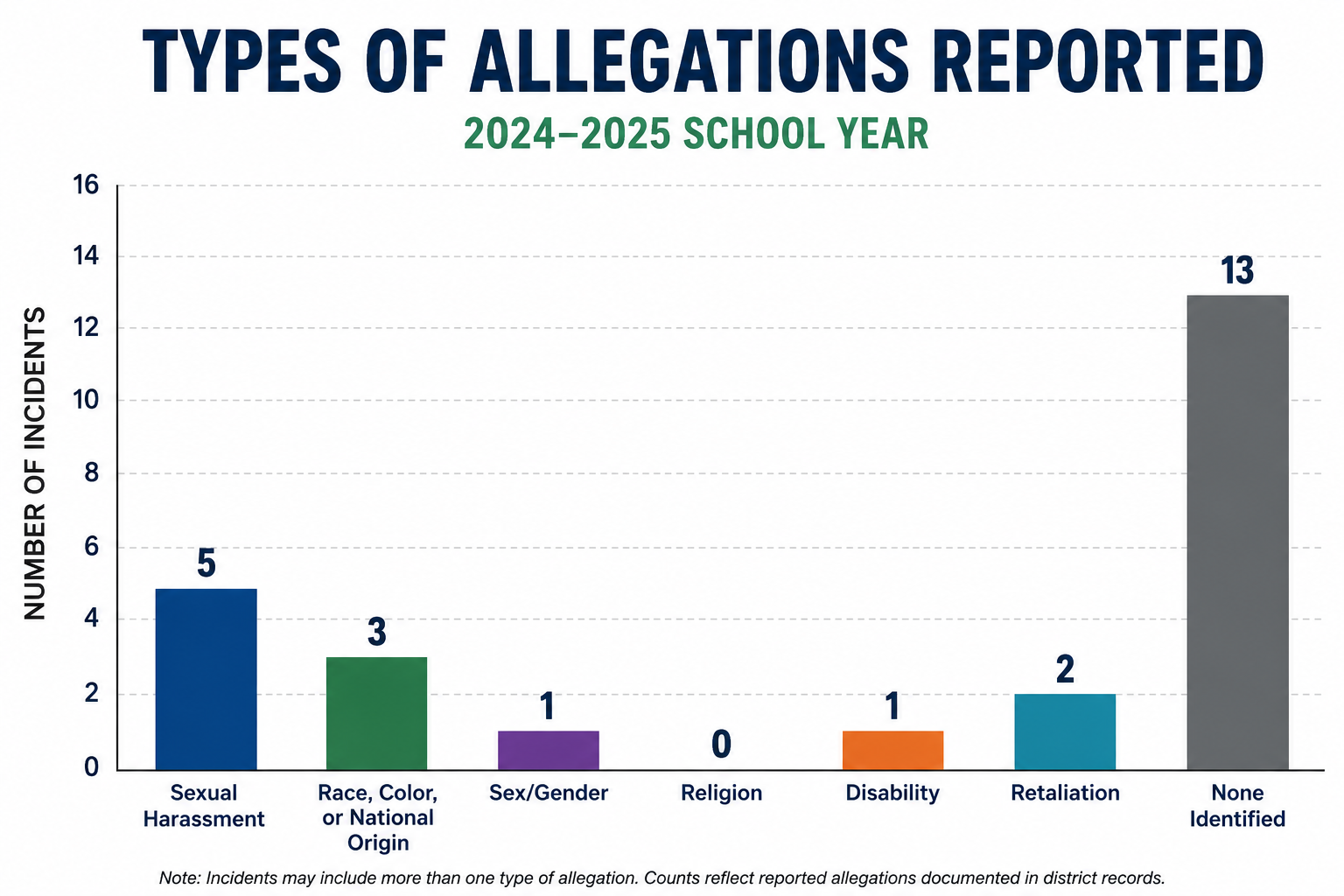
The district's reporting forms also categorize the types of allegations associated with each report. Thirteen reports did not identify a protected-category allegation. Among those that did, the most commonly reported allegation involved sexual harassment (five reports), followed by race, color, or national origin (three), retaliation (two), disability (one), and sex or gender (one). No reports listed religion as the alleged basis.
District records further indicate that 21 of the 24 reports were verified allegations. None were identified as cyber-related. Seventeen reports were marked as adhering to district bullying policy, and 15 documented parent notification within 24 hours.
What is bullying under Illinois law?
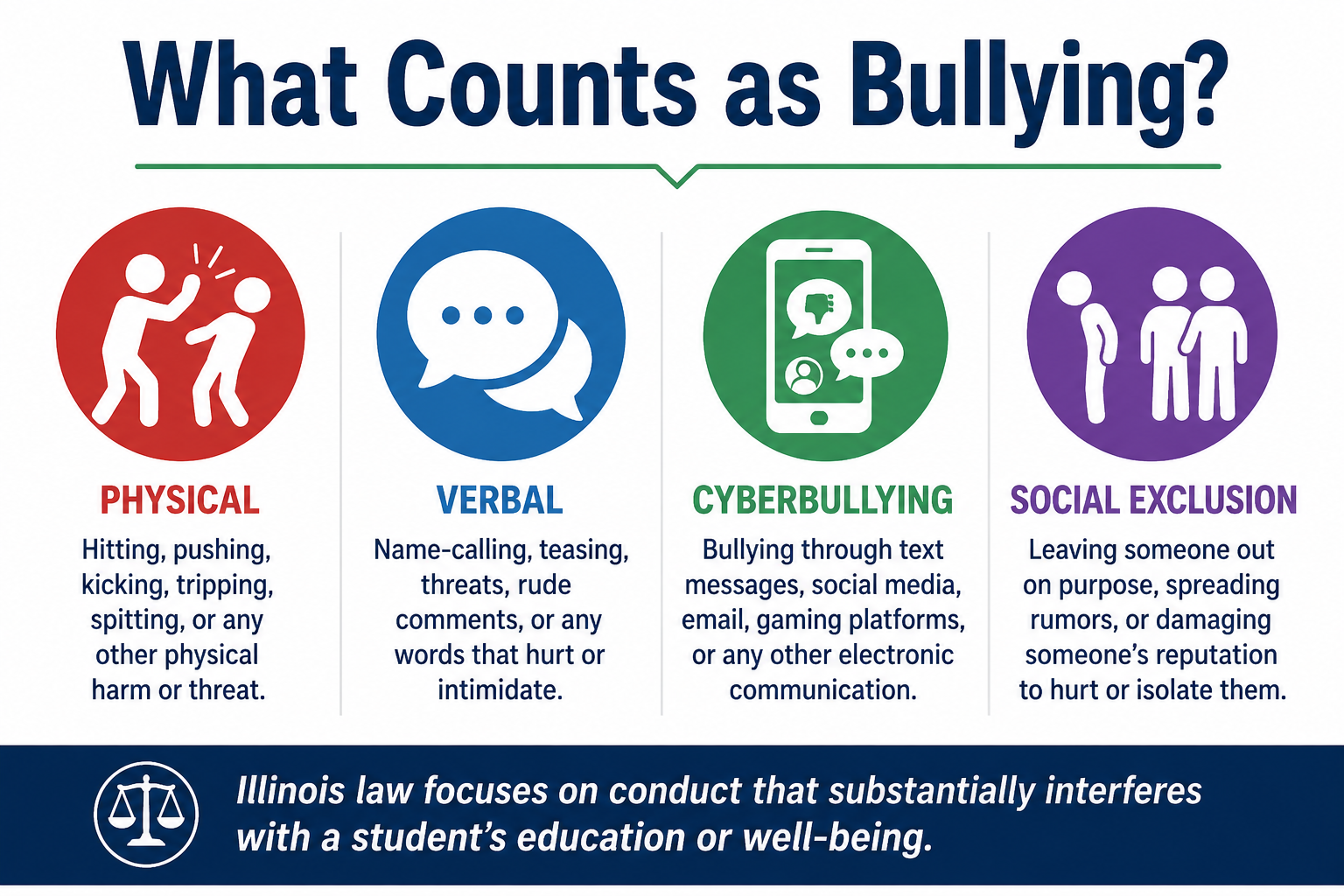
Illinois law defines bullying as severe or pervasive physical or verbal conduct—including written or electronic communications—that can reasonably be expected to:
Place a student in reasonable fear of harm.
Cause a substantially detrimental effect on a student's physical or mental health.
Substantially interfere with academic performance.
Substantially interfere with a student's ability to participate in or benefit from school services or activities.
The definition includes cyberbullying, meaning behavior through text messages, email, social media, online gaming, websites, blogs, or other electronic communication.
Illinois law also allows schools to address certain off-campus conduct if it substantially disrupts the educational process or orderly operation of a school. Importantly, the law does not require school employees to monitor students' personal devices or social media. Instead, administrators may investigate after receiving a report.
What does Geneseo's policy say?
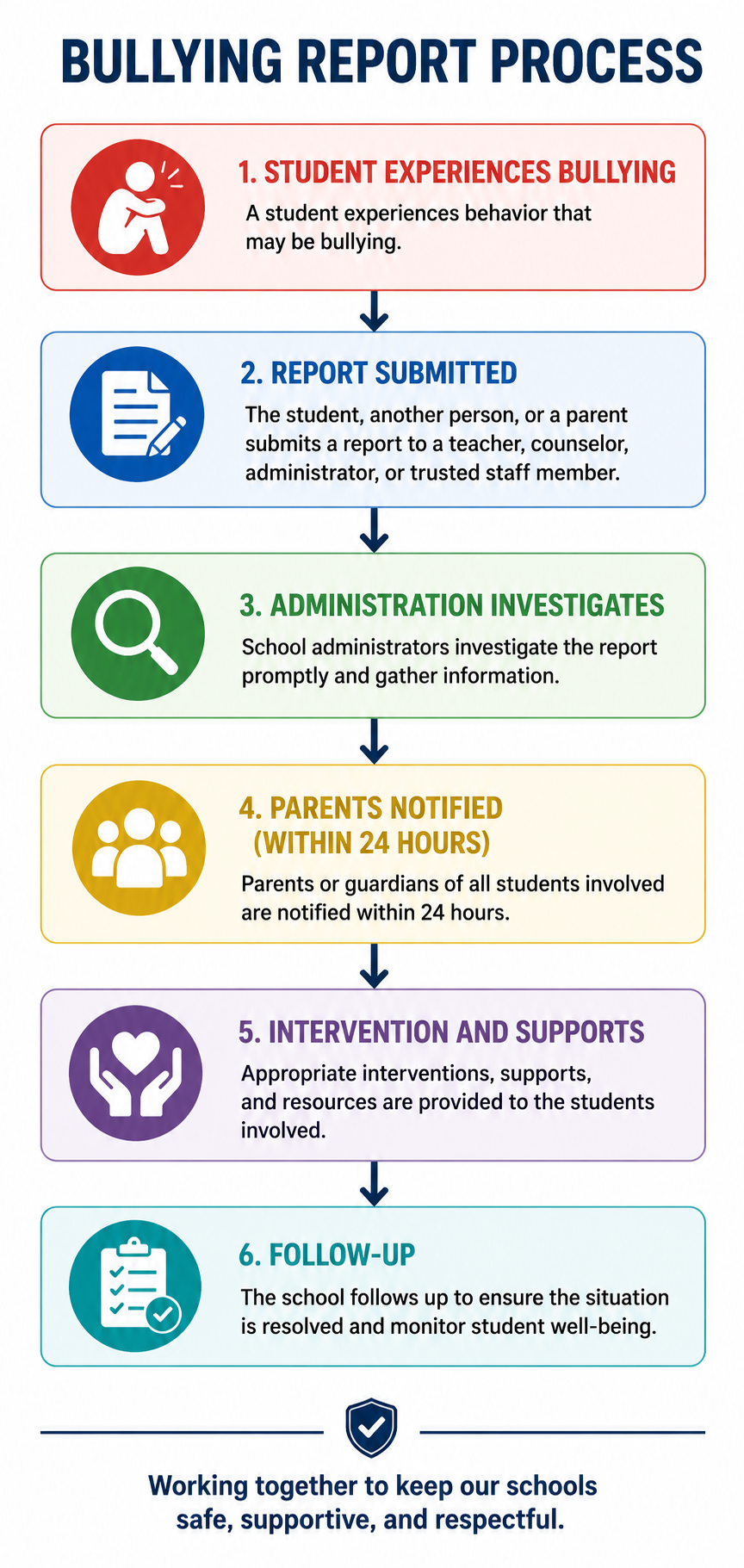
Board Policy 7:180 prohibits bullying, intimidation, harassment, and hazing and encourages students, parents, volunteers, and staff members to report suspected incidents. Reports may be made verbally or in writing to administrators or any trusted staff member. Anonymous reports are accepted, although the policy notes anonymous reports alone cannot serve as the sole basis for formal disciplinary action.
Parent notification within 24 hours
The district states that parents or guardians of all students involved in an alleged bullying incident will be notified within 24 hours after administrators become aware of the student's involvement, consistent with state and federal privacy laws.
When appropriate, families are also informed about counseling, school psychological services, restorative measures, and other available interventions.
Investigations
The policy directs administrators to:
Begin investigating promptly.
Make reasonable efforts to complete investigations within 10 school days.
Notify the building principal as soon as possible.
Meet with parents to discuss investigation findings and actions taken.
Provide information about available support services for affected students.
Prevention and intervention
Rather than relying solely on discipline, the policy emphasizes interventions such as:
Social work services
Counseling
Restorative measures
Social-emotional skill development
Community-based services
Retaliation against anyone who reports bullying or participates in an investigation is prohibited.
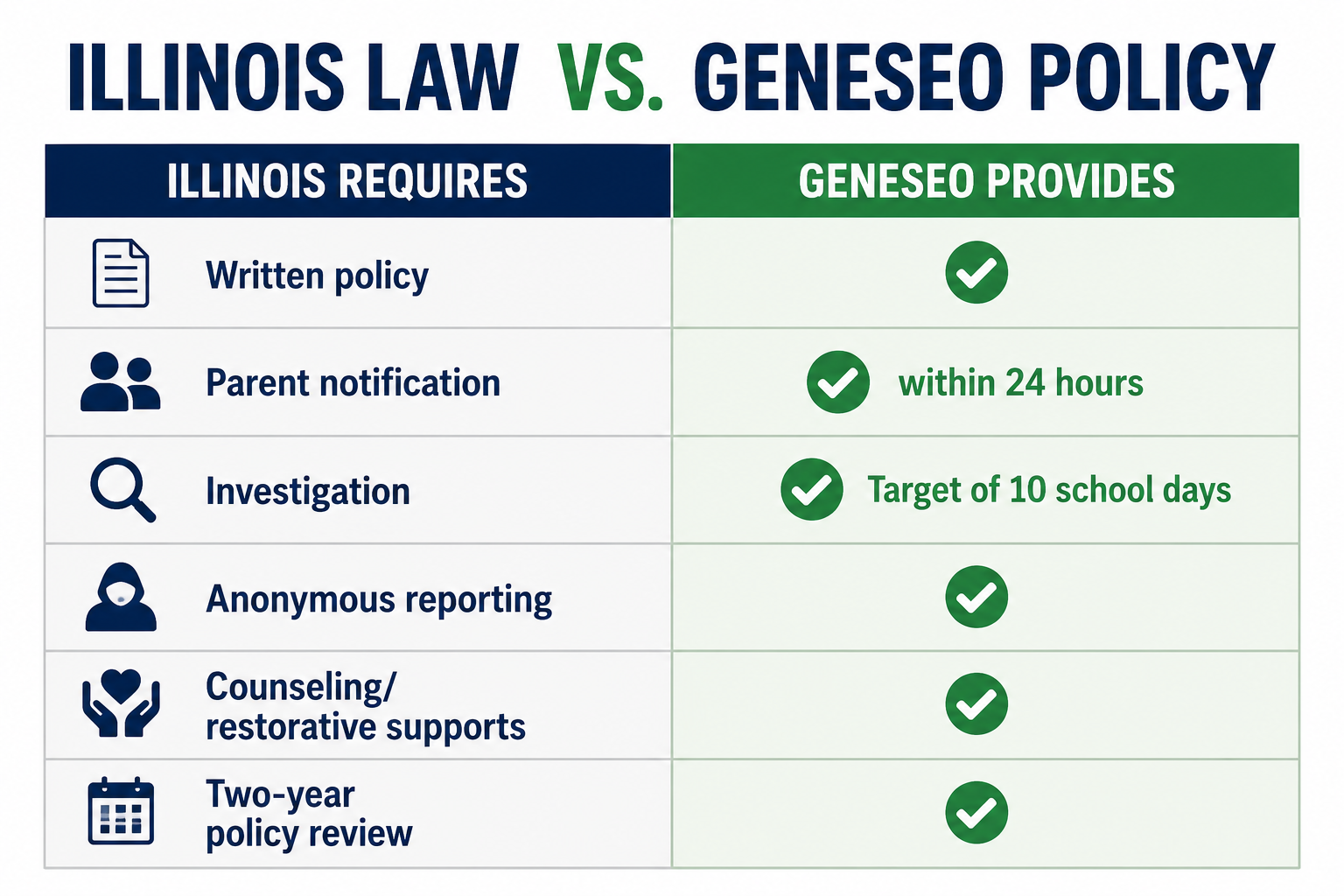
The Board of Education must also formally review the bullying policy every two years, evaluating information such as:
Frequency of victimization
Student, family, and staff perceptions of safety
Locations where bullying occurs
Types of bullying
Bystander intervention
Those review results must ultimately be submitted to the Illinois State Board of Education.
Reporting bullying
Students and families can generally report bullying to:
Teachers
Principals
Assistant principals
School counselors
Other trusted staff members
Anonymous reports are also accepted.
Once a report is received, administrators determine whether the reported conduct meets the legal definition of bullying and what interventions or disciplinary measures, if any, are appropriate.
Beyond discipline: Building a safer school climate
District leaders say bullying prevention extends beyond investigating individual reports.
During a January 14, 2026, Behavioral Interventions Committee meeting, board members and administrators reviewed bullying policies alongside restorative practices, trauma-informed approaches, de-escalation training for staff, and discipline procedures across all grade levels.
According to the meeting summary, committee members also discussed bullying data from the current and previous school years, noting there were "very few incidents in Geneseo." The committee also expressed a goal of collecting and entering data more consistently across school buildings so future data visualizations could help identify trends and guide prevention efforts.
The committee also reviewed the district's online Bullying/Harassment Prevention & Intervention webpage, which provides reporting information, board policies, and a form for reporting incidents.
Know the Difference
Conflict
A disagreement or argument between students that does not necessarily meet the legal definition of bullying.
Bullying
Repeated or severe conduct that substantially interferes with a student's education, safety, or well-being under Illinois law.
Cyberbullying
Bullying carried out through electronic communication that may also be addressed by schools when it substantially disrupts the educational environment.
The Big Buckle Barn Dance is a FUNdraiser Not to Be Missed
Seize the opportunity now to get involved in this community-based effort to support young adults
Yee Haw! Tickets are about to go on sale for the third annual Big Buckle Barn Dance to benefit Inspire Continuing Care. Online ticketing opens August 1, 2026. Meanwhile, local businesses and families are signing on to sponsor this lively FUNdraiser to be held Saturday, October 10, 2026.
What’s the Big Buckle Barn Dance?
The Big Buckle Barn Dance brings people together for a night of entertainment, camaraderie, and philanthropy. It’s an evening filled with great company, music, dancing, and a mechanical bull! The event features a silent auction, raffles, delicious southern BBQ favorites, and plenty of beverages to wet your whistle.

The unique, rustic Red Barn venue (just off Wolf Road, north of Geneseo) creates a festive atmosphere and a great opportunity to have a memorable night out while making a positive difference in the community.
Who benefits from this fundraiser?
Inspire Continuing Care (ICC) is a nonprofit organization that provides community-based opportunities for uniquely qualified adults who have completed high school. Located right on State Street in downtown Geneseo, they provide participants with professional, loving, daytime supervision along with opportunities to learn and contribute right here within their own community.
Remarkably, ICC operates without government funding. They are privately funded, relying solely on community grants, private donations, and tuition from participants’ families.
The Big Buckle Barn Dance will generate funds so ICC can address immediate and future needs by:
Maintaining a scholarship fund to reduce participants’ tuition fees by half –financial assistance ICC intends to offer for all time
Continuing to build on Geneseo High School’s excellent vocational training program, supporting the needs of post-high school adults as they navigate and experience employment opportunities in the Geneseo community
Building and growing a transportation fund to afford future replacement of the mini-bus and procurement of a minivan for vocational use
How can you get involved?
You have two ways to support to this worthy cause:
Sponsor the Big Buckle Barn Dance: The FUNdraising team is currently gathering sponsorships for the Big Buckle Barn Dance—a fabulous opportunity for area businesses, congregations, trusts, families, and individuals to offer valuable financial support. Sponsorship packages range from $1,000 to $10,000. All sponsors receive a table for 8 at the event, acknowledgement during the event, and recognition on social media before and after the event. To inquire about sponsorship, please , email inspirecontinuingcare@gmail.com, or text or call 309-714-8647.
Attend the Big Buckle Barn Dance: Tickets will go on sale August 1, 2026. Mark your calendar now, so you can reserve your seat(s) before every table is filled. This event sells out fast!
For more information, visit https://inspirecontinuingcare.org, or find the organization Instagram or Facebook.
Inspire Continuing Care is a privately funded, 501(c)3 non-profit organization that provides all programs and services independent of any state or federal funding sources. We value the stability, autonomy and flexibility this model provides for creating high-quality, relevant opportunities for the participants we serve. Thanks to the generous financial support from local foundations, businesses and individuals, scholarship funding is available to reduce the private-pay tuition amount paid by participants and their families. For more information, email inspirecontinuingcare@gmail.com, or text or call 309-714-8647, or visit https://inspirecontinuingcare.org.
Geneseo’s Addison Smith Interning at Field of Dreams
An internship at The Field of Dreams in Dyersville, Iowa, has been both rewarding and challenging for Addison Smith, who graduated from Geneseo High School in 2023
Read moreGeneseo Model Railroaders Club Displays at Library and will have Display at Trains, Planes, & Automobiles
Geneseo Model Railroaders Club, are shown by the display of model trains, which will be featured through August at the Geneseo Public Library.
Read moreGeneseo Woman’s Club Awards 2026 Scholarship in Memory of Patti McNaught
Kaylei Littig, third from left, is the recipient of a $500 scholarship from the Geneseo Woman’s Club in honor of the late Patti McNaught.
Read moreHayshaker's Grill Brings Fresh Breakfast to the Geneseo Farmers Market
While North Street Treats has been a familiar part of the Geneseo Farmers Market for years, this season marks the debut of a new venture for husband-and-wife team Jill and Jarred Gephart: Hayshaker's Grill.
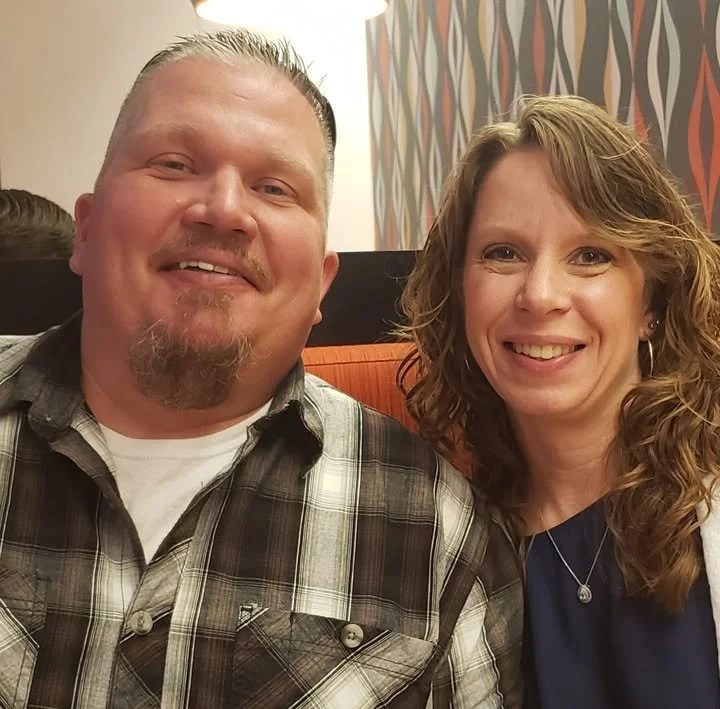
Jarred and Jill Gephart
The Gepharts met while working in the restaurant industry and had long talked about starting a business of their own after retirement.
"We met in the restaurant business & always talked about starting our own business after retirement," they said. "Passion for cooking and serving quality food. I felt there was a gap in the food truck industry that we could fill."
The opportunity to join the Geneseo Farmers Market came after organizer Jill Darin approached the couple about serving breakfast. The Gepharts said they believed it was "the perfect opportunity to introduce Hayshaker's Grill to the Geneseo community."
Each Saturday morning, Hayshaker's Grill prepares fresh breakfast scrambles to order before transitioning to its lunch menu. The business's top-selling item is its unbreaded pork tenderloin sandwich, followed closely by its smashburgers.
When asked what first-time customers should order, the answer was immediate: "The un breaded pork tenderloin sandwich, it is the best in the QC area."
According to the Gepharts, the business is built on quality and consistency.
"The quality of the food and the fact that it's cooked fresh over a charcoal grill set us apart," they said. "Consistency is what brings customers back. We strive to deliver a good, quality product every time."
Although Hayshaker's Grill is new to the market, the Gepharts are well known to many regular shoppers through North Street Treats, their gluten-free dessert business, which has been a longtime Farmers Market vendor. North Street Treats specializes in gluten-free desserts and continues to operate through farmers markets, events and custom orders. The Gepharts noted that, despite some community confusion, North Street Treats is not currently opening a bakery.
Looking ahead, the couple hopes to have Hayshaker's Grill operating from a food trailer by the start of next season, with the long-term goal of opening a brick-and-mortar restaurant within the next five years.
The response from the Geneseo community has been stronger than they anticipated.
"Amazingly overwhelming!!" they said. "The support so far has been beyond expected."
Visitors can find Hayshaker's Grill and North Street Treats each Saturday at the Geneseo Farmers Market in City Park, where the Gepharts continue serving fresh, made-to-order food alongside the gluten-free desserts that have become a longtime market favorite.

Inside Project Big River – Part 1: What Is Carbon Capture, and Why Does It Matter?
At first glance, a proposed carbon sequestration project near Galva might not seem like something Geneseo residents need to follow. After all, the project isn't located in Geneseo, and most of the activity would take place at Big River Resources' ethanol plant just outside Galva. But the decisions being made over the next year could affect all of Henry County.
The Henry County Board recently approved a one-year moratorium on new carbon sequestration projects while officials gather more information, review emergency preparedness, and determine whether additional local safeguards are needed. Those discussions involve countywide emergency planning, taxpayer-funded public safety resources, agriculture, economic development, and regulations that could shape future projects across the county.
That's why The Geneseo Current is launching a three-part series explaining what the Big River–Lapis project is, why it's being debated, and what it could mean for our region. In Part 1, we'll answer the most basic question: What exactly is this project?
What is carbon capture?
To understand the project, it helps to start with how ethanol is made.
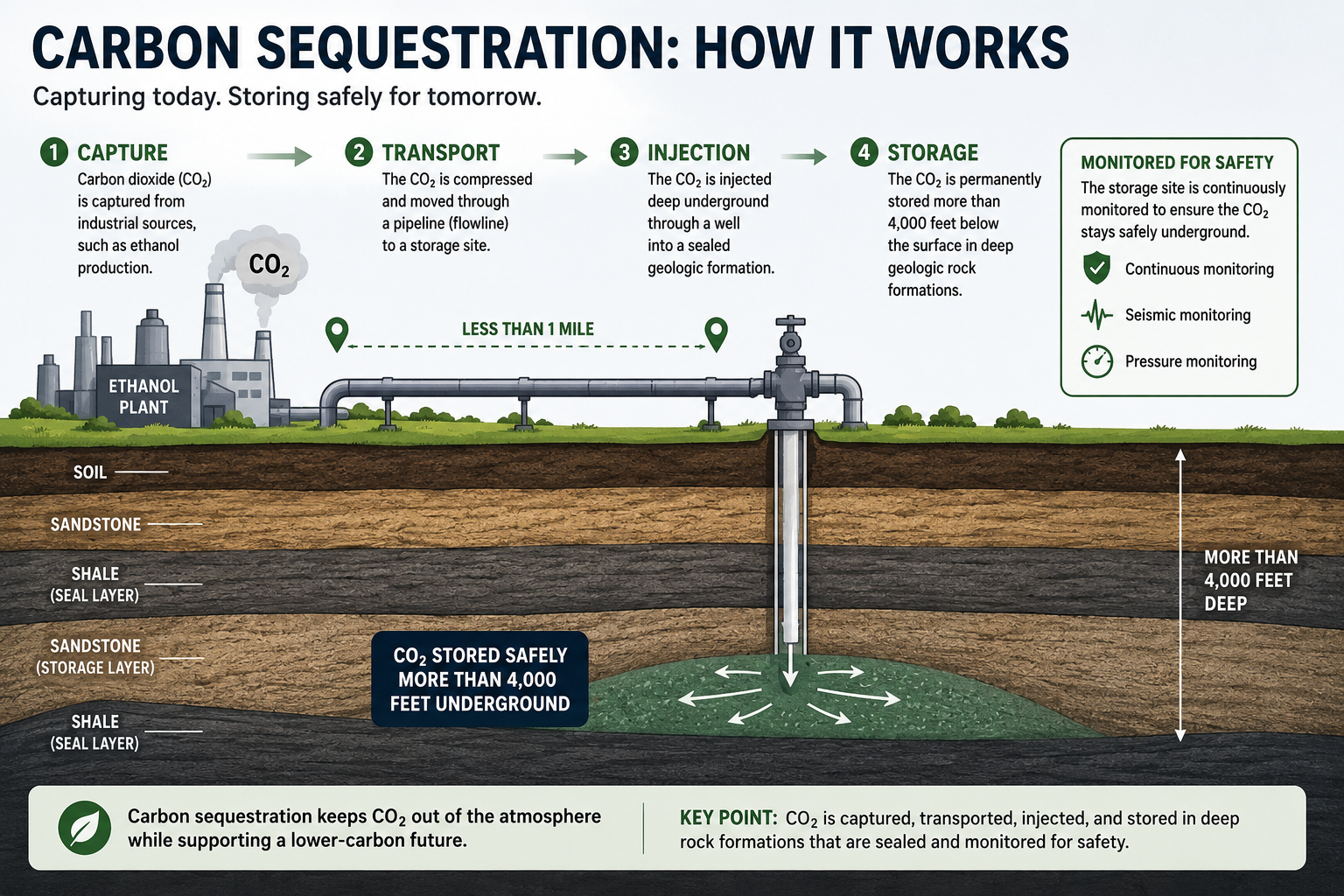
At the Big River Resources ethanol plant near Galva, corn is processed into ethanol fuel. During fermentation, yeast converts sugars into alcohol—and in the process, naturally produces carbon dioxide (CO₂).
Traditionally, that carbon dioxide is released into the atmosphere.
Carbon capture changes that.
Instead of venting the CO₂, specialized equipment captures it, removes impurities, compresses it into a dense fluid, and prepares it for transportation and storage.
The goal is to prevent those emissions from entering the atmosphere.
What is carbon sequestration?
Capturing carbon dioxide is only half of the process.
Carbon sequestration refers to permanently storing that captured CO₂ deep underground.
The compressed carbon dioxide is injected thousands of feet below the surface into porous rock formations capped by impermeable layers of rock that are intended to keep it trapped over the long term.
Supporters describe the process as similar to storing natural gas underground, while opponents raise questions about long-term monitoring and safety.
What is being proposed near Galva?
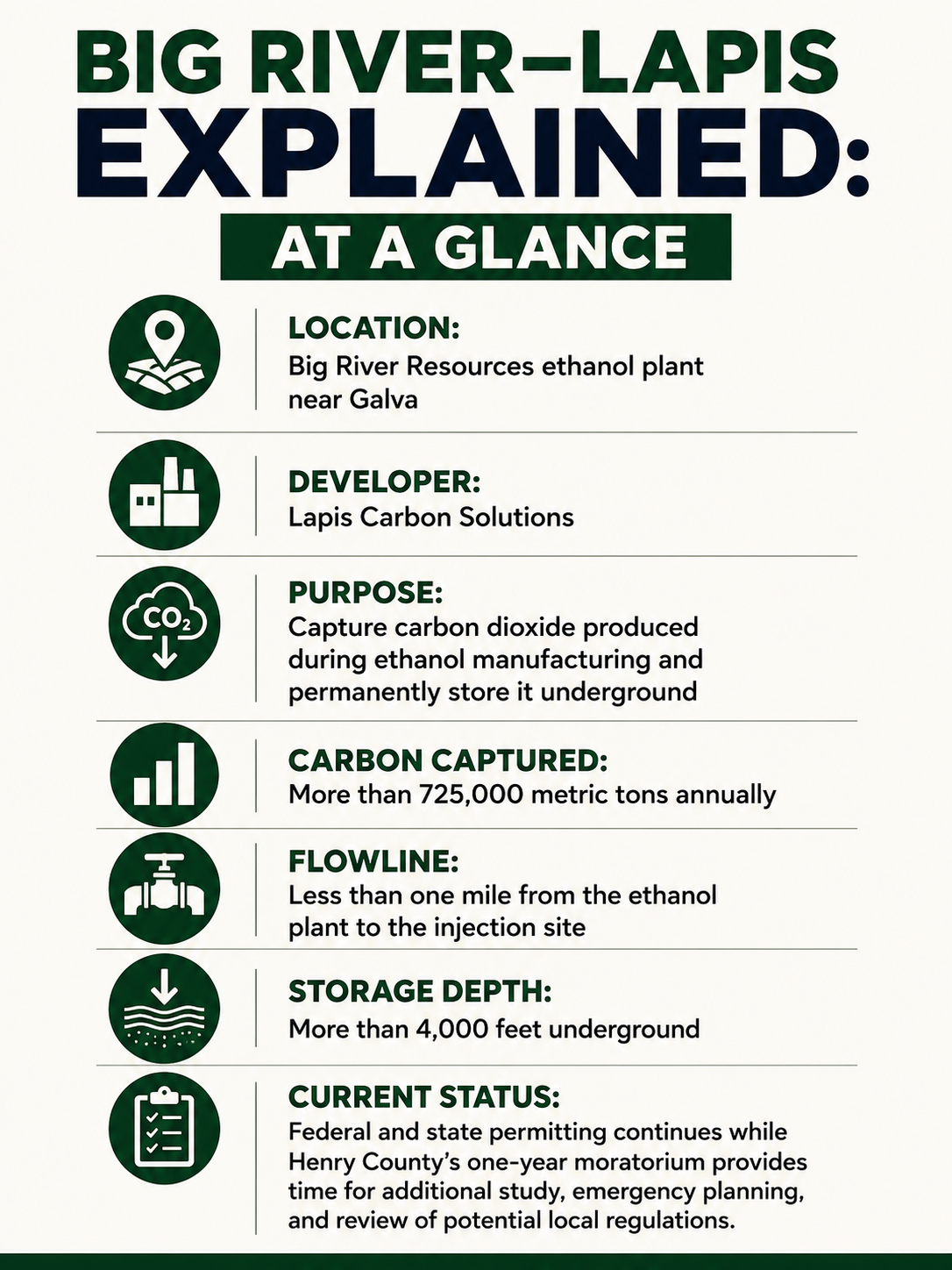
The proposed project is a partnership between Big River Resources, which operates the ethanol plant near Galva, and Lapis Carbon Solutions, a company that develops carbon capture and storage projects.
According to the companies, the project would:
Capture more than 725,000 metric tons of carbon dioxide each year from ethanol production.
Compress the CO₂ and transport it through a flowline less than one mile long.
Inject it more than 4,000 feet underground into geologic formations suitable for permanent storage.
Continuously monitor the storage site under federal and state regulations.
Unlike some carbon capture proposals that involve hundreds of miles of interstate pipeline, Project Big River is designed as a near-plant project, with the storage site located adjacent to the ethanol facility.
Lapis has also stated it does not anticipate using eminent domain for the project's short flowline.
Why build a project like this?
The primary reason is to reduce the carbon intensity of ethanol.
Many fuel markets and government programs place a value on fuels with lower greenhouse gas emissions. By capturing and storing carbon dioxide that would otherwise be released into the atmosphere, ethanol producers may qualify for incentives and improve the competitiveness of their product.
Supporters say projects like this can help Illinois ethanol plants remain competitive while supporting local jobs and markets for corn producers.
Where would the carbon dioxide go?
One of the most common misconceptions is that carbon dioxide would be stored in tanks or warehouses.
Instead, it would be injected into deep underground rock formations that have held fluids for millions of years.
These formations are located thousands of feet below drinking water aquifers and are selected based on extensive geologic studies.
Before injection can begin, the project must receive a federal Class VI Underground Injection Control permit, one of the most rigorous permitting processes overseen by the U.S. Environmental Protection Agency. Illinois also recently adopted additional state regulations governing carbon sequestration projects.
Why is Henry County talking about it now?
Although the project is located near Galva, it has become a countywide discussion because county officials want to better understand the technology before additional projects move forward.
Earlier this month, the Henry County Board approved a one-year moratorium on new carbon sequestration projects and new data center developments.
County leaders have said the temporary pause is intended to give officials time to:
Review technical information.
Develop emergency response plans.
Study public safety considerations.
Evaluate whether additional local regulations are needed.
The moratorium is not a permanent ban on carbon sequestration, nor does it automatically stop the existing Big River–Lapis proposal. Instead, county officials describe it as an opportunity to gather information before making future decisions.
Why should Geneseo residents care?
Even though the project is centered near Galva, the discussions extend beyond one community.
County emergency planning, mutual aid between first responders, economic development, agriculture, and county regulations all have implications that reach across Henry County. Big River Resources is also an important regional purchaser of corn, meaning decisions affecting the plant can have ripple effects throughout the local agricultural economy.
Perhaps most importantly, these decisions are being made by elected officials who represent residents throughout Henry County—not just Galva.
Understanding the project helps residents better evaluate the conversations taking place at County Board meetings and the decisions their representatives will make over the coming months.
Coming Next: Part 2
In Part 2, we'll take a closer look at safety and emergency planning.
Editor's Note: This is the first installment in a three-part educational series designed to explain the proposed Big River–Lapis carbon sequestration project. The purpose of this series is to provide factual information about the proposal, the science behind carbon sequestration, and the issues being discussed by local officials so readers can better understand the ongoing public conversation.
Service That Shows Up: Inside the Geneseo Rotary Club
Discover how the Geneseo Rotary Club supports local students, families, and nonprofits through scholarships, grants, food access, and hands-on community service.
Read moreAfter 18 Years of Waiting, Is Passenger Rail Really Coming to Geneseo?
For nearly 20 years, Geneseo has been promised the return of passenger rail. The city still has a planned station, land has been purchased, and Illinois continues to include Geneseo on its preferred route—but years of delays, missed deadlines and unfinished agreements leave one big question: Is Amtrak finally coming, or is the community still waiting? Here’s where the project stands today.
Read moreLibrary’s Butterfly Garden to be Seen, Heard, Touched and Enjoyed by All
The Butterfly Garden at the Geneseo Public Library began with a simple idea - to create an outdoor space where butterflies and other pollinators could flourish.
Read more