What began more than 50 years as a local event is now on the 2026 scheduled to be part of the American Motorcycle Association National Enduro Series. and the people involved said they “are flattered to be asked to become part of this Series.” to have been asked to become national.”
Read moreBlood Drive Dec. 30 at Kingswood Church
The American Red Cross has scheduled a blood drive from 12 noon to 6 p.m. on Tuesday, Dec. 30, at the South Campus of Kingswood Church in Geneseo. Blood types O, A, and B are urgently needed.
Read moreDress for Success Donations Can Be Dropped Off at Winkleman State Farm Agency
New or gently-used business-attire clothing items, purses and shoes for women only, can be left at the Winkleman State Farm office, during office hours, 9 a.m. to 5 p.m. Monday through Friday, during the months of January and February, and the items will be delivered to Dress for Success in the Quad Cities.
Read moreHoliday Pep Rally at GHS Before Christmas Break
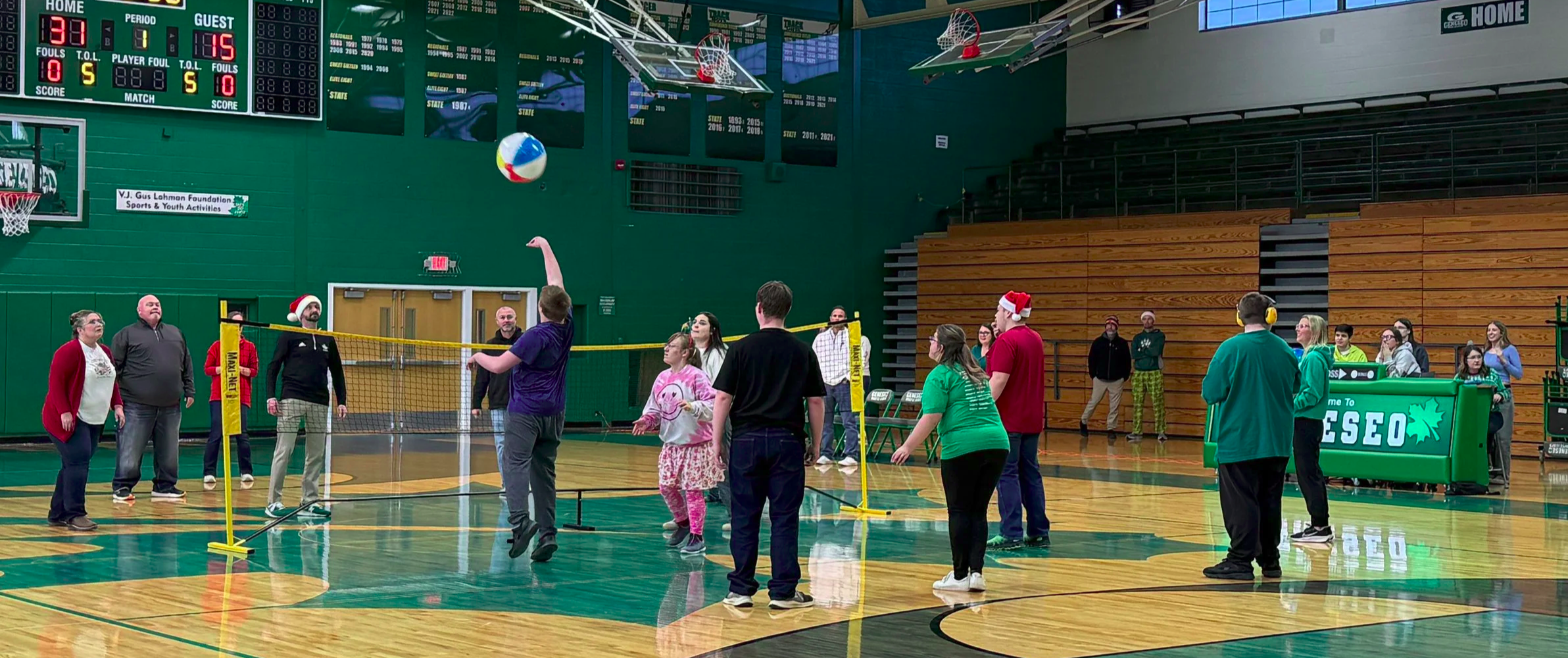
School spirit fill the Geneseo High School gym Friday morning when the Unified Physical Education Students from the GHS Life Skills Class faced off in a volleyball game against GHS staff.
Read moreCars Had Ashtrays - By Dan Dauw
Cars had ashtrays and cigarette lighters. Vent side windows. To switch light beams it was located on the floor board. Side windows had crank handles in the door. How ‘bout 8 Track players before cassettes and CDs? Metal radio car antennas moved up & down by hand or electric.Whitewall tires.
Read moreFrom Sandy's to Hardee's and a Corporate Closeout
This week the Geneseo Hardee’s closed it’s doors. Believe it or not, the restaurant has been open for more than fifty years.
In March 1st, 1972, Sandy’s Restaurant opened it’s doors. It was located off Route 82 South in Geneseo, at the same location where Hardee’s is today.
Sarah Says Things: The Wrapping Paper Nightmare
Every December I convince myself—again—that this is the year I’ll wrap gifts like a competent, Pinterest-adjacent adult. You know the vibe: crisp kraft paper, perfectly tied twine, a sprig of evergreen tucked in at a whimsical angle, maybe a tasteful tag done in my “natural handwriting,” which of course looks nothing like my real handwriting.
And every December, the wrapping process reminds me who I actually am: someone sitting cross-legged on the floor surrounded by paper scraps, tape stuck to my socks, and a dull sense of betrayal that YouTube tutorials lie.
Let’s start with the scissors—the single most important tool, and the first thing to vanish the moment you need them. They were right there. You just had them. And now? Gone. Replaced by a backup pair that can’t cut warm butter, much less a straight line through thick paper.
Then there’s the wrapping paper itself. I always think I have “plenty,” but somehow every roll is either (a) down to its final 11 inches, (b) creased beyond repair, or (c) a pattern I must have liked in a moment of seasonal delusion. And why—WHY—is no standard gift ever the same width as the remaining paper?
Enter the glitter paper, which looks beautiful on the shelf and then immediately attempts to exfoliate your entire home. You try to cut it and the scissors respond with a firm “absolutely not.” You try to tape it and the tape says, “Yeah, no.” And afterward you find glitter in your hair, on your dog, and somehow inside your purse.
Twine and kraft paper are supposed to be the “simple” option. Rustic, minimal, charming. Except twine is basically the holiday version of headphone cords—it tangles instantly, forms a knot with no visible beginning or end, and mocks you while you try to look effortless. And kraft paper? Gorgeous. Until you discover it’s the least forgiving material on Earth. One wrong fold and now it looks like you wrapped a gift using a brown grocery bag in the dark.
Let’s also acknowledge the tag situation. Every house contains exactly 237 leftover tags from past years, and none of them match. Some are shaped like mittens. Some say “To: Grandma” even if Grandma has been gone for a decade. Others look like they belong on a very fancy gift you are not giving. And yet, you use them anyway.
And of course, there’s the inevitable tape crisis. Halfway through wrapping the most awkwardly shaped gift in the universe, the dispenser runs out. Now you’re rummaging through drawers like a raccoon, praying for a fresh roll that isn’t the cursed off-brand kind that tears diagonally for sport.
By the end, you’re sweaty, questioning life choices, and sitting next to a pile of wrapped presents that somehow look both overworked and underperforming. The corners poke out. The seams don’t line up. One of them has a suspicious bump you swore you smoothed. Another gift looks like it lost a fight with a toddler.
But you know what? It’s wrapped. It’s done. And it’s absolutely going under the tree like that.
Perfection is for magazines. I’m just trying to make sure the tape sticks.
Nativity Sets and More on Display at St. Malachy Church Beginning Dec. 26
Mary Anne Peterson’s collection of Nativity sets just keeps growing. Her display of Nativity sets numbered more than 350 at last year’s showing held at St. Malachy Church in Geneseo.
Read moreChristmas Sweater Day at GHS
It was “Christmas Sweater Day” recently at Geneseo High School when students and staff wore Christmas sweaters to school as part of Christmas Spirit Dress Week.
Read moreGeneseo Family Dental Helping Geneseo Shelter with Shelter Angel Tree
Dr. Trevor Craig is shown by the “Shelter Angel Tree,” located inside the main entrance to Geneseo Family Dental, at 1090 South Congress St., Geneseo.
Read moreGHS Maplettes to Compete Dec. 20 at Kewanee Dance Invitational
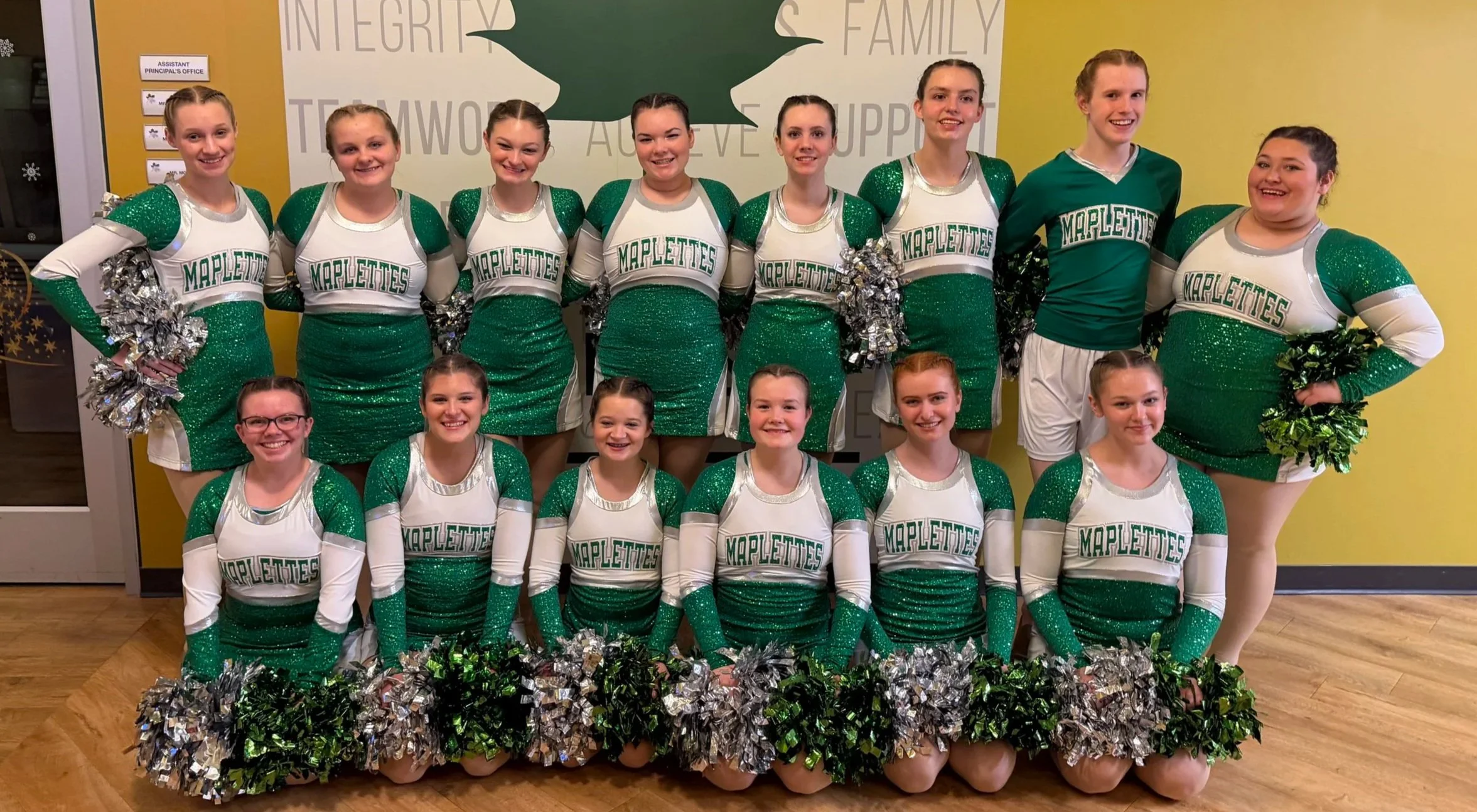
The Geneseo High School Maplettes Dance Team will perform at the 5th annual Kewanee Dance Invitational scheduled for Saturday, Dec. 20, at Kewanee High School. The GHS Maplettes will take the floor at 10:37 a.m.
Read moreChristmas Day Dinner at First Lutheran in Geneseo
They are extending an invitation to the “greater community” to come to the 19th annual free Christmas dinner on Thursday, Dec. 25, Christmas Day. Serving will be from 11 a.m. to 3 p.m.
Read morePay Attention to the Barometer! - By Dan Dauw
As I type this we have a tad over 10 inches of the white stuff covering the frozen ground. It makes it tough for not just birds, but other wildlife, too!
Read moreSarah Says Things: The 6–7 Enigma
At some point in the past year—no one can pinpoint exactly when—America’s youth collectively decided to communicate exclusively in inside jokes that adults are neither meant nor allowed to understand. Chief among them: the inexplicable, omnipresent phrase “6–7.”
If you don’t have teenagers, congratulations. You probably still speak English. The rest of us? We’re just out here trying to decode why two random numbers create an atmosphere reminiscent of a frat party.
What does it mean?
Absolutely nobody knows.
And that’s the point.
We have asked.
We have begged.
We have Googled things we will never un-Google.
And the kids? They just smirk. Because nothing delights a teenager more than a joke with no punchline, no explanation, and no connection to anything happening in the room.
It is, apparently, comedy.
Teens are treating “6–7” like it’s the new “fetch,” except this time it actually is happening. They say it at school. In group chats. While playing sports. At the dinner table. At church youth group. I’m convinced someone yelled it during the national anthem at a basketball game.
Ask them what it means, and you get the same response you’d get if you asked for the launch codes:
A shrug.
A grin.
A whispered “you’re too old.”
Perfect. Love that for us.
Meanwhile, parents everywhere are standing in kitchen doorways like confused Victorian ghosts, wondering if this is a secret code, a cult password, or the modern equivalent of Pig Latin. We’re out here deciphering hieroglyphics while the kids are congratulating each other for saying two numbers in ascending order.
And don’t even THINK about trying to use it back at them.
Say “6–7” to a teen, and they stare at you with the same expression you use the same expression you use when your mom texts “Is this TikTak?”
“Stop. You’re ruining it,” they say, which is hilarious because there is nothing to ruin. There is no joke. The joke is that there is no joke.
Teenagers have invented an inside joke about not having an inside joke.
In all honesty- I’m impressed. It’s the most diabolical form of comedy they’ve come up with since “Deez Nuts.”
So here we are, in the era of “6–7,” a phrase so meaningless, so context-free, so stupidly funny to them that it has fully replaced normal human conversation.
Maybe someday the kids will reveal its meaning.
Maybe it’s an elaborate social experiment.
Maybe it’s an accident.
Maybe they forgot why they say it, too.
Maybe it doesn’t matter.
Until then, we’ll continue wandering around our homes while teenagers shout “6–7!!!” at the refrigerator, at their siblings, at TikTok, at the dog, and occasionally at thin air—because apparently the real punchline is us trying to understand it.
But whatever. Fine. Let them have their mystery.
Because when they’re adults someday, their kids will shout, “88–13!” and they’ll have absolutely no idea why either.
Local Student Selected to Perform with the Bands of America Honor Band in the 2026 Rose Parade®
Bryce Gillespie, a Freshman at Geneseo High School, has been selected by Music for All to be a member of the Bands of America Honor Band in the 2026 Roses Parade® presented by Honda, in Pasadena, California.
Read moreEncore edition: By Elizabeth Hulsbrink - Windows of Hope Preview
With the vision of Ron Hartman, and the dedication of an incredible production crew including Kisha Shoemaker, Mercedes Bealer, and Pam Reiling, every beautiful moment on stage is a team of talented people working behind the scenes, pouring countless hours into….
Read moreSarah Says Things: The Holiday Goodie Gauntlet
Every December, without fail, the world transforms into a parade of holiday goodies. Cookies, candies, cocoa bombs, fudge, pretzel clusters, mystery bars that may or may not contain peanut butter—it’s like everyone collectively decided, “What if we all baked at the same time and delivered it to each other in an unregulated exchange system with no clear rules or exit strategy?”
And look, I’m not anti-goodie. I’m just saying the holiday treat ecosystem could use a user manual.
First, there’s the Cookie Exchange Enthusiast, who believes in their heart that December is a competitive sport. This person shows up with a cookie so detailed and structurally complex that it requires a cooling rack, parchment paper, and emotional commitment. Meanwhile, the rest of us show up with whatever didn’t stick to the pan. But sure—tell me again how “it’s just for fun.”
Then comes the Neighbor Drop-Off Surprise, when your doorbell rings and someone you haven’t seen in eleven months hands you a paper plate wrapped in Saran Wrap so tight it could survive reentry from space. There’s always at least one treat on the plate you cannot identify with confidence. You eat it anyway. It’s tradition.
There’s the Office Treat Table, which begins as a sweet gesture and quickly devolves into a 12-hour grazing frenzy. You walk past it saying, “I don’t need anything,” and then somehow leave with a brownie crumb welded to your sweater and a handful of caramel corn you didn’t even mean to grab. You don’t know what’s on that table. You don’t ask.
Then, inevitably, someone gifts you a Tin of Cookies, which is adorable until you remember those tins are the Matryoshka dolls of holiday chaos. Three layers. Four types of cookies. Zero labels. Every time you open one, it feels like you’re participating in a culinary trust exercise.
And let’s not forget the Home Kitchen Bake-a-Thon, where holiday ambition goes to die. You start strong, thinking you’ll crank out a gorgeous “Pinterest-level display.” Two hours later, the kitchen looks like a flour-based crime scene and the dog has eaten something he definitely was not supposed to. Half your cookies are overbaked, the other half are underbaked, and you’re seriously considering passing off store-bought as your own because really— who’s going to know?
All month long, it’s goodies. Constant goodies. Goodies you didn’t ask for. Goodies you feel weirdly obligated to eat. Goodies that appear in your house with no explanation. Goodies that come with handwritten recipe cards because someone, somewhere, wants you to commit to making their signature treat instead of the one you’ve made since 2006.
And through it all, December marches on, stuffing us full of sugar and expectation, daring us to pretend we have any control over our self-restraint. Spoiler: we don’t.
So yes, the holiday goodie tradition is charming, thoughtful, and full of community spirit. But it’s also sticky, chaotic, overly competitive, and impossible to escape.
And that feels about right.
Encore Edition: By Elizabeth Hulsbrink - A Most Enchanting Eve at Ye Olde Madrigal Dinner
Hear ye, hear ye! Gather ‘round for a tale of merriment, music, and mysteriously delicious figgy pudding! This year’s Geneseo High School Madrigal Dinner whisked all who entered straight into the heart of a medieval court
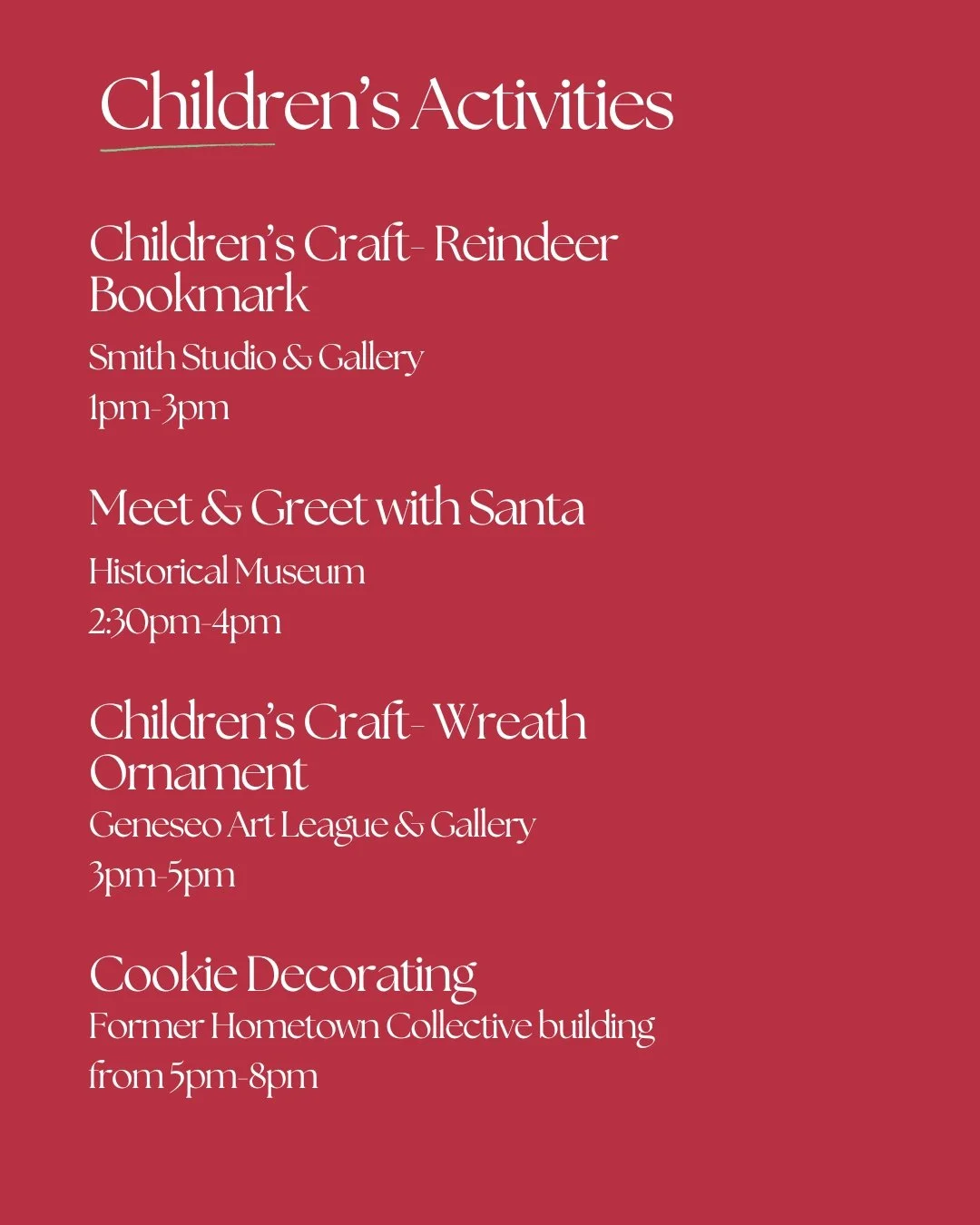
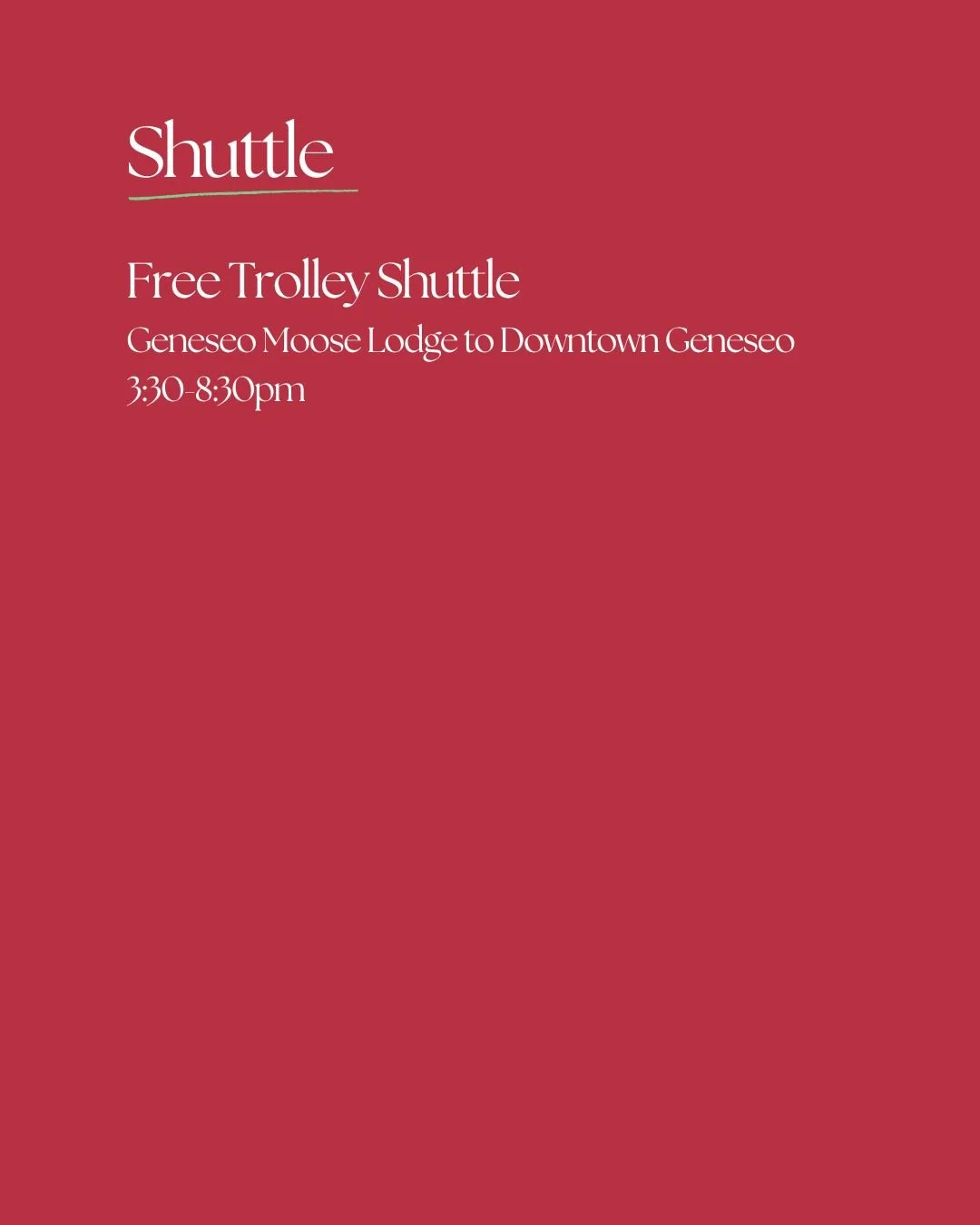
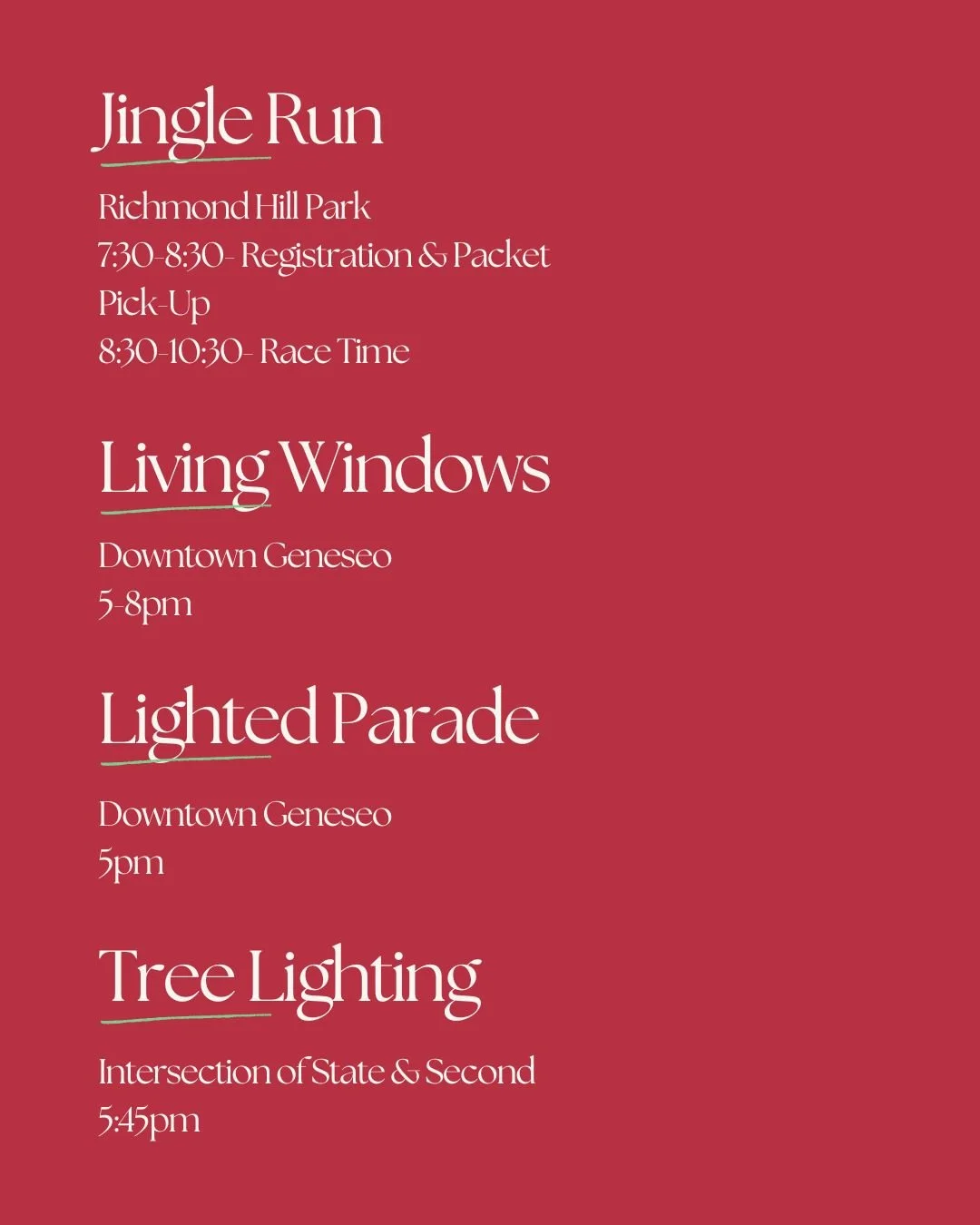
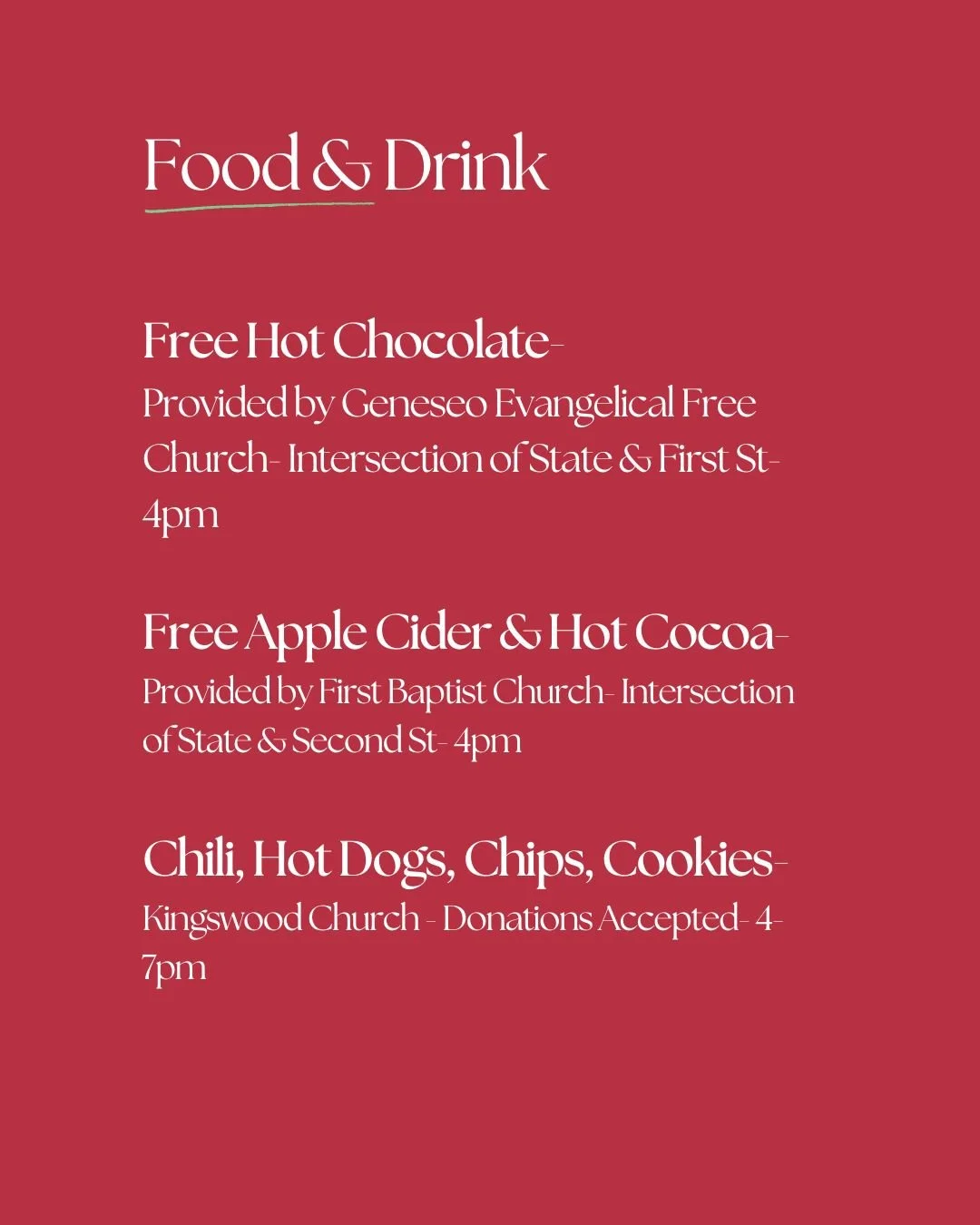
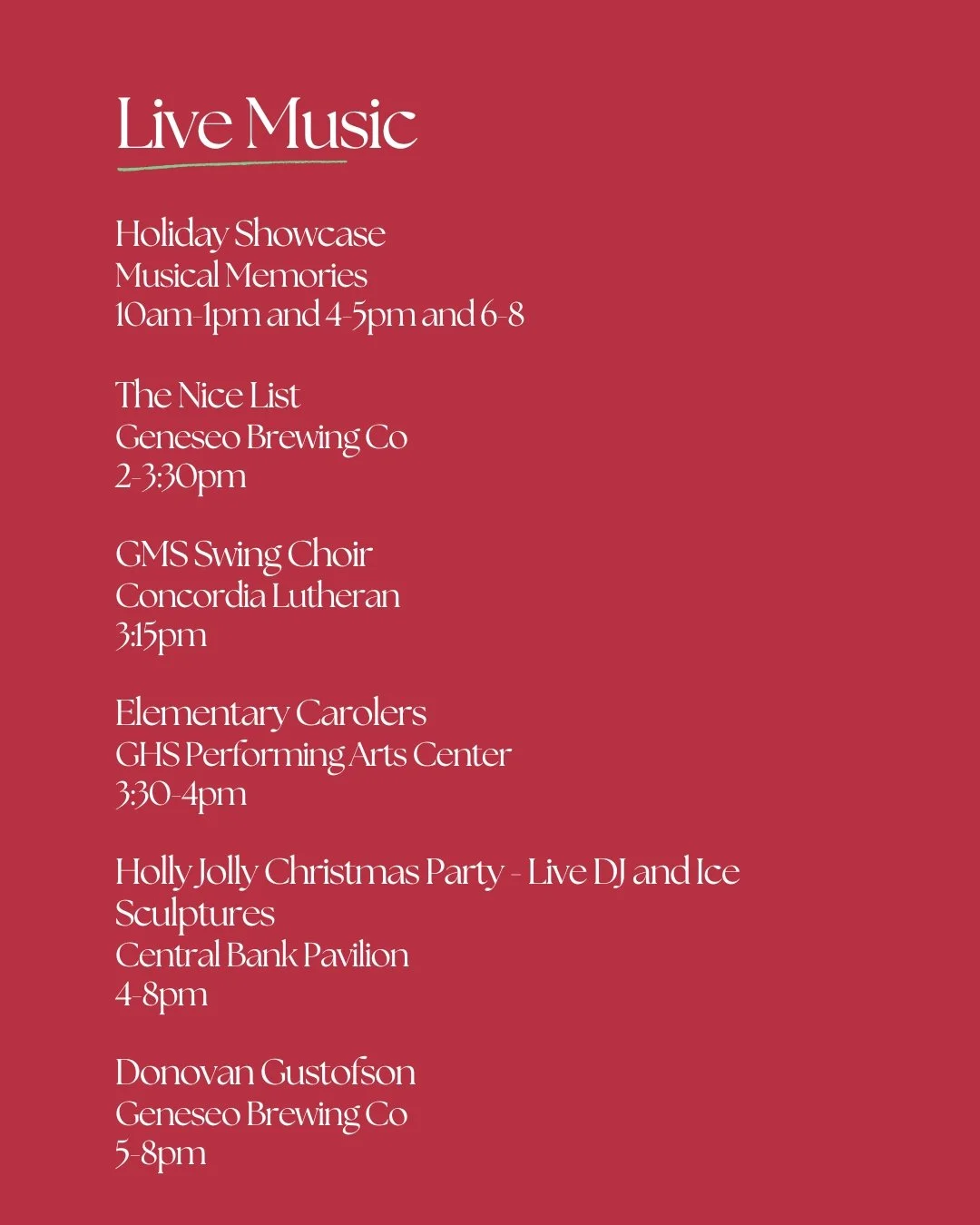
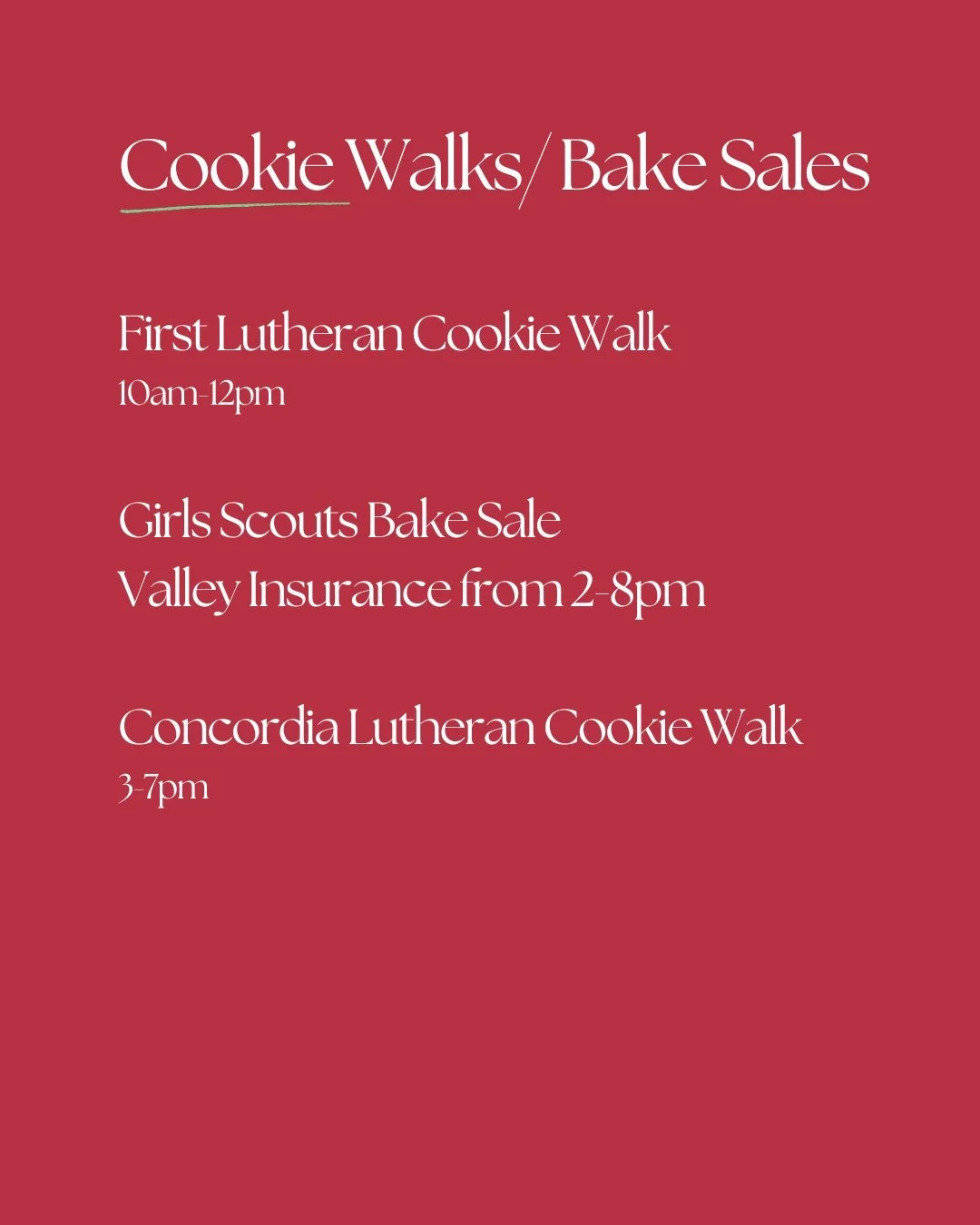
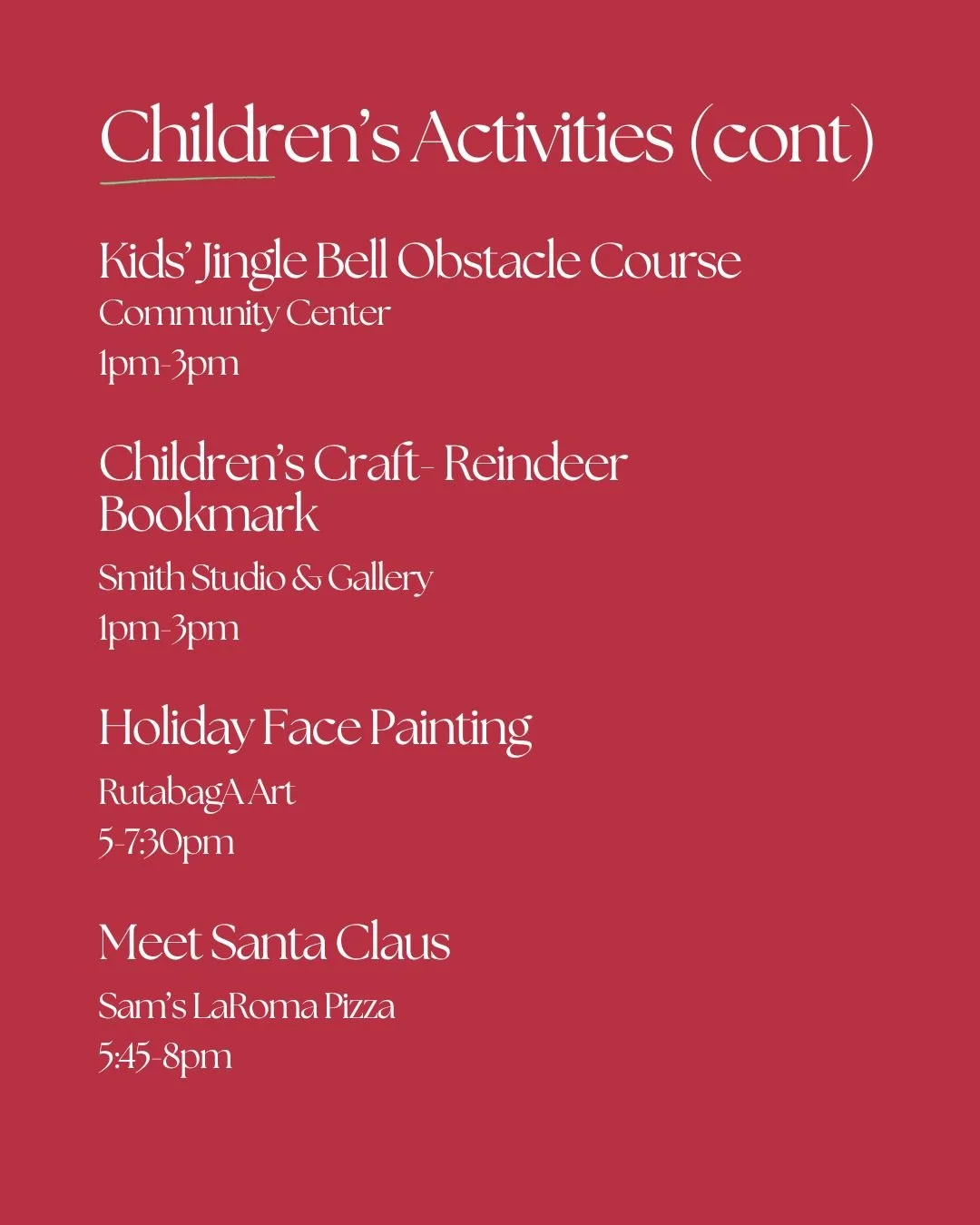
Read moreCookie Walks, Meal Sites and Warming Stations at Geneseo’s Christmas Walk
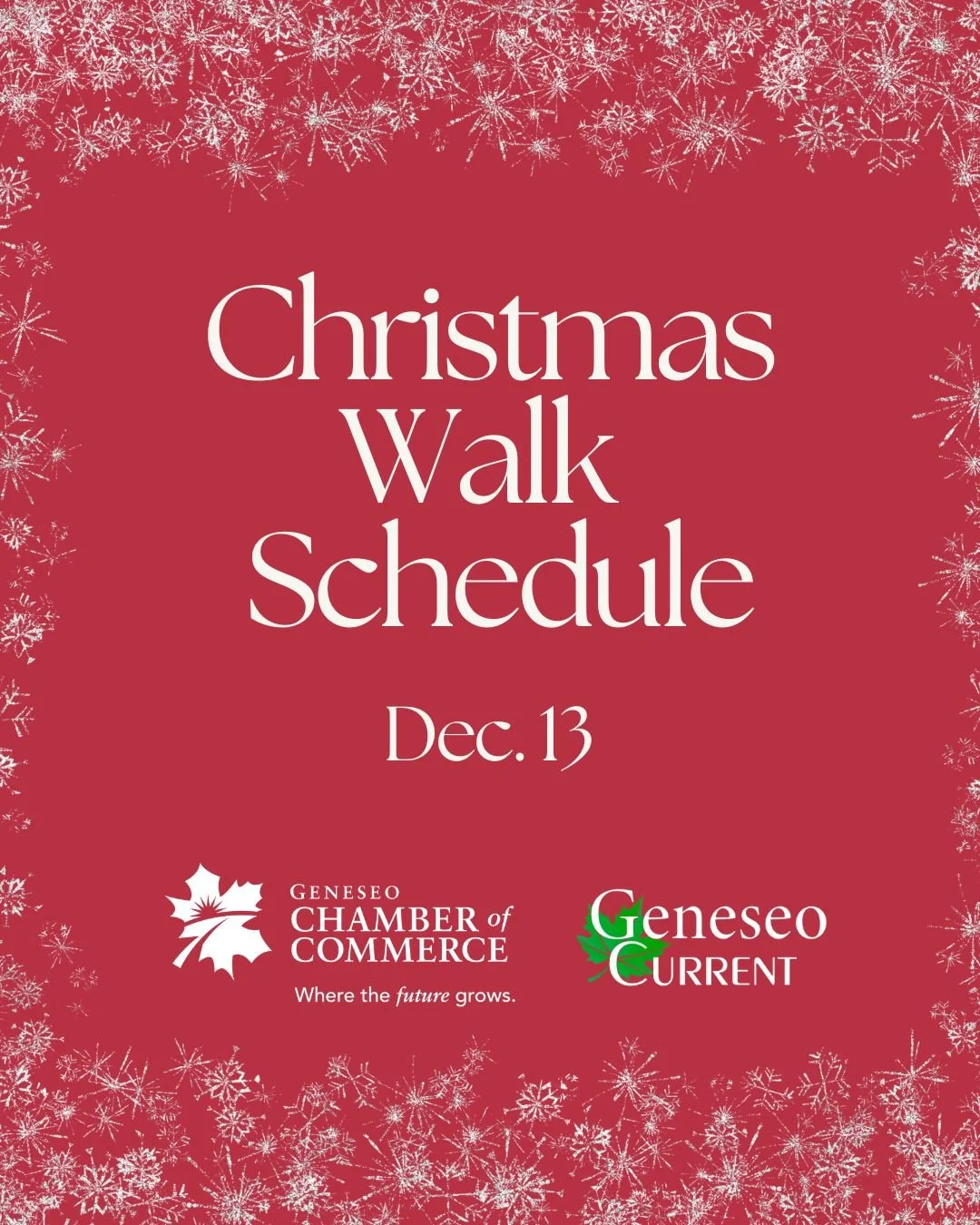
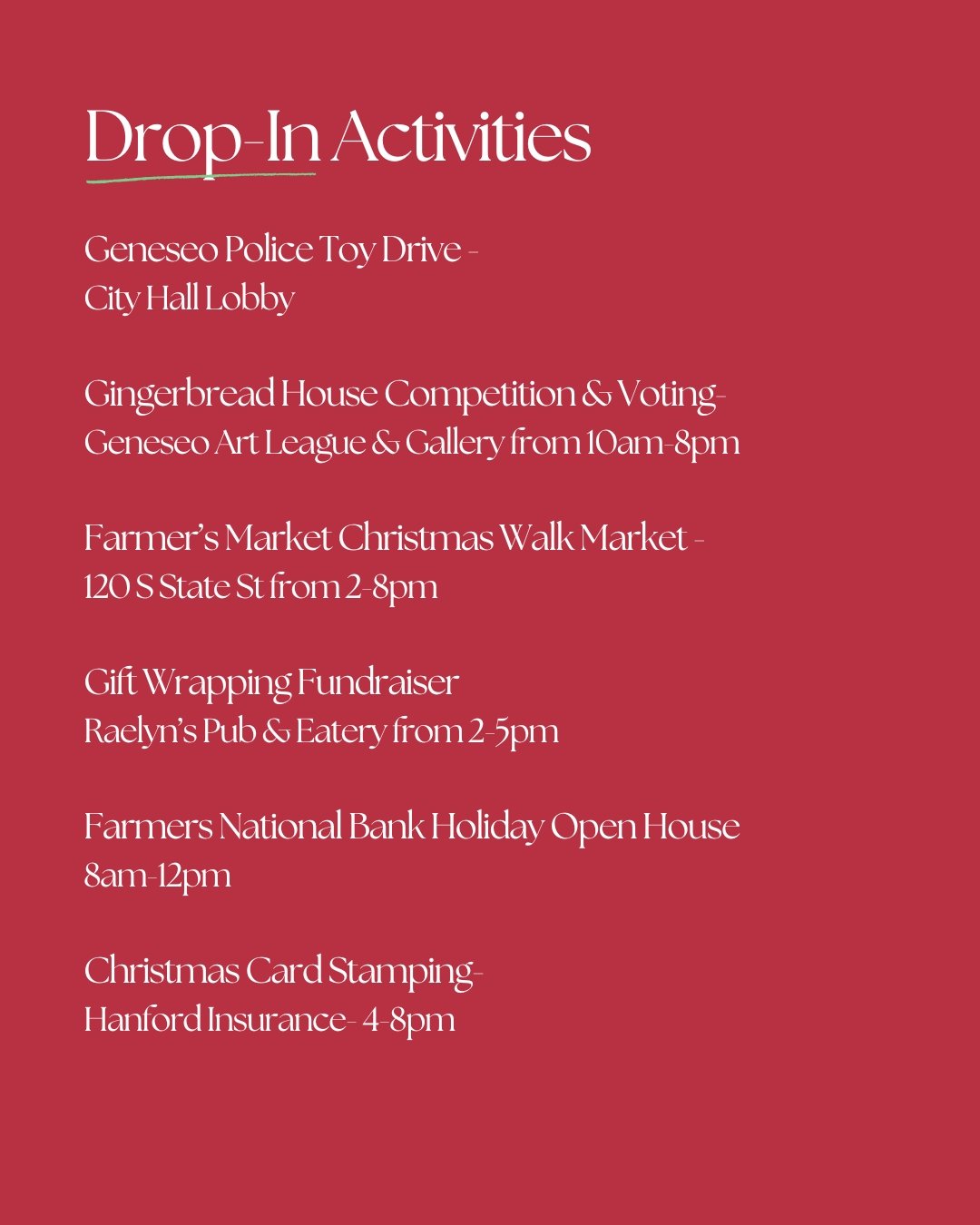
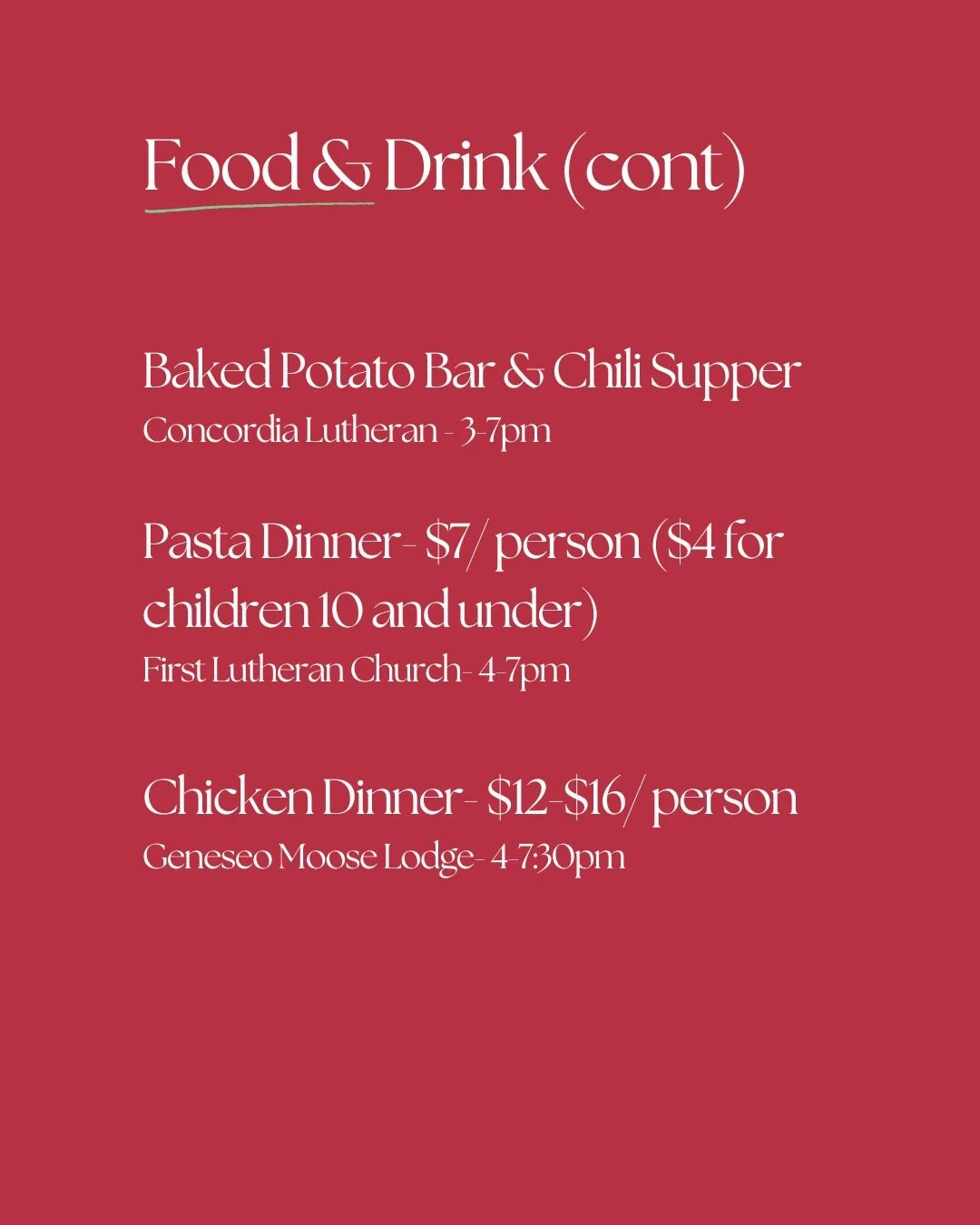
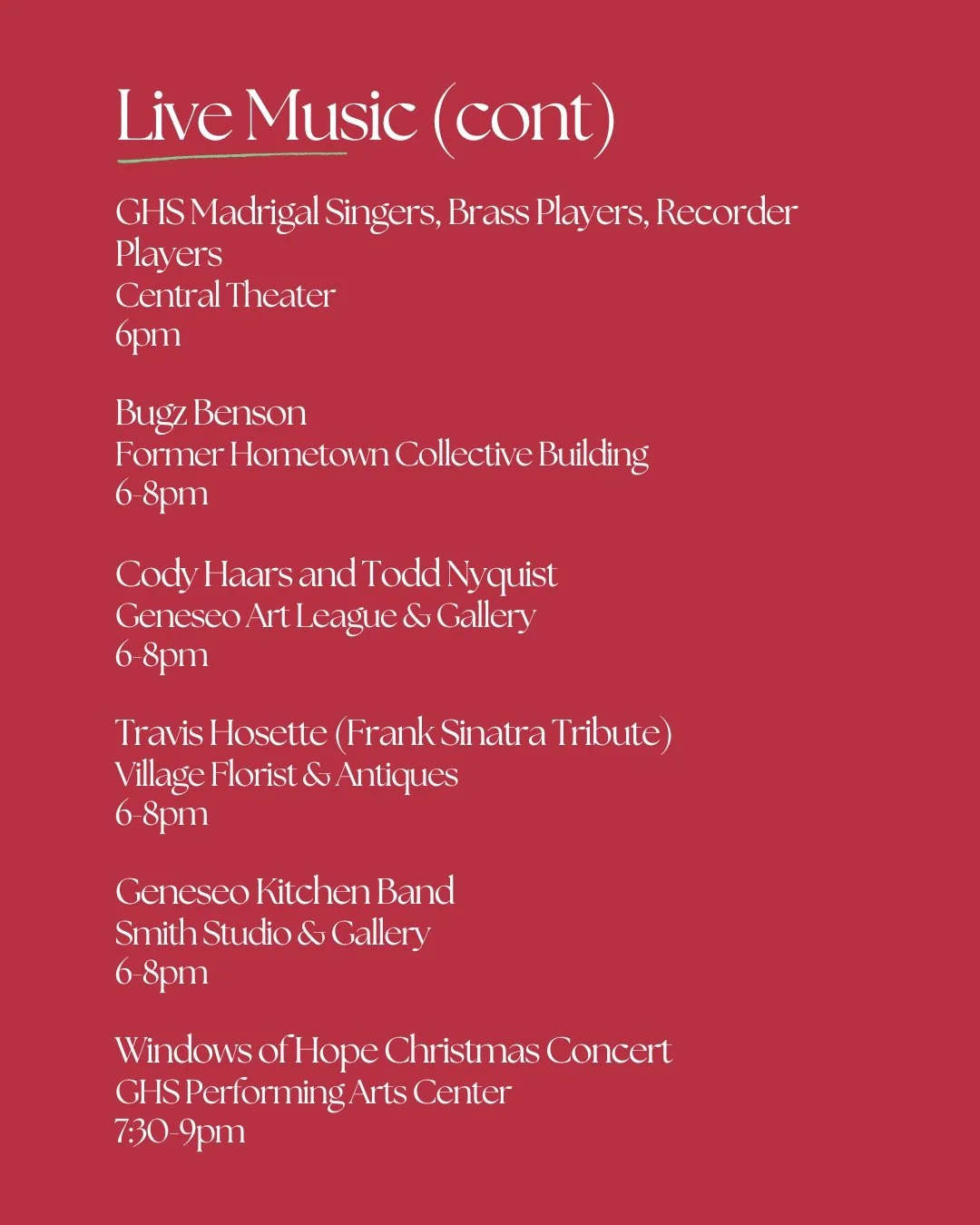
Janet VanDerSchaaf, representing the Lightkeepers Ministry at Kingswood Church in Geneseo, will be helping serve the meal from 4 to 7 p.m. at the church during Geneseo’s Christmas Walk festivities on Saturday, Dec. 13.
Read more