Geneseo’s latest capital improvement plan lays out tens of millions of dollars in potential infrastructure, equipment and facility investments through 2031, with the largest projects centered on the city’s water and wastewater systems.
Read moreGeneseo’s Callen Moe Throws First Pitch at Wrigley Field
Geneseo’s 10-year-old Callen Moe threw the ceremonial first pitch at Wrigley Field on Sept. 13 after being selected by his GLASA track team.
Read moreGHS Volleyball Games Oct 1 to Benefit Foster Hope
By Claudia Loucks
Geneseo Current
The Geneseo High School girls’ volleyball teams are encouraging members of the community to attend their volleyball games on Thursday, Oct. 1, and support their Charity Match Fundraiser to benefit Foster Hope in Atkinson.
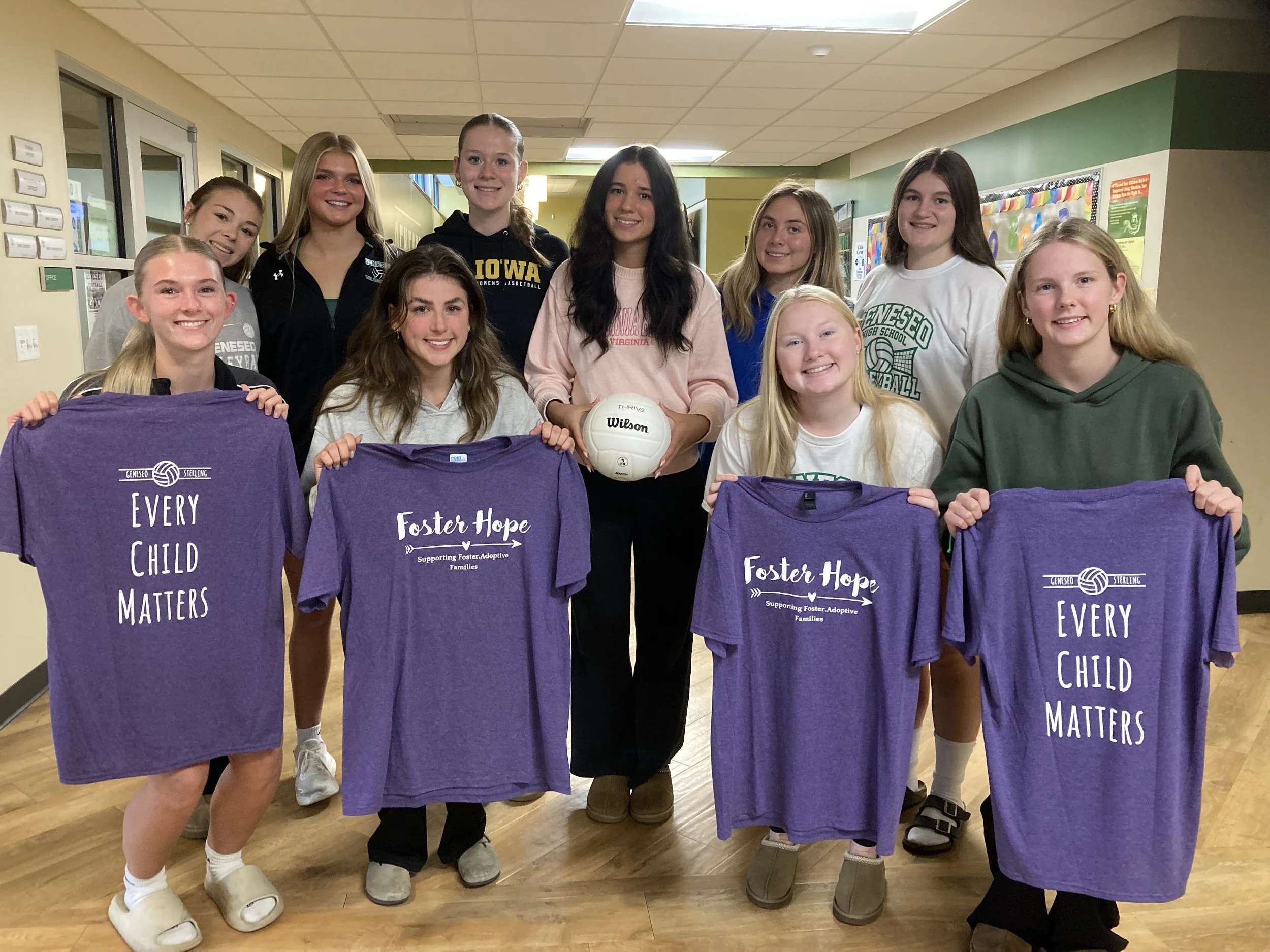
Seniors on the varsity team: in back from left, Leah Falk, Megan Hursman, Brooklyn Ruby, Mia Balensiefen, Sydney Rosas, Bella Brown; in front, Brylee Sheffler, Lillian Brown, MeKenna Johnson and Mckenzie Air. Photo by Claudia Loucks
The event, which includes a junior varsity game at 5 p.m. and a varsity matchup at 6 p.m. in the main GHS gym, will include a variety of baked items offered for sale and a toy drive to help support area children in foster care. Those who attend the games Thursday also may donate a toy to be used for the Foster Hope Sibling Shopping event in December. The GHS freshman volleyball team plays at 5 p.m. Thursday in the athletic facility, directly north of the high school building. Geneseo will host the Sterling volleyball teams.
Lola Rahn, who with her husband, Ryan Rahn, founded Foster Hope in April of 2017. Foster Hope is a 501 c3 non-profit organization that supports foster families in the Quad Cities and surrounding areas. They rely on donations and sponsors for the many events and activities held for foster care families. For more information, email fosterhopeqc@gmail.com.
Foster Hope currently serves families in Henry, Rock Island, Mercer and Whiteside counties.
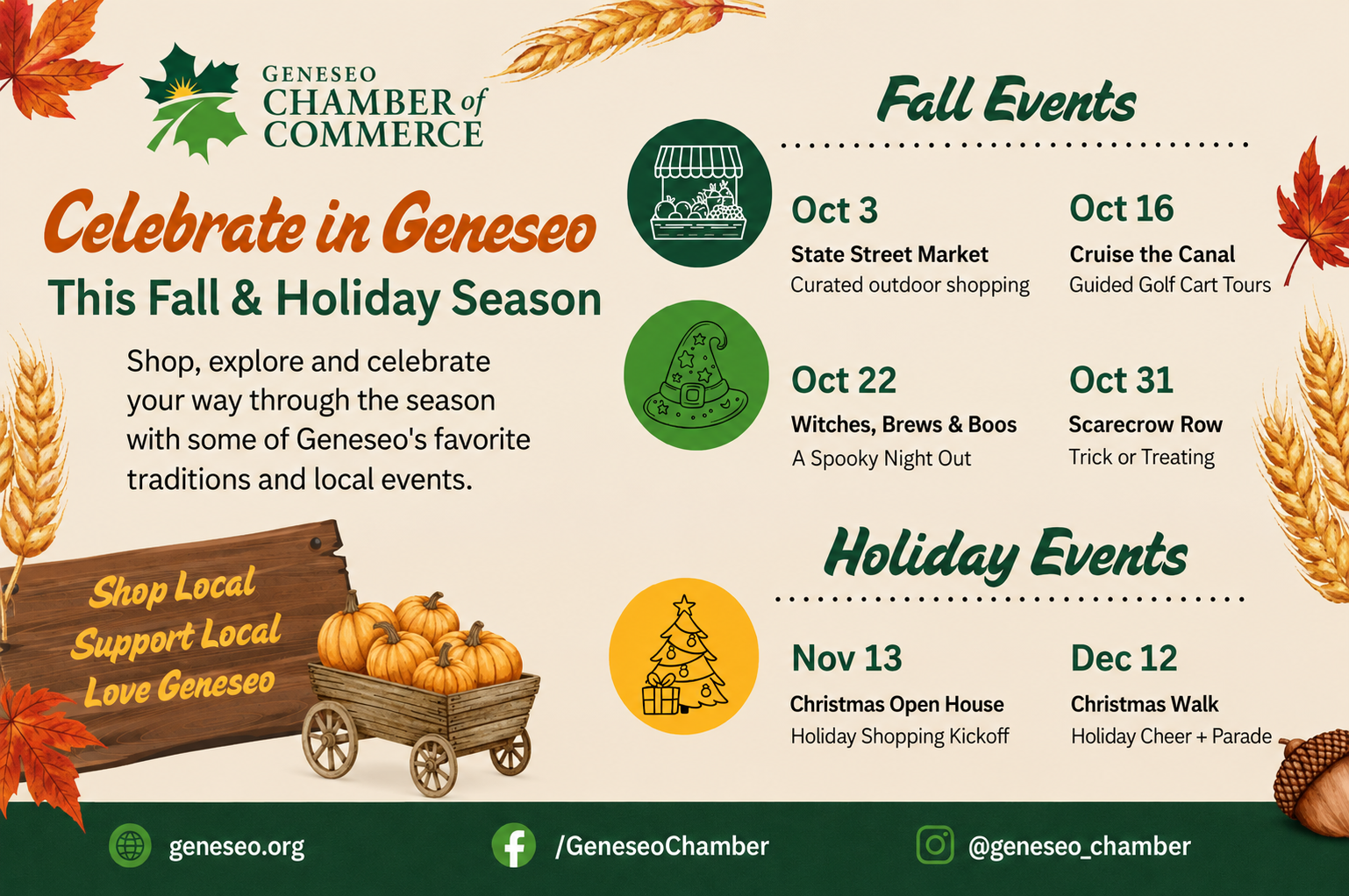
Jimmy John’s and Dunkin’ Planned for Former Hardee’s Location in Geneseo
Jimmy John’s and Dunkin’ are planned for the former Hardee’s location in Geneseo. The property sale is expected to close this week.
Read moreState Street Newswire - September 28, 2026
Geneseo Proposes New E-Bike and E-Scooter Rules: What Would Change
A proposed update to Geneseo’s personal transportation ordinance would raise age requirements for electric scooters, prohibit them from sidewalks, and establish new rules for e-bikes and other electric devices.
Read moreWhy So Little of Henry County’s Food Stays Local
Henry County farms produce more than $500 million in agricultural products, but much of the food sold locally comes from elsewhere. Here’s why.
Read moreEarly Voting Underway in Henry County for Nov. 3 Midterm Election
Early voting is underway in Henry County for the Nov. 3, 2026 midterm election. Find key dates for early voting, vote-by-mail applications, voter registration, and Election Day.
Read more‘Lil’ Leaf Cheerleaders Perform at GHS-Galesburg Football Game
By Claudia Loucks
Geneseo Current
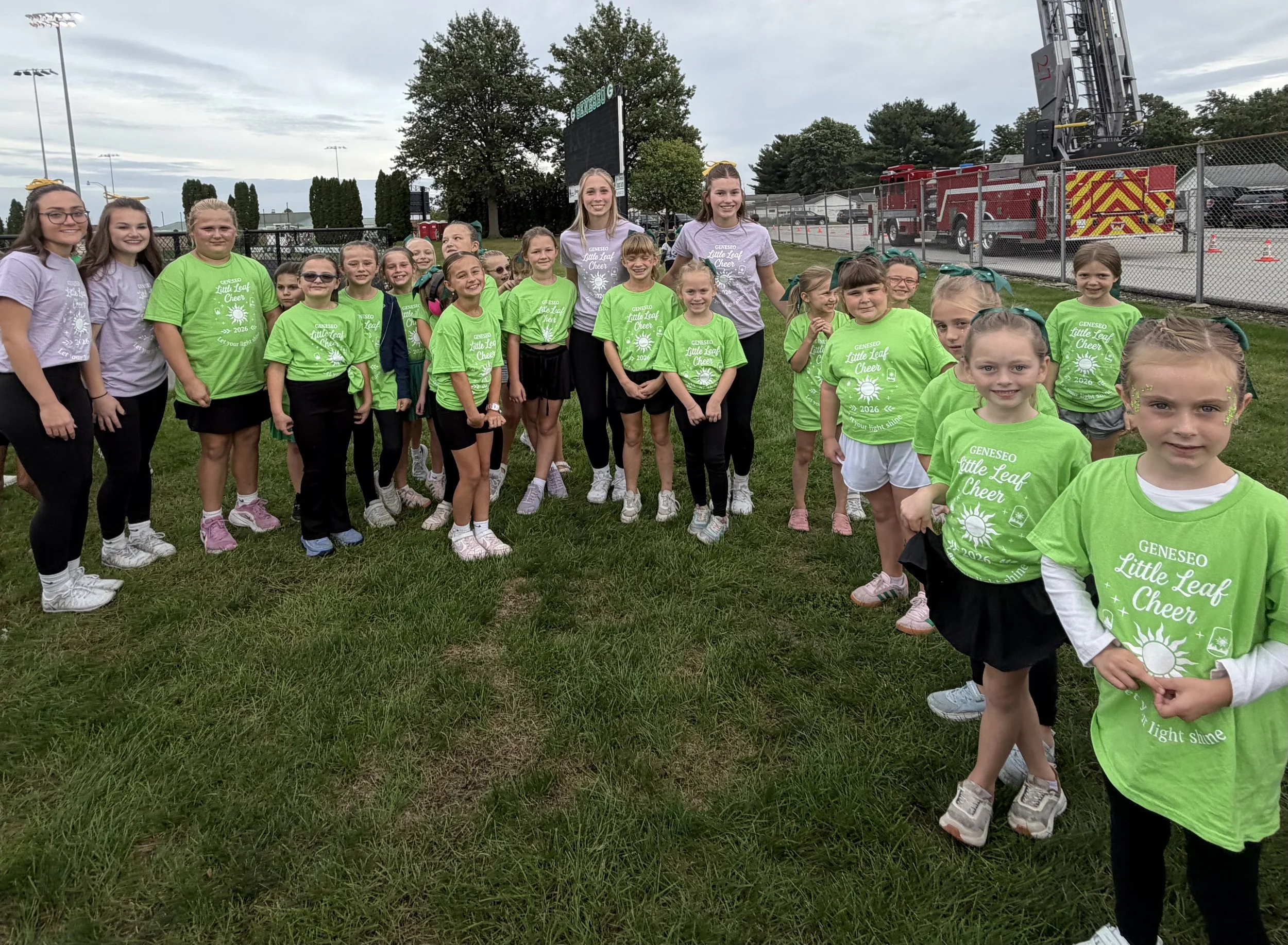
There were 116 “Lil” Leaf Cheerleaders, in kindergarten through fifth grade, who entertained football fans with the chants they learned at a recent “Lil” Leaf Cheer Clinic. Their performance was held Friday night in conjunction with the Green Machine’s football games against Galesburg, when Geneseo dominated the night with both junior varsity and varsity wins. The theme of the performance by the “Lil” Leaf cheerleaders was “Rapunzel-Let Your Light Shine.”


State Street Newswire - September 25, 2026
Video: Geneseo Now! - with Kate Huffman from the Henry County Farm Bureau
Pastor Murphy Honored on 10th Anniversary at First Baptist
Rev. David Murphy and his wife, Michelle, were honored by First Baptist Church in Geneseo as Murphy marked 10 years of serving the congregation.
Read moreState Street Newswire - September 24, 2026
Can Schools Discipline Students for What They Do Outside School?
by Sarah DeMaranville
The Geneseo Current
Social media, group chats and weekend conflicts can spill into the classroom — but schools’ authority has limits.
A social media post made from a student’s bedroom. A text sent on a Saturday night. An argument at a private gathering. A group chat that erupts over the weekend.
None of this may happen inside a school building.
But by Monday morning, screenshots may be circulating, students may be confronting one another, and administrators may be hearing from concerned parents.
So when does something that happens outside school become a school concern?
There is no single rule. Public schools have responsibilities involving student safety, access to education, and school operations. Students also retain constitutional rights when they are away from school.
When off-campus activity reaches school
Something that happens away from school can become relevant to administrators when it begins affecting what happens at school.
That could include threats, confrontations, absences, interruptions to instruction, or interference with a student's ability to participate in school. Officials may also consider whether students or employees were targeted or whether an athletic team, school organization, account, or device was involved.
Safety concerns are among the clearest examples. Threats against students or employees, information about possible weapons or planned violence, or other credible concerns may require a school response even when the original communication occurred elsewhere.
That response could include a safety assessment, contacting parents, student support, or law enforcement. But responding to a safety concern and disciplining a student for the underlying speech are separate questions.
Bullying can cross into school
Illinois law also addresses cyberbullying, including electronic communication that affects students.
Beginning with the 2026-27 school year, Illinois' definition of cyberbullying includes certain unauthorized digital replicas, sometimes broadly described as deepfakes, when their distribution produces effects covered by the state's bullying law.
But not every rude comment, online disagreement or argument between students qualifies as bullying.
Schools must consider the circumstances, applicable law and district policies.
What counts as disruption?
The U.S. Supreme Court has long recognized that public-school students have First Amendment rights.
In the 1969 case Tinker v. Des Moines Independent Community School District, the Court also recognized that schools may regulate student expression in certain circumstances involving substantial disruption of schoolwork or interference with the rights of others.
That makes what actually happens at school important.
Did classes have to be interrupted? Did students confront one another? Did someone stay home because of safety concerns? Did the incident interfere with a school activity?
Simply being offensive, unpopular, or upsetting does not automatically establish the kind of disruption that allows a public school to restrict otherwise protected speech.
The Supreme Court addressed off-campus social media
The Supreme Court considered the issue more directly in 2021 in Mahanoy Area School District v. B.L.
The case involved a student who posted vulgar comments about her school and cheerleading team on Snapchat while away from school on a weekend. The school suspended her from the junior varsity cheerleading squad.
The Supreme Court ruled in the student's favor.
But the Court did not say schools can never address off-campus speech. Instead, it emphasized that schools generally have less authority over students when they are away from campus and outside school supervision.
The Court also identified circumstances where schools can retain an important interest, including serious bullying or harassment, threats against students or teachers, violations involving schoolwork or online school activities, and breaches of school security.
Geneseo district points to existing policies
Asked how Geneseo CUSD #228 approaches student conduct outside school, Superintendent Dr. Laura Delgado referred The Geneseo Current to existing district policies and student-parent handbooks.
“At this time, the district has no specific comment regarding your questions,” Delgado said. “Instead, we refer you to our existing Board policies and student-parent handbooks, which outline the applicable expectations, procedures, and responsibilities related to student conduct, safety, technology use, bullying and harassment, extracurricular activities, and other relevant matters.”
Delgado said individual circumstances matter.
“Every situation is unique and must be considered based on its individual facts and circumstances. When concerns arise, we commit to thoughtfully and carefully reviewing the circumstances, considering student well-being, safety, educational access, school operations, and the applicable policies and legal requirements.”
What parents and students should know
An incident happening outside school does not automatically put it beyond a school's concern. But something affecting school also does not automatically give administrators unrestricted authority to discipline students for off-campus conduct.
When a situation spills into school, families can preserve complete messages, screenshots, dates, and other context. Immediate safety concerns should be reported promptly.
If discipline is being considered, families can ask which district policy applies, what connection the school believes exists between the conduct and school, and what complaint or appeal procedures are available.
Ultimately, the circumstances matter: what happened, where it happened, who was affected, what happened at school as a result, which policies and laws apply, and what response the school proposes.
Richmond Hill Players Drama Opens Oct. 1
Richmond Hill Players opens Donald Margulies’ drama Collected Stories Oct. 1 at the Richmond Hill Barn Theatre in Geneseo.
Read moreGeneseo Council Moves Forward With US 6 Project & Oakwood Bridge Grant
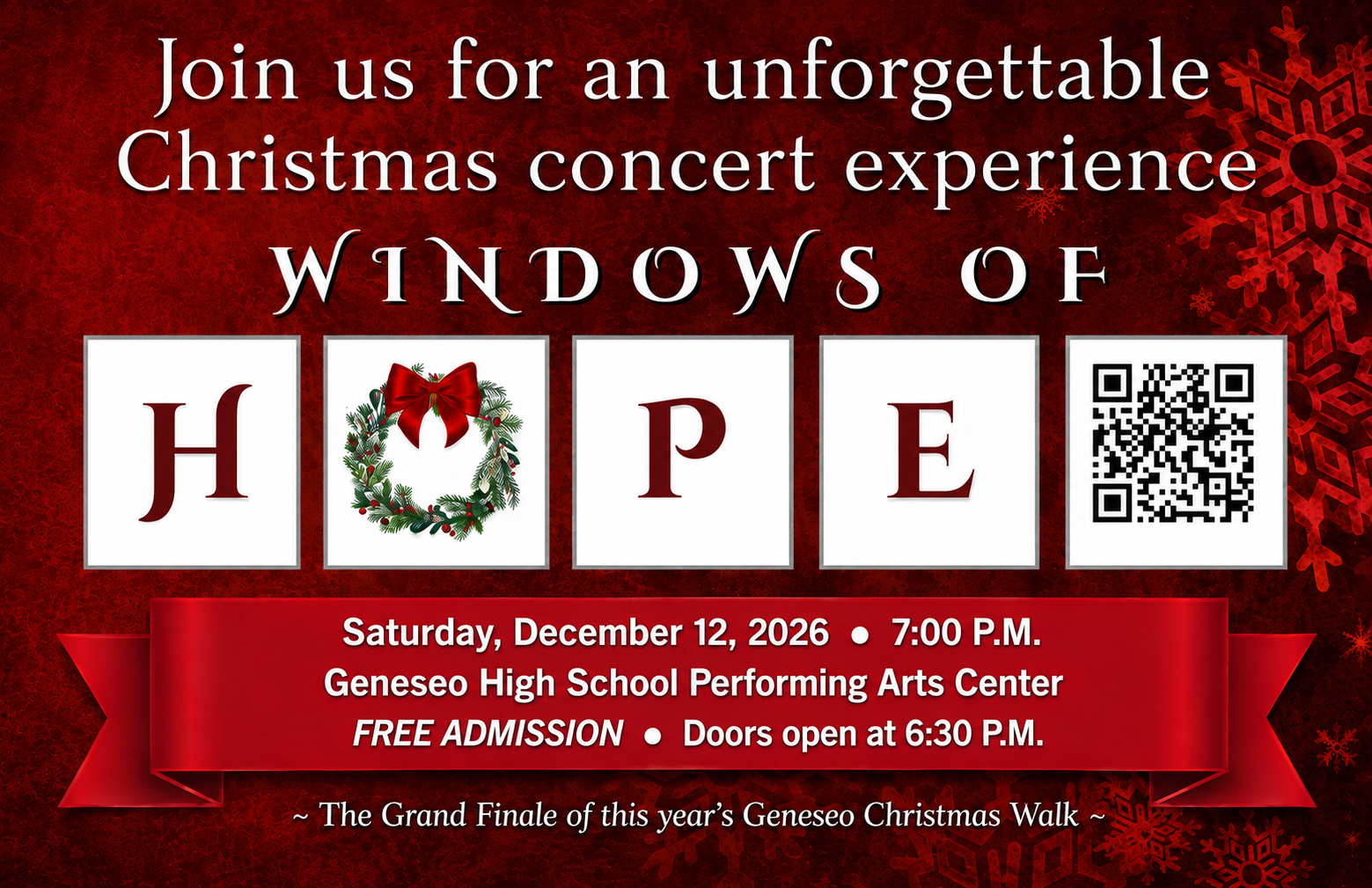
Geneseo City Council members moved several major items forward Tuesday, including the 2027 US 6 improvement project, another attempt to secure funding for the Oakwood pedestrian bridge and continued development of new e-bike and e-scooter regulations.
Read moreState Street Newswire - September 23, 2026
What Will Winter Look Like in Geneseo? Forecasters See El Niño Playing a Major Role
by sarah demaranville
the geneseo current
NOAA says El Niño has a greater than 90% chance of becoming very strong this winter, while long-range forecasts differ on exactly what that will mean for Illinois
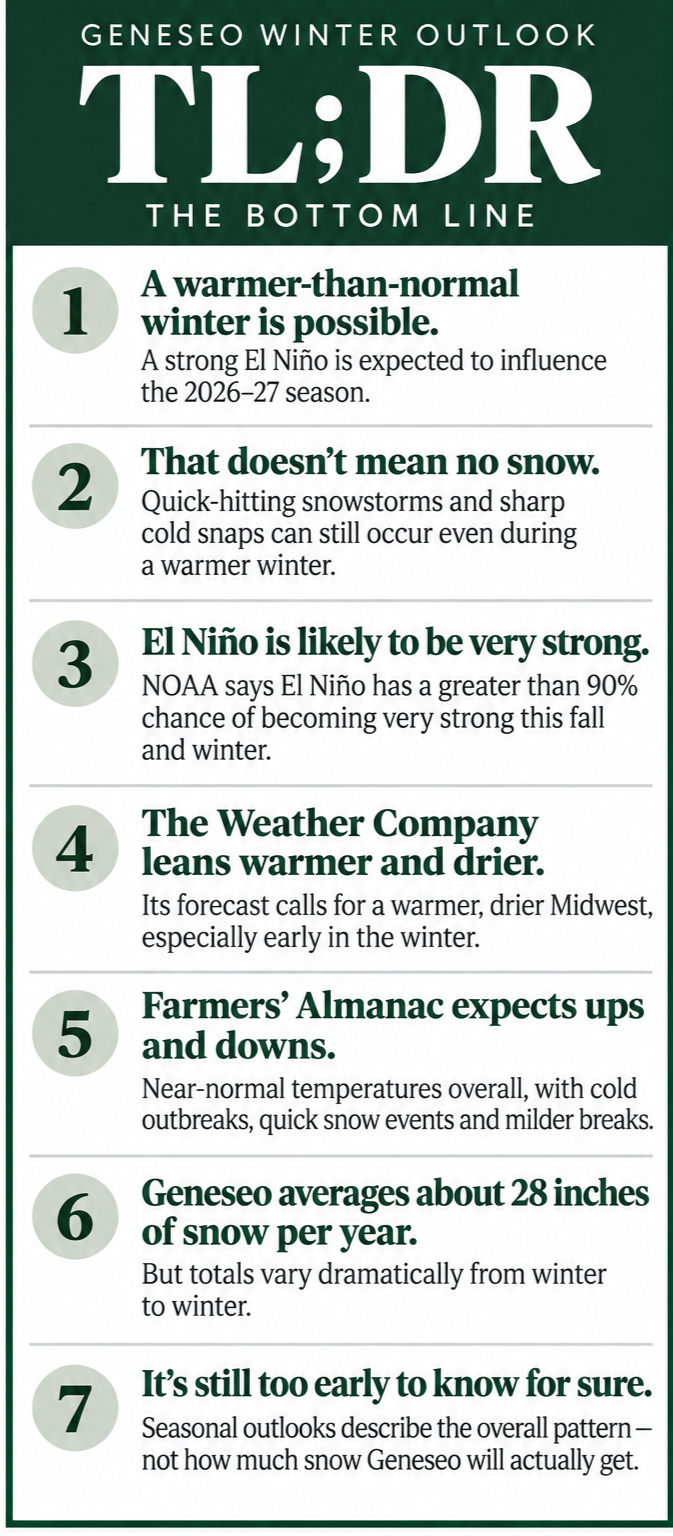
It is still too early to know how many inches of snow Geneseo will see this winter or when the season's biggest storm might arrive, but several long-range winter outlooks are now available — and they share one important feature.
El Niño is expected to have a major influence on the winter of 2026–27.
The National Oceanic and Atmospheric Administration, The Weather Company and the Farmers’ Almanac have all released information about the coming winter. Their forecasts don't agree on every detail for the Midwest, but the developing El Niño provides a common thread.
For western Illinois, the current outlooks generally leave room for snow and sharp cold spells while suggesting that persistent cold and snow throughout the entire winter may be less likely.
NOAA: El Niño could reach historic strength
The most significant development comes from NOAA's Climate Prediction Center.
In its Sept. 10 update, NOAA reported that El Niño is strengthening and has a greater than 90% chance of becoming a very strong event during fall and winter 2026–27.
NOAA goes even further. The agency currently estimates a 75% chance that El Niño reaches a level during October through December that would exceed the strength of previous events in records dating to 1950, based on the Relative Oceanic Niño Index used by the Climate Prediction Center.
That doesn't mean a record-breaking winter is coming to Illinois.
El Niño describes a large-scale warming of waters in the tropical Pacific Ocean. That warming can alter atmospheric circulation and shift weather patterns thousands of miles away.
Historically, strong El Niño winters tend to favor a more active southern storm track while portions of the northern United States experience relatively warmer and drier conditions.
NOAA stresses that those historical tendencies are probabilities, not guarantees. Even an unusually strong El Niño does not determine the weather in a particular community or prevent periods of snow and severe cold.
NOAA's seasonal outlook leans warmer
NOAA's Climate Prediction Center is already publishing its long-range outlooks extending through the winter months.
Unlike a conventional weather forecast, NOAA's seasonal products don't attempt to predict the temperature or snowfall on a particular day months in advance. Instead, they estimate whether temperatures and precipitation over a three-month period are more likely to finish above, below or near their historical averages.
The agency says El Niño is playing an important role in those long-range forecasts. Its August seasonal discussion already favored above-normal temperatures across the Great Lakes during the fall and noted a tilt toward below-normal precipitation there. NOAA's outlooks now extend through December-January-February and beyond.
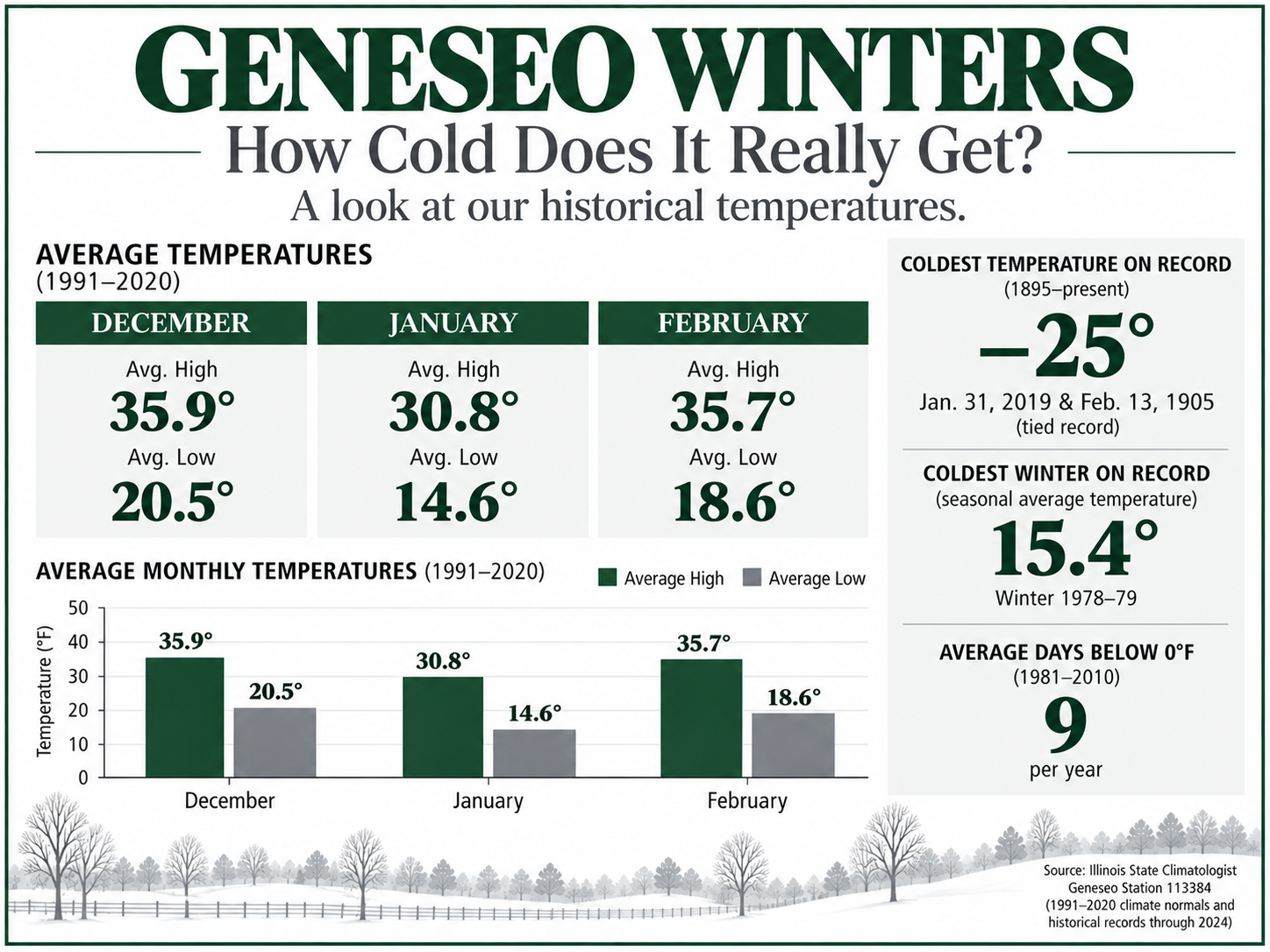
That distinction is important: NOAA is not predicting that Geneseo will have a snowless or warm winter. Seasonal averages can conceal considerable variation, including individual snowstorms and short periods of bitter cold.
The Weather Channel expects a warmer, drier Midwest
The Weather Channel's winter forecast, released Sept. 11, is more specific about how it expects the developing El Niño to affect the Midwest.
Its December-through-February outlook calls for a warmer and drier winter from the Midwest into portions of the northern Rockies and Pacific Northwest.
December stands out.
The Weather Channel expects an unusually warm beginning to winter in the Midwest and Great Lakes, with some of the largest departures from average temperatures occurring in this part of the country.
Above-average temperatures are expected to continue across much of the northern half of the country in January.
By February, the forecast allows colder air to become more established across northern portions of the country. Even then, however, the Midwest and Great Lakes are expected to trend warmer than average.
The reason again comes back largely to El Niño.
A strong El Niño typically strengthens the southern branch of the jet stream, increasing storm activity across the southern United States while leaving portions of the northern United States relatively warmer and drier.
That could limit overall snowfall opportunities in the Midwest, but it certainly doesn't eliminate them.
Farmers’ Almanac sees more ups and downs
The Farmers’ Almanac paints a somewhat different picture for Illinois.
Its 2026–27 forecast places Illinois in its Great Lakes and Midwest region and predicts temperatures averaging near normal overall, rather than the warmer winter forecast by The Weather Channel.
But “near normal” doesn't mean consistently moderate.
The Almanac expects fast-moving clipper systems, sudden cold snaps, snow squalls, blustery winds and brief periods of bitter cold. Those conditions are expected to be interrupted frequently by milder weather.
For places such as Chicago and Indianapolis, the publication specifically anticipates quick-moving systems capable of producing brief accumulating snow rather than prolonged snowstorms.
Geneseo isn't in one of the primary Great Lakes lake-effect snowbelts, so that portion of the Almanac's forecast is less applicable locally.
The Almanac also anticipates frequent cycles of thawing and freezing across the central United States, potentially producing rapidly changing road and field conditions.
The forecasts aren't as contradictory as they first appear
A warmer-than-average winter does not mean there won't be cold weather, and a drier-than-average winter does not mean there won't be significant snowstorms.
That's one reason long-range winter predictions can sound contradictory.
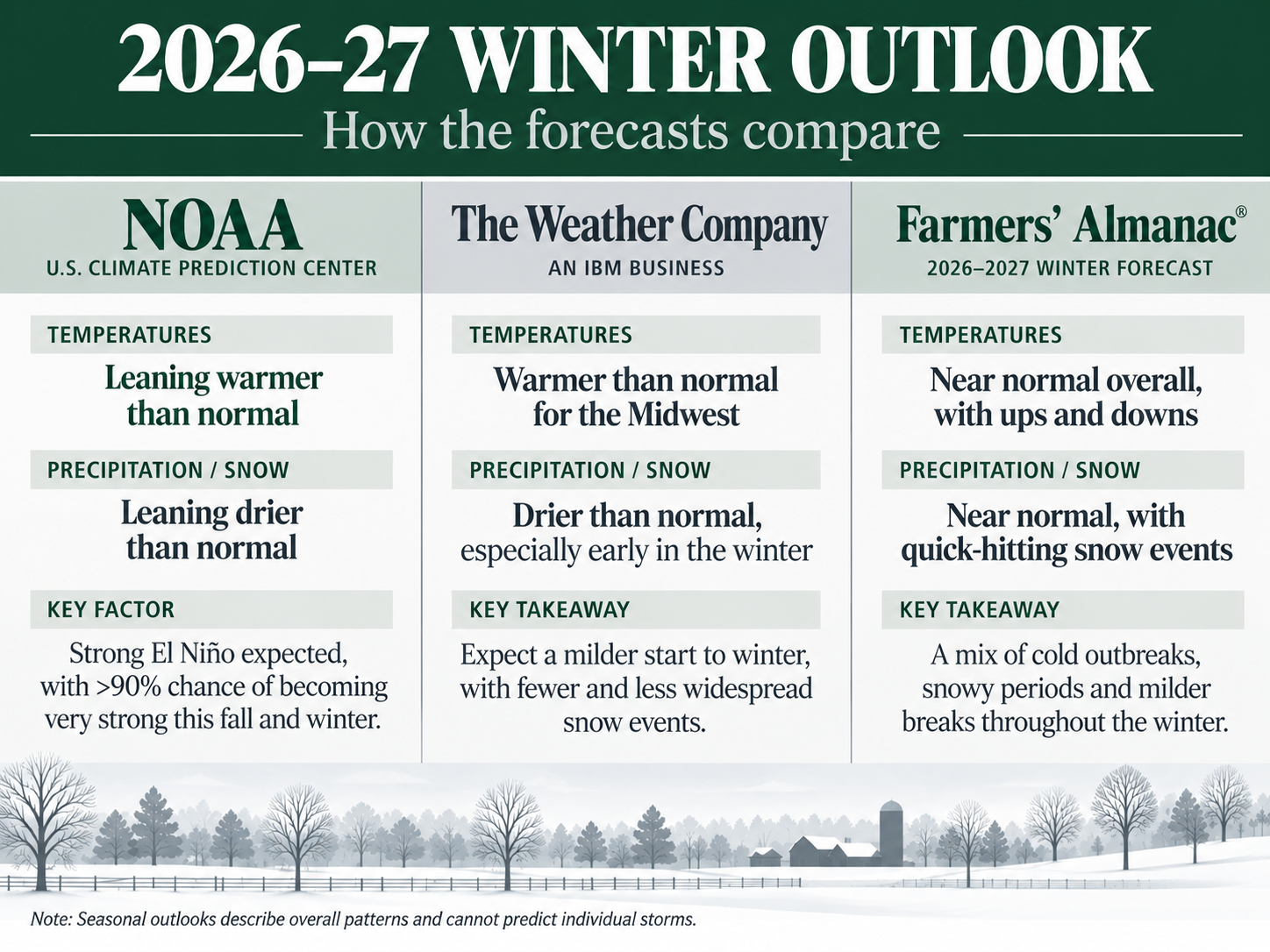
The Weather Channel sees the entire winter averaging warmer and drier across the Midwest.
The Farmers’ Almanac sees temperatures closer to normal overall, with pronounced swings between cold and mild periods.
NOAA provides probabilities rather than a specific narrative for Geneseo, while emphasizing that an exceptionally strong El Niño could increase the likelihood of weather patterns historically associated with the phenomenon.
All three leave plenty of opportunity for individual winter storms.
A week of bitter cold can occur during an otherwise warmer-than-average winter. Likewise, one major snowstorm can produce a substantial portion of a community's seasonal snowfall even during a relatively dry winter.
Why NOAA's forecast is different from the Almanac
There is also an important difference in how these forecasts are produced.
NOAA's Climate Prediction Center uses observations of the atmosphere and oceans, multiple climate models, historical patterns and large-scale climate signals such as El Niño to develop probabilistic seasonal outlooks.
The Farmers’ Almanac uses a proprietary forecasting method that it says incorporates natural cycles, solar activity, lunar influences and historical weather patterns. The publication says those calculations are now supplemented by modern meteorological information, satellite observations, computer modeling and analysis of large-scale atmospheric and ocean patterns. Its complete formula is not publicly disclosed.
The Weather Channel relies on modern meteorological models, climate patterns and professional meteorological analysis for its seasonal outlook.
For that reason, the three products shouldn't necessarily be treated as three equivalent scientific forecasts. NOAA's outlook provides the federal government's official climate forecast, while the Farmers’ Almanac offers its own proprietary long-range prediction.
What does all of this mean for Geneseo?
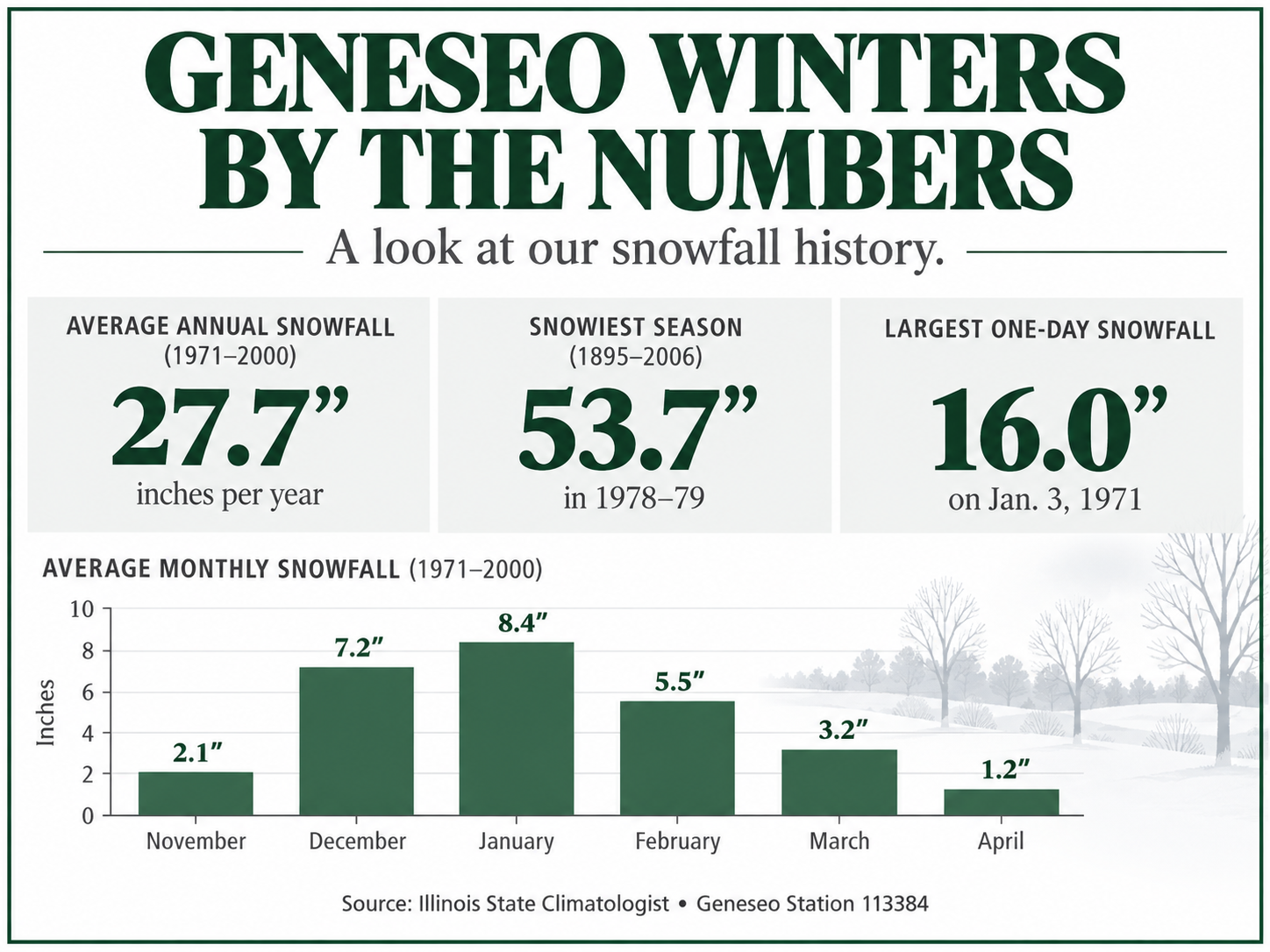
For now, perhaps the most useful conclusion is that there isn't strong evidence pointing toward an exceptionally snowy or relentlessly cold winter in western Illinois.
The Weather Channel leans warmer and drier for the Midwest. The Farmers’ Almanac expects something closer to normal temperatures but with quick snow events, cold outbreaks and frequent warmer breaks.
Meanwhile, NOAA has identified the much larger weather story that could influence both: an El Niño that is already strengthening and has a greater than 90% chance of becoming very strong this fall and winter.
Exactly how that translates to Geneseo won't become clear until much closer to individual weather events.
Seasonal forecasting can provide clues about the background pattern months in advance. It cannot tell residents whether there will be six inches of snow on a Tuesday in January.
So far, though, the signals point more toward a changeable winter — potentially warmer and somewhat drier overall, but still capable of delivering quick snowstorms and sharp blasts of Midwestern cold.
Sources
NOAA Climate Prediction Center seasonal outlooks
The Weather Company 2026–27 winter outlook
Farmers’ Almanac 2026–27 winter forecast
Henry County to Consider New Rules for Battery Energy Storage Systems
County officials will take up revised regulations Wednesday as Illinois begins a major expansion of utility-scale energy storage — but a new state law limits how restrictive local rules can be.
Read moreResidents Back Oakwood Pedestrian Bridge at Monday Meeting
Residents attending a Monday informational meeting expressed support for the proposed pedestrian crossing, as Geneseo prepares another attempt at state funding that could reduce the city's share of the $392,010 project to about $71,000.
Read more